Brands Can Now Send You to Their Own Assistant Inside ChatGPT

OpenAI has started introducing Business Agents in ChatGPT. These are verified AI helpers that speak for a specific brand and can help people with tasks such as comparing products before they buy. The company's newsroom lists the announcement, titled "Introducing Businesses in ChatGPT," as a Product story dated November 10, 2026.
At first, the feature is open only to eligible e-commerce and online service businesses in the United States. The Verge reports that Business Agents are launching as part of a group of business features that OpenAI announced in beta, which means a test version.
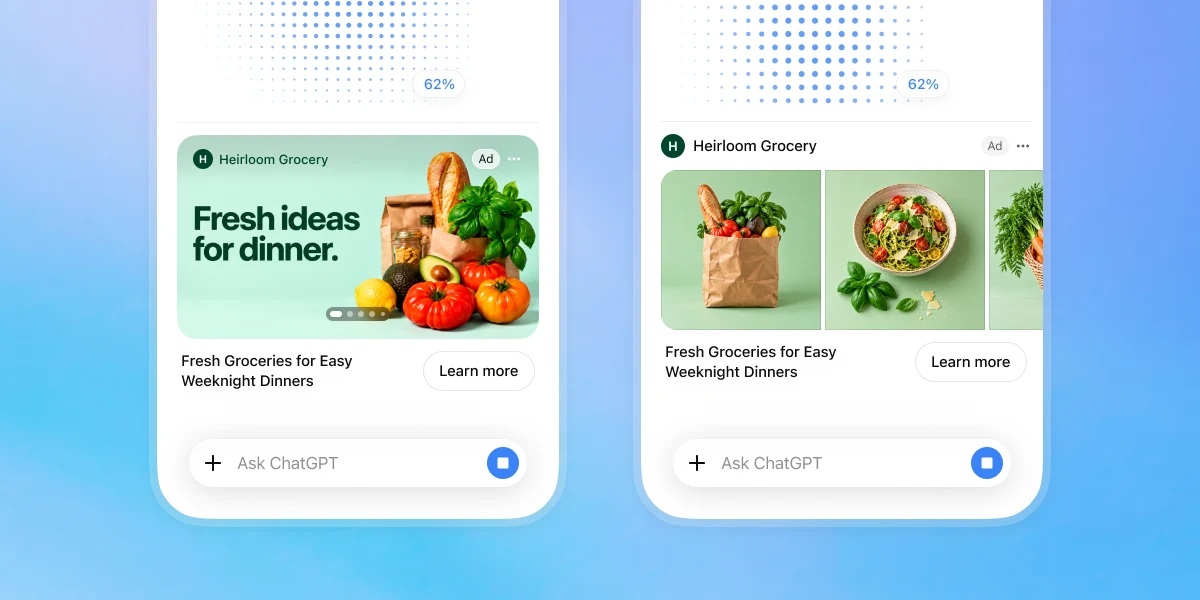
You cannot search for a Business Agent directly. A conversation begins when a business that has set up an agent shows up in a ChatGPT answer. Then you can start talking with that agent.
Chats with Business Agents are clearly labeled and kept apart from the main ChatGPT conversation. It works a bit like a name badge on a store employee. You can tell when you are talking to a brand's representative and not to the general assistant.
Businesses decide how their agent behaves. According to the report, a company can write the agent's instructions and provide business information so the agent knows how to respond. The result is an assistant set up by the brand, working inside a general-purpose chat app. The company sets those instructions, not ChatGPT's default behavior.
Companies can also prove who they are. They claim their organization and get verified through a tool called Business Hub. That is also where they see insights, including how often they are mentioned in ChatGPT answers and the main topics that bring them up. According to the reporting, this kind of measurement has not been offered inside the product in this form before.
In my view, the design choices matter more than the feature list. The labels and the separation between agent chats and the main conversation are where a company's voice meets someone who may have asked a neutral question. How clearly that line is drawn will shape whether people see these chats as recommendations, sales pitches, or customer service. Business Hub matters too, because it ties each agent to an accountable organization. That link will carry the most weight as the program grows beyond its first US businesses.
The broader context here is a change in how shoppers find brands. For years, discovery meant search results and marketplace listings. Business Agents move part of that into a conversation. The question is less about which web page ranks highest and more about whether the assistant mentions a business at all, and what that business's agent says once you start chatting. For retailers and online services, Business Hub is an early sign of how that visibility will be tracked.
For users, the simplest benefit is convenience. Someone comparing options can ask a brand's agent questions in the same chat, without opening several websites. Whether that convenience comes with the openness people need depends on how consistently the labels appear and how strictly verification is applied as the program grows. The feature is still in beta, and it is not yet clear how the rollout will extend beyond the first US group.