Uber Gives Its 30,000 Employees an AI Helper
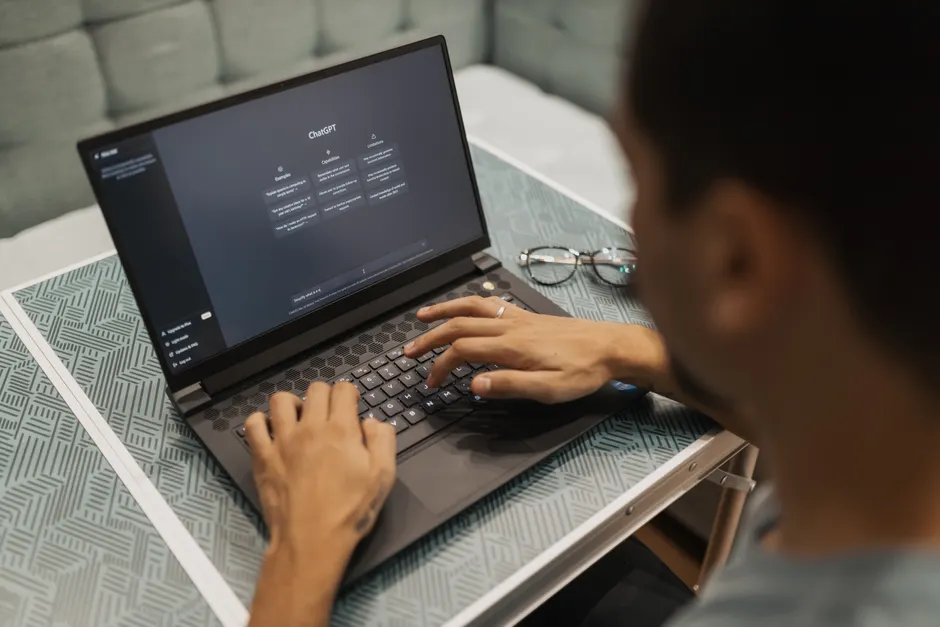
Uber is giving ChatGPT Work to all of its roughly 30,000 employees around the world. Uber and OpenAI announced the move on October 22, 2026, and described it as an expansion of their existing partnership. TechCrunch reported the rollout the same day.
ChatGPT Work is an AI agent built for business teams. An AI agent is software that can carry out several steps of a task on its own, instead of only answering questions. Think of it as a helper who can open files, follow a checklist, and report back when the job is done.
Uber first tested the tool with 1,000 employees earlier in 2026. That group included people from finance, operations, and product teams.
About 80% of the early users were not engineers. That matters because most of these workers spend their days in spreadsheets, internal tools, planning documents, and requests from other teams, not in computer code.
To speed things up, Uber assigned 30 AI engineers to work alongside teams across the company for two weeks. Together, they automated key parts of those teams' jobs.
OpenAI published its own post on October 22, 2026, titled "Uber brings ChatGPT Work to all employees with OpenAI." It appears on OpenAI's news page among the company's announcements.
In my view, the staffing model is the most useful detail in this story. Sitting engineers beside business teams for two weeks treats AI adoption as a question of changing how work gets done, not simply handing out logins. Companies that have watched software rollouts stall after everyone signs in once will recognize the difference.
The broader context here is the groundwork a deployment this size needs. An agent that works across finance, operations, and product touches permissions, data access, and audit trails in ways a chatbot used for writing emails does not. Any organization considering a similar step will need answers to a few questions: how the agent's actions are recorded, which systems it can reach, and who checks its work before it affects a decision. Those questions apply no matter which vendor is chosen.
Looking ahead, the upside is that the people closest to repetitive work now help decide how it gets automated. If the pilot's gains hold across a workforce this large, the change may show up less in big productivity headlines and more in hours returned to tasks that non-engineering teams have long done by hand. That depends on how the rollout is carried out, and the coming months will show how far the pilot results reach.