The EU Is Forcing Google and Apple to Let Rival AI Assistants Onto Your Phone
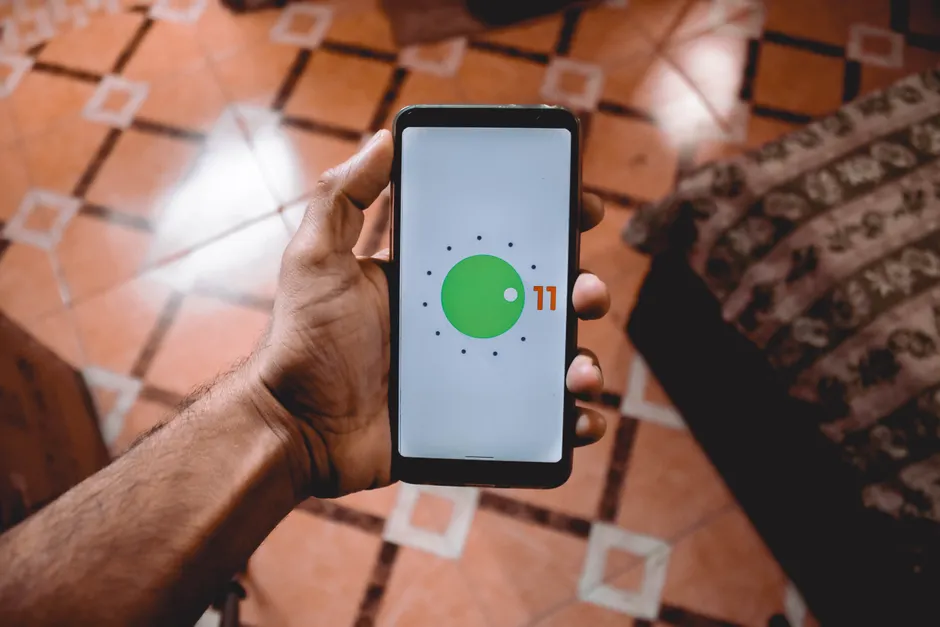
The European Commission has ordered Google to give competing AI assistants the same system features and data access on Android phones that it gives its own assistant, Gemini. Google has until July 2027 to comply The Verge. Gemini is already built deeply into Android and comes preinstalled as the default AI assistant on many devices The Verge.
The Commission issued the same kind of order to Apple, telling the company that third-party assistants must get the same access to key systems, features, and data as Apple's own assistant, Siri AI. This is required under a European law called the Digital Markets Act, or DMA, which forces large tech companies to open up their platforms to competitors The Verge. Apple announced that Siri AI would not launch in Europe, pointing to the DMA as the reason The Verge. Apple asked for 18 months to build a version of Siri AI that would gradually give rival assistants access over time. The Commission rejected that proposal The Verge. As of The Verge's July 16 report, Apple had no public timeline for when or whether it plans to bring Siri AI to the EU The Verge.
The two companies have taken very different approaches. The Verge described Google's strategy as "shipping first and negotiating with regulators later," in contrast to Apple's The Verge. Google has publicly argued that opening up its systems under the DMA could put users' safety, security, and privacy at risk The Verge. Apple made a similar argument, saying that giving third-party assistants the access the DMA requires "would be irresponsible" and would create unacceptable privacy and security risks The Verge.
These orders come amid a heavy wave of European regulation. The European Commission published its first formal review of the DMA on 28 April 2026. In April 2026, the European Parliament called for stronger enforcement of the DMA amid pushback from outside groups. Google said in a November 2025 blog post that since 2019, there have been over 100 EU regulations targeting the digital economy. In a March 2025 post, Google acknowledged that the DMA is designed to regulate large platforms like Google, Apple, and Meta, and boost competition, while arguing that the EU's competition rules are hurting consumers and businesses.
The Commission has also been investigating whether Google's parent company, Alphabet, is complying with the DMA in other areas. It opened investigations into Alphabet's Google Play rules in March 2024 and sent two sets of preliminary findings to Alphabet for failing to comply with the DMA regarding two services. The six companies designated as "gatekeepers" under the DMA on 6 September 2023 were required to submit updated compliance reports by 7 March 2025.
The enforcement pressure is compounded by a major courtroom loss for Google. On 2 July 2026, the European Court of Justice dismissed Google's appeal against a €4.1 billion EU antitrust fine related to its Android mobile operating system, backing findings that Google's Android practices shut out competitors Reuters. The fine, originally €4.34 billion, was reduced by an earlier 2022 EU court ruling. The legal battle lasted eight years from the initial fine to the final appeal ruling. Google has been found guilty of antitrust violations in three separate EU cases and fined over €8 billion in total.
The broader context here is that European regulators are building and enforcing rules in real time during the fastest-moving technology shift the industry has seen in a decade. The DMA was written before AI assistants became a primary way people interact with their phones. Now the Commission is pushing the same kind of openness rules that previously applied to web browsers and app stores into the deepest parts of the operating system, where an AI assistant's usefulness depends on having special access to system data and capabilities. The July 2027 deadline gives Google a year to design access controls that satisfy regulators without making Gemini slower or less capable. For rival assistants, the order is a prerequisite for meaningful competition, not a guarantee of it. Getting system-level access removes a barrier, but it does not automatically make a competing product good.
In this author's view, the gap between Google and Apple is less about principle and more about business strategy. Google's "ship first" approach keeps Gemini in front of European users during the years-long regulatory process, accepting the risk of future fines as the cost of staying in the market. Apple's decision to hold Siri AI back from Europe gives up that market entirely, rather than build the kind of open access system it does not want to offer anywhere. Both bets are defensible, but they carry different risks. Google stays in the EU market and keeps collecting usage data even if it eventually has to open access, while Apple's absence hands the European AI assistant space to competitors with no guarantee Apple can get back in. The Commission's rejection of Apple's 18-month timeline signals that regulators are not willing to let companies set the pace of their own compliance, which puts pressure on both companies even as they move in opposite directions.


