Google Adds Mind-Reading Features to Android—and the EU Takes Notice

Google Adds Mind-Reading Features to Android—and the EU Takes Notice
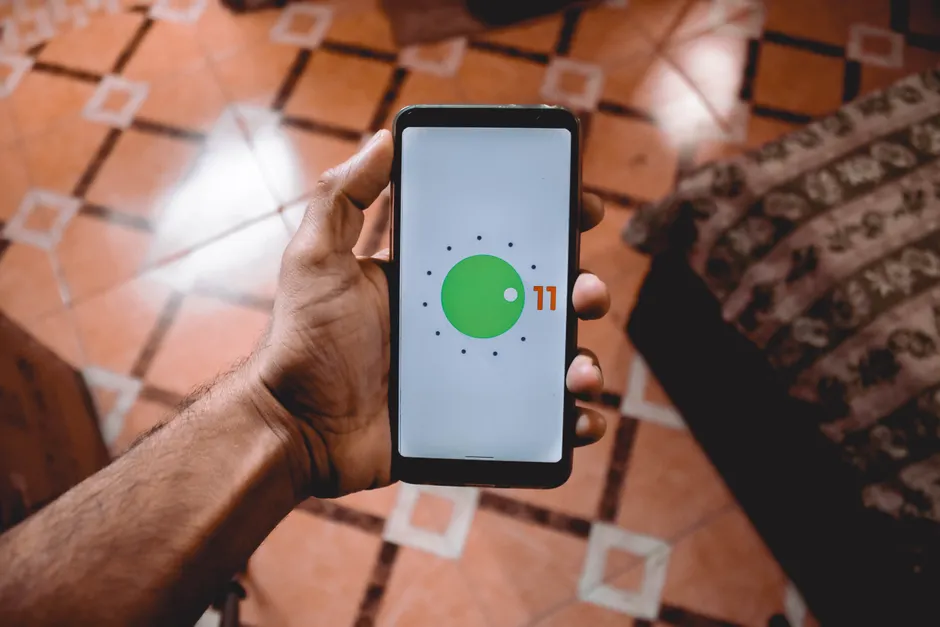
Google has announced new features for Android phones that use artificial intelligence to predict what you want to do next. The company is building these features across phones, cars, and development tools. At the same time, European regulators are questioning whether Google has too much control over which AI services can work on Android devices.
How Android Will Predict Your Next Move
Android 17, the next version of Google's phone system, will include a feature called Contextual Suggestions. Think of it as an assistant that learns your patterns and prepares the right app or content before you ask for it.
Here's what that means in practice. When your phone's GPS detects you're heading toward your car, it automatically opens your music app and queues up your favorite playlist. At the gym, the system loads your workout music. At home, it can send a video to your TV at the time you usually watch. According to Bloomberg, Android 17 will also have improved emoji suggestions and redesigned features for people who post frequently to Instagram.
These predictions come from two places: information on your phone itself and from Google's servers. The system looks at your past behavior—where you go, what you do there, what you like—and uses that pattern to guess what you'll want next.
This is a shift in how phones have worked for the past 15 years. Instead of you opening apps when you want them, the phone tries to open them for you. Google calls this moving from reactive to proactive computing—from waiting for you to act, to predicting what you'll do.
Android in Your Car
Google is also adding its Gemini AI assistant—think of it as Google's answer to Siri—directly into cars that have Google built-in. The feature is designed to help drivers get information without taking their eyes off the road. For example, you could ask Gemini to call someone, find a restaurant, or check traffic without touching the phone.
Google Translate is getting a similar boost. The app now uses Gemini to offer better translations that account for meaning, not just word-for-word conversion. If you're traveling and a phrase means something different depending on context—like a joke or a local reference—the new tool tries to capture that. This is available now in the United States and India on phones and tablets, with a web version coming later.
Tools for App Makers
Google announced new AI tools for software developers. Android Studio, the main tool that programmers use to build Android apps, has new features that help with repetitive coding tasks and suggest how to organize code. Developers who pay for these services also get legal protection—if someone sues them about the AI's output, Google will defend them, the same way the company backs up its cloud customers.
Google also announced a new type of laptop called Googlebook, made specifically for running Gemini AI. Details are sparse, but the idea is to create hardware optimized for AI work.
Google Play, the app store, rolled out new pages to help developers test, release, and monitor their apps—particularly important now that apps are using AI features that need testing in many different situations.
When Features Get Deployed Faster
Looking at how Google has introduced new features over the decades, there is a clear pattern: the company launches tools for developers first, then features for regular users follow once the system matures. This time, though, the pace is much faster. In the past, it took 18 to 24 months for new Android features to reach most phones. AI features are being deployed in just a few months.
Europe's Watchdog Wants a Say
The European Commission—the executive branch of the European Union—is questioning whether Google's approach is fair. Specifically, the regulators want competing AI services to work with Android apps the same way Google's Gemini does. Right now, Gemini is woven into Android at the deepest levels, giving it an advantage that other AI assistants don't have.
This touches on a bigger concern in Europe about whether big tech companies use control of their platforms to block competitors. As AI becomes more important to how phones work, regulators worry that Google could use Android to lock out other AI services.
What This Means Going Forward
The bigger picture here is that Google is betting on a new way to use phones. Instead of you deciding what app to open, the phone figures it out based on where you are, what you usually do, and what time it is. This is different from how phones have worked since the iPhone came out—as collections of separate apps that you decide to open.
Whether Google can do this while keeping regulators happy is an open question. Europe's rules focus on making sure competing services can access the same system-level connections that Google's services get. The challenge is that Google's AI advantage depends partly on having deep access to Android's core functions and on collecting data about what you do—the same things that regulators want to limit.
For people building apps and running businesses, these changes signal something important: companies will increasingly need to assume AI capability as a basic part of their products, not as an add-on. The real competitive advantage will come from how well they can use AI to understand what customers want and deliver it before they ask.