San Francisco's Mayor Wants New Rules for Self-Driving Taxis After They Got Stuck and Tied Up Traffic
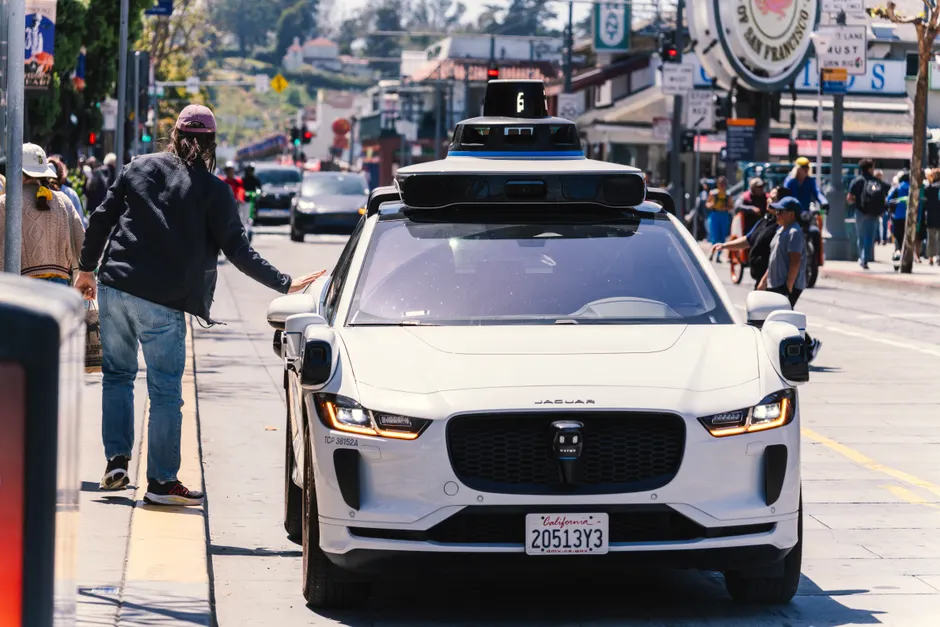
San Francisco Mayor Daniel Lurie has asked a state transportation agency to create new rules for self-driving taxis, after two incidents in which Waymo robotaxis became stuck on city streets and caused major traffic jams. The San Francisco Chronicle first reported the letter, with TechCrunch confirming details on July 16, 2026 TechCrunch.
Lurie's letter pointed to two specific events. The first was a widespread power outage in December 2025 that left Waymo vehicles stuck on city streets. The second happened during the July 4 Golden Gate Bridge fireworks show, which drew about 100,000 spectators and created gridlock made worse by stranded robotaxis TechCrunch. The Chronicle reported on the transit problems the next day, noting that the state transportation agency did not respond to requests for comment on July 5 SF Chronicle.
Waymo currently runs about 1,000 self-driving taxis across the Bay Area as of July 2026 TechCrunch. At that size, even a small share of vehicles running into a problem they cannot handle during a busy event means dozens of cars blocking active lanes.
Lurie proposed four specific requirements for self-driving taxi companies. First, companies should have to immediately move or tow their vehicles out of active lanes when they get stuck. Second, companies should be able to change routes and pick-up and drop-off spots on the fly in response to changing conditions. Third, companies should share live operational data with local agencies, including where vehicles are stuck and what is being done to fix the problem. Fourth, companies should have to prove through testing that they can handle big crowds and traffic surges before being allowed to operate at a large scale TechCrunch.
The letter was sent to the California Department of Transportation, known as Caltrans, rather than to the California Public Utilities Commission, or CPUC. That distinction matters. California currently regulates self-driving vehicles through two separate permit processes: one run by the Department of Motor Vehicles, which covers testing and deployment, and another run by the CPUC, which covers commercial passenger service. Lurie is asking a state transportation agency to set operating standards that have so far been handled mainly through the DMV and CPUC permit systems TechCrunch.
The real-time data-sharing proposal is the most significant of the four. It would create a live feed of information from self-driving taxi companies to local traffic and emergency agencies, something that does not currently exist in any formal way. Local agencies would be able to see where vehicles are, where service is disrupted, and what recovery efforts are underway as problems happen, not after the fact.
The real-time adaptation requirement would require operators to change routes and service areas on the spot during large events and emergencies. The July 4 fireworks show is the example: a sudden flood of 100,000 people into a small area, combined with road closures, created conditions that apparently exceeded what the vehicles were built to handle. Lurie's proposal would require companies to prove through testing that their systems can manage such surges before being allowed to operate in them.
The broader governance question the letter raises is worth noting. By writing to Caltrans instead of the CPUC or DMV, Lurie is turning to a state agency that sits outside the existing self-driving vehicle permit system. Whether Caltrans actually has the legal authority to create the kind of statewide rules Lurie is asking for is an open question. The agency had not responded to Chronicle inquiries about the July 4 transit problems as of July 5 SF Chronicle, and no detailed plan has been given for how any of the four proposed requirements would be put into effect.
San Francisco has been the main testing ground for self-driving taxi services in the United States, and the city's relationship with these companies has gone through phases of tension and adjustment. A fleet of roughly 1,000 self-driving taxis across the Bay Area is large enough that unexpected situations are no longer rare. The December power outage and the July 4 fireworks are different kinds of disruption, one caused by infrastructure failure and one caused by a surge in demand, but they lead to the same problem: vehicles that cannot move and cannot be moved quickly enough to keep lanes clear.
If implemented, Lurie's proposals would create a closer connection between self-driving taxi operations and the city's traffic management systems. The data-sharing requirement alone would give San Francisco agencies something they have not had during past incidents: a real-time view of where vehicle failures are happening and what is being done about them. The testing requirement would shift responsibility onto the companies to prove they can handle large crowds before deployment, rather than after a public failure.
The letter is a proposal, not a law. None of the four requirements currently carry legal force, and the path from a mayor's letter to an enforceable rule would go through Caltrans, the DMV, the CPUC, or some combination of all three. What it signals is that a city dealing with the daily impact of a large self-driving taxi fleet is now asking for structural changes to how that fleet is governed.