How California Is Writing New Rules for Driverless Taxis

How California Is Writing New Rules for Driverless Taxis
California's Department of Motor Vehicles released a new 100-page rulebook in May 2026 that sets out how driverless cars should operate on public roads. The rules create a way for police to hold the companies that own these vehicles accountable when they break traffic laws.
The rules took effect on May 1, and the main enforcement pieces kicked in on July 1. At their core is a new system that lets law enforcement issue official notices of rule-breaking directly to the robotaxi companies themselves, rather than trying to ticket a car or its passengers.
How Police Will Ticket Driverless Cars
When a driverless car breaks a traffic law — say, running a red light or parking illegally — police can now issue a citation to the company that operates it. The company then has to report the violation to the state within 72 hours, or 24 hours if the incident involved a crash or injury.
The rules do not include monetary fines. Instead, they focus on documentation and keeping records. This matters because in real operations, companies like Waymo accumulated over $65,000 in parking tickets in San Francisco during 2024 alone. Without a clear framework, it was unclear who was even responsible for paying them.
The authority to do this comes from a state law called Assembly Bill 1777, which gave California the legal foundation to hold car companies accountable for traffic violations their vehicles commit.
Rules for Operating Driverless Cars
The new rules require that driverless car operators stay in constant contact with their vehicles. They must answer calls from police or other emergency responders within 30 seconds. This allows first responders to send emergency signals that tell the car to stay out of a particular area if there is a crash, fire, or other incident.
Car companies also have to update their emergency response plans every year, so that police and fire departments know how to work with them. The rules also set out training and licensing standards for the humans who monitor these cars remotely.
These requirements came from lessons learned during early testing. Police and robot taxi operators sometimes had trouble coordinating when something went wrong, so the rules now formalize how that should work.
Testing Heavier Vehicles
The new rules expand what kinds of driverless vehicles can test on California roads. Until now, only vehicles under 10,001 pounds could test. The new rules allow heavier autonomous trucks to operate on highways, though under strict conditions. This opens the door to driverless trucks eventually delivering freight without a human driver in the cab.
What Happened to the Old Reporting Rules
California used to require companies to report every time a human operator had to take over control from the autonomous system. These reports gave the public a window into how well the technology actually worked and where it still needed improvement. The new rules eliminated this requirement.
At the same time, the government introduced the new violation-tracking system. This shift suggests that regulators now see driverless cars as mature commercial services that should follow the same rules as regular vehicles, rather than experimental technologies that need special monitoring.
Looking at how technology regulation has evolved over the past 30 years, this pattern is familiar. When the internet was new, rules were light and hands-off; as it became central to business, compliance requirements grew. The same happened with mobile phones and privacy, and with cloud computing and data security. Autonomous vehicles appear to be following the same arc: from experimental permission to commercial accountability.
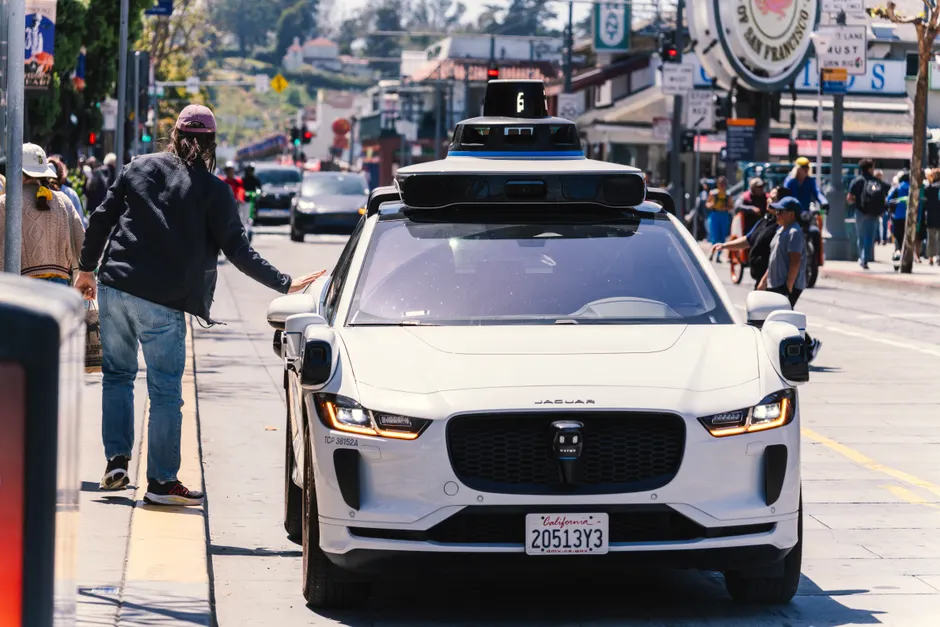
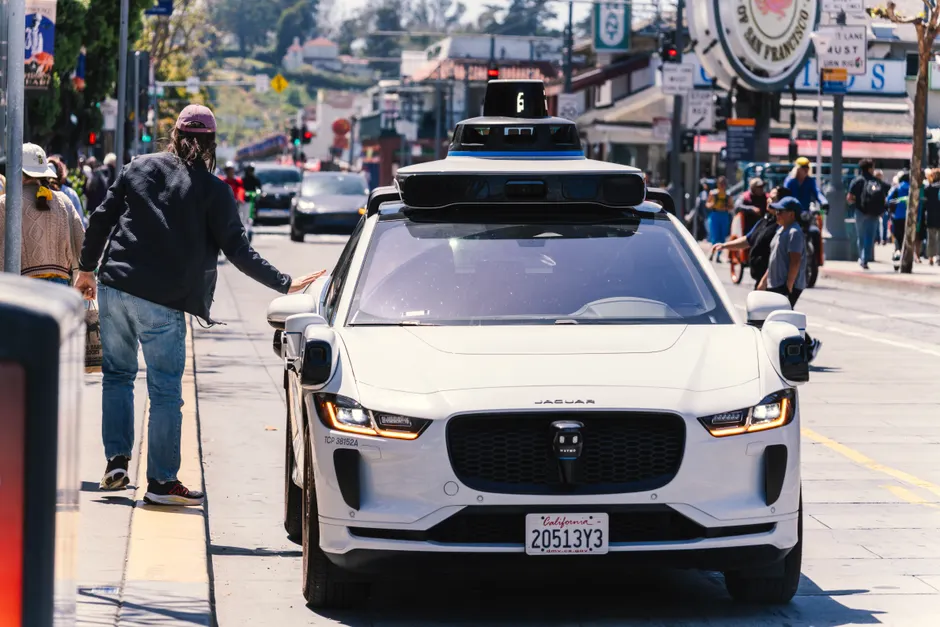
The change makes practical sense. Waymo is already operating driverless taxis across the San Francisco Bay Area and in dozens of cities in Los Angeles County. As these fleets grow, it became clear that police and regulators needed tools to address traffic violations. The new citation system provides that tool.
Other Laws Taking Shape
California is also working on other rules for driverless vehicles. One proposal would require a certain number of human operators for every remote-controlled autonomous vehicle. Another expands law enforcement's power to impound vehicles that block highways or take part in illegal street racing, whether driverless or driven by humans.
Starting January 1, 2027, California will let vehicles use special electronic license plates that include location tracking. This could make it easier to identify and monitor driverless cars on the road.
Because California's tech industry is so large, rules the state adopts often become standards across the country. Car companies design systems to meet California's rules, and other states often follow California's lead. The new framework for holding driverless car companies accountable through citations is likely to influence how other states approach the same problem.
The pragmatic approach of setting up citation systems while avoiding heavy financial penalties reflects a balanced bet: the state wants to hold companies accountable while still encouraging the continued development and testing of this technology.