Hackers Hit Coca-Cola's Milk Company, and Production Stopped

Coca-Cola has stopped all US production at fairlife, its ultra-filtered milk brand, after hackers broke into the company's computer systems using a type of malicious software called ransomware. Ransomware works by locking up a victim's computer files so they cannot be used, then demanding payment to unlock them. Coca-Cola disclosed the incident in a government filing dated July 16, 2026 Engadget.
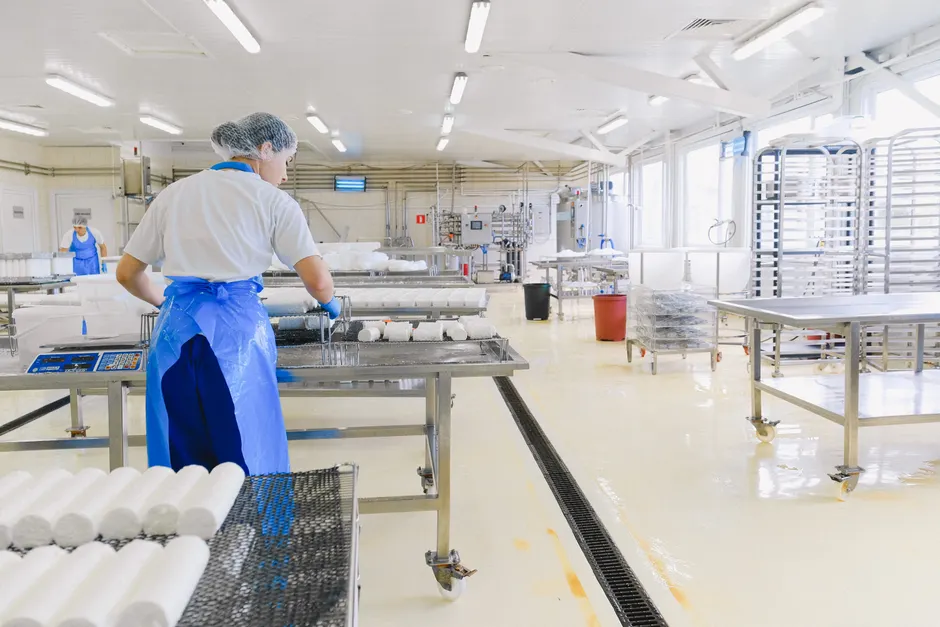
The hackers accessed systems connected to fairlife's manufacturing, so Coca-Cola shut down its US production as a safety measure. fairlife's Canadian facilities kept running Engadget.
Coca-Cola has hired outside cybersecurity experts to investigate and has notified law enforcement. The company said in its filing that "the full scope, nature and impacts of the incident are not yet known" and that it has not yet determined whether the incident will significantly affect the company financially Engadget.
The company also stated that product quality and safety were not affected by the breach. It has not revealed what type of ransomware was used, who the attackers are, or whether any data was stolen Engadget.
The breach drew quick coverage from cybersecurity and mainstream news outlets. BleepingComputer and TechCrunch reported on July 16, 2026, with Engadget, Help Net Security, and Bloomberg News providing additional detail on July 17 BleepingComputer; TechCrunch; Bloomberg; Help Net Security.
fairlife posted $4 billion in sales in 2024, making it a significant part of Coca-Cola's business Engadget. Its ultra-filtered milk products have become a major player in the premium dairy aisle, which means this production stop could affect US grocery and retail supply chains, though the extent is not yet clear.
This incident stands out because the hackers hit systems that directly control manufacturing, not just office computers. When ransomware shuts down a factory that makes perishable products like milk, the consequences are immediate: production lines stop, products can spoil, and stores may not get their usual shipments. Think of it like a power outage at a grocery store. The food in the refrigerators has a limited time before it goes bad, so getting things running again quickly matters far more than recovering files from an office computer.
The broader context here involves the rules that companies must follow when they get hacked. Since late 2023, the SEC has required public companies to report major cybersecurity incidents within four business days. That rule pushes companies to disclose quickly, even when they do not yet know the full picture. Coca-Cola's filing follows that pattern: it was filed on time, but the company admitted it cannot yet determine how serious the impact will be, which is typical for early-stage investigations.
The fact that fairlife's Canadian operations kept running while US facilities are down is also worth noting. It suggests the hackers either did not reach the Canadian side of the network, or Coca-Cola was able to cut off the US systems before the attack spread further. Companies often divide their networks into separate sections so a breach in one area does not necessarily reach others, and this situation may be an example of that working.
One detail still missing is whether the attackers stole data before locking up the systems. Ransomware operators often copy sensitive information first and then threaten to release it publicly as extra pressure to pay. Whether that happened here is not yet known, and Coca-Cola's assurance that product safety was unaffected does not address the question of data theft.
For anyone working in food production or consumer goods, the fairlife incident is a reminder that ransomware in this industry carries costs that pile up fast when perishable products are involved. The rules for quick disclosure mean companies need plans to both fix the technical problem and communicate with regulators within days, not weeks. The investigation is ongoing, and more details about the scope, any data impact, and the attackers involved may surface as the work continues.