Democrats Open Inquiry Into Nvidia's China Chip Sales Under Trump

Democrats Open Inquiry Into Nvidia's China Chip Sales Under Trump
Two Democratic lawmakers have opened an inquiry into how the Trump administration handled Nvidia's sales of advanced AI chips to China. The action was reported on November 12, 2026.
Rep. Richard Neal of Massachusetts and Sen. Ron Wyden of Oregon are the lead Democrats on the tax-writing committees in their chambers. Neal sits on the House Ways and Means Committee, and Wyden holds the same role on the Senate Finance Committee. Their step took the form of a letter to Commerce Secretary Howard Lutnick.
TechCrunch reported the letter's contents.
The letter asks the Commerce Department to keep records about the Nvidia arrangement. It is a request to preserve documents, not a finding of wrongdoing. The allegations in it come from the two lawmakers.
The H200 chip
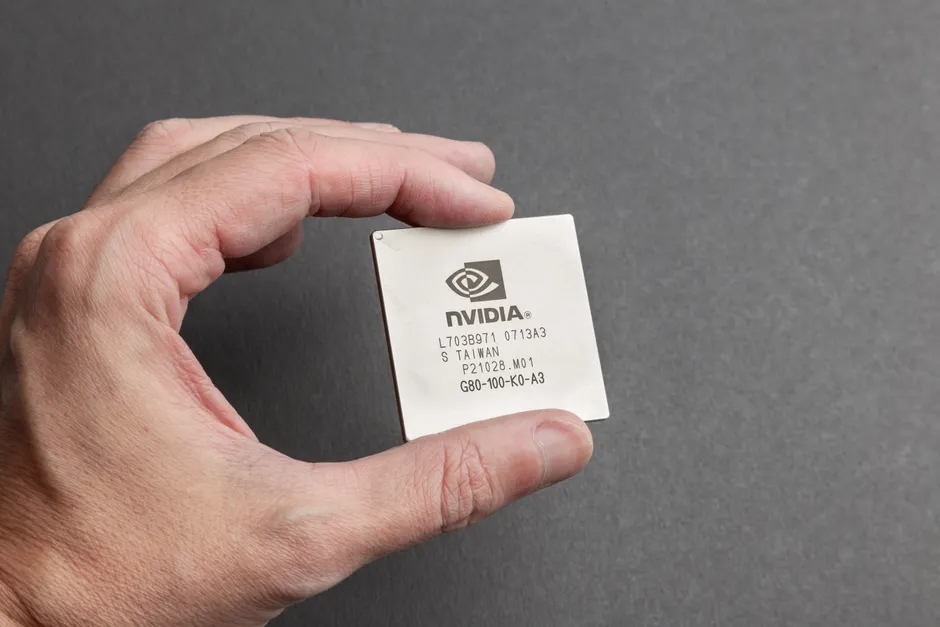
The central allegation concerns Nvidia's H200, an AI chip made in Taiwan. According to the letter, Trump agreed to allow H200 sales to China on one condition: the chips had to be shipped to the United States first.
The letter also says Trump added a tariff, which is a tax on goods entering a country, to the chips when they arrived. The authors say this effectively took a cut of Nvidia's China sales. Think of it as a toll charged at the border. They describe it as appearing to be an export tax, a charge on goods leaving the country, which they say the Constitution does not allow.
The letter then states that the Commerce Department under Lutnick issued an export license for the chips. An export license is the government permission a company needs before it ships certain products abroad.
The customers
TechCrunch reports that Alice Huang was an executive of Megaspeed, a Singapore-based Nvidia customer. U.S. officials suspect Megaspeed of helping route advanced Nvidia chips into China.
The letter asks why Lutnick kept allowing Megaspeed to buy chips after he was reportedly told by U.S. intelligence about suspicions concerning Alice Huang. It also mentions Jensen Huang's relationship with her. The letter further asks why the Commerce Department reportedly approved other Asian companies to buy Nvidia chips, even though those companies have no physical presence at their listed addresses.
Money and access
The letter notes that Nvidia donated $26 million toward Trump's projects, including the ballroom. It states that the export deal was approved after Trump learned of Jensen Huang's compromised position.
These are the letter's characterizations. No hearing or court has tested them.
An earlier deal
In August 2025, Nvidia and AMD agreed to share 15% of their revenue from chip sales to China with the U.S. government. The deal was part of an effort to secure export licenses. TechCrunch reported that figure.
That places the revenue share alongside the tariff the letter describes. The letter treats the two as separate instruments. Whether they really are separate is a question the inquiry would need to answer.
Jensen Huang has also agreed to testify before a different set of Republican-led congressional committees. The Democratic letter and that testimony are separate proceedings.
Why it matters beyond Nvidia
In my view, the question that matters most to the industry is less about one company's license history than about process. Export controls depend on the Commerce Department making license decisions that are predictable and grounded in law. If a revenue share, an arrival tariff, and a license grant are linked the way the letter describes, the precedent could affect every chip maker selling into restricted markets. Buyers would have a direct interest in knowing which terms apply to their own purchases, whether they are large cloud companies or governments building their own AI computing.
The broader context here is a familiar one. Rules written for one generation of chips often get applied to the next, and the gaps that follow invite this kind of scrutiny. The records the letter requests, and whether Congress and the Commerce Department produce them, will help decide whether this becomes a procedural dispute or a debate about how the U.S. governs the export of advanced computing. A clear answer on how these licenses work would give companies and buyers firmer ground to plan on.