Why Are U.S. Computer Chips Ending Up in China?
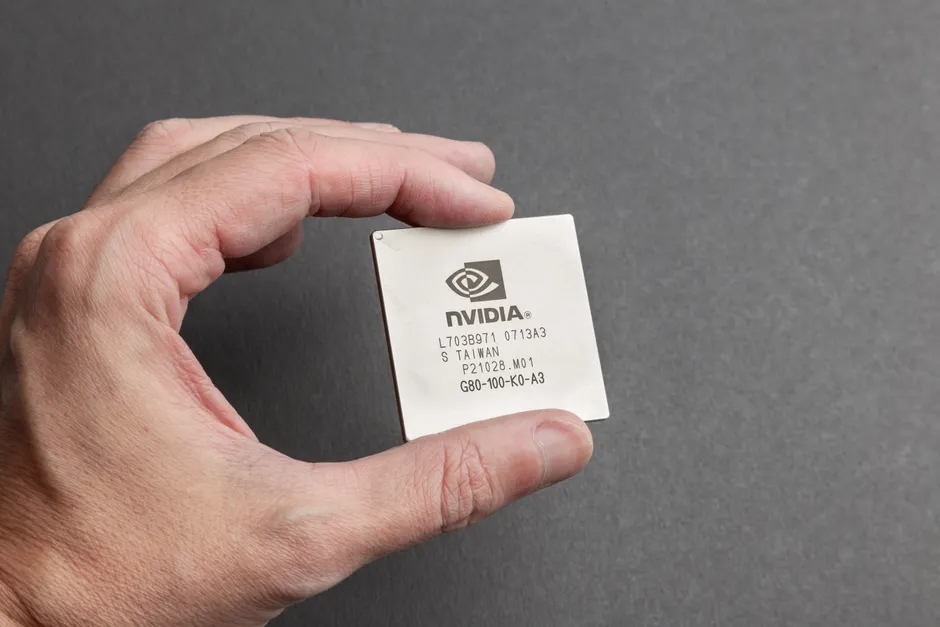
U.S. officials say Nvidia is not doing enough to stop its powerful AI chips from being smuggled to China.
The claim, reported by Engadget, is about checks on large orders. Officials and critics say gaps in those checks let warning signs go unnoticed. They estimate 115,000 or more restricted chips, the fast computer parts needed to build AI systems, have already been sent to China.
At the center is a $2.5 billion sale to OBON, a company based in Bangkok. The AI servers, powerful computers for AI work, were listed as for use in Thailand. U.S. officials say they were instead sent to buyers in China.
Officials argue Nvidia should have caught one problem. OBON lacked the 100 megawatts of data center space and power needed to run that many servers. It is like ordering hundreds of refrigerators without a kitchen to hold them.
Federal authorities have paired criticism with arrests. Greg Lui was arrested for allegedly smuggling servers holding $300 million in AI chips to China against U.S. export law. In related cases, officials released video showing a person using a red hair dryer to peel serial number stickers, the labels used to track each box, off Nvidia server boxes.
Nvidia says it has followed export rules and has never been accused of helping smugglers.
The cases follow earlier actions. In an effort called Operation Gatekeeper, U.S. authorities said they broke up a smuggling network and seized more than $50 million in advanced AI chips headed to China and other places, according to the Justice Department. Prosecutors also alleged a group tried to export at least $160 million in Nvidia AI chips between October 2024 and May 2025, as reported by CNBC. Three people tied to a U.S. technology supplier were later charged over an alleged plan to send American AI chips to China, the BBC reported.
Investigators have also tried hidden tools. U.S. authorities secretly placed location trackers in some chip shipments to catch diversions to China, Reuters reported. A U.S. lawmaker planned to propose a law to check the location of AI chips like those made by Nvidia, Reuters reported.
Moving chips through other countries remains a concern cited by officials. U.S. officials believe Malaysia is one of a small number of countries used to move U.S. chips to China. A U.S. lawmaker asked the Trump administration to help Malaysia stop the trade, according to Reuters. Bloomberg reported in a feature titled "China Chip Smuggling Cases Expose Nvidia's Blind Spots" that Nvidia's AI chips keep reaching China despite U.S. limits, and the company faces questions over those cases.
The broader context here is plain. Checks have often ended once a product was sold to an approved buyer. Paperwork like serial numbers and invoices was trusted to show where goods went. The methods officials describe, from peeled labels to orders without power to run them, break that paper trail after the first sale.
In my view, the dispute is less about whether Nvidia broke written rules and more about who should keep checking after a sale when a product is so valuable and easy to move. Sellers can compare order size with power supply without becoming police. Agencies can seize goods and use trackers, but those tools scale poorly against 115,000 diverted chips. Built-in location checks would shift where control happens, though they would need careful design to be hard to defeat.
What remains workable is basic. Closer review of very large orders, keeping serial numbers intact, and faster sharing of tips between companies and investigators would not end smuggling. They would make it cost more and make it harder to build large hidden stockpiles without notice.