SpaceX's Next Starship Launch Is Five Days Away, and Here's What the Numbers Say

SpaceX has scheduled a Starship mission called USSF-317 for November 18, 2026, with a launch window from 03:14 to 07:14 GMT. A launch window is the block of time when a rocket is cleared to lift off. Today is November 13, so the window opens in five days.
SpaceX also lists Starship Flight 15 as an upcoming launch.
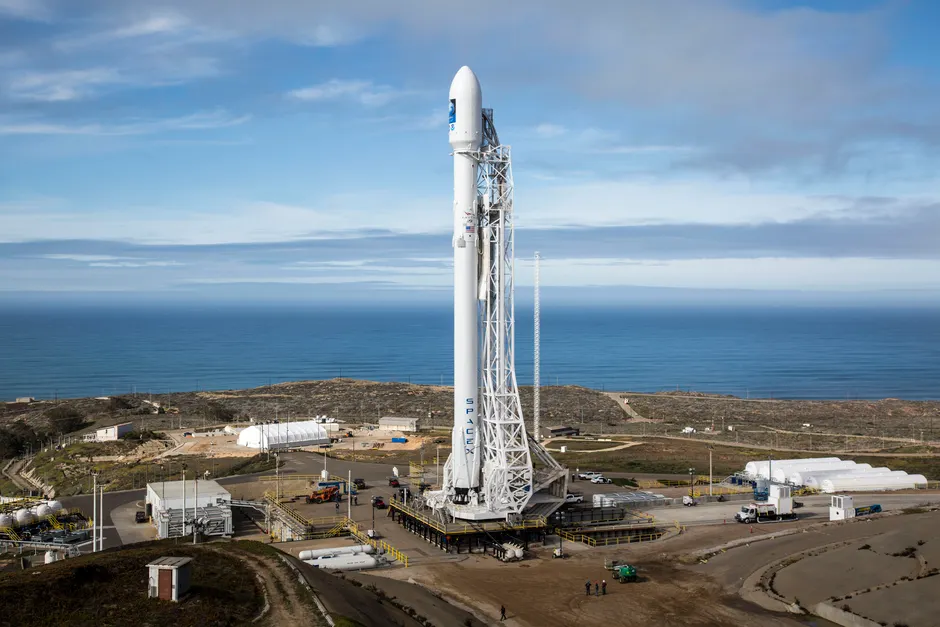
SpaceX describes Starship as a system made of two parts: an upper stage and a huge first-stage booster called Super Heavy. The company calls it a fully reusable transportation system for crew and cargo, meant for trips to Earth orbit, the Moon, Mars and beyond.
According to SpaceX, the full rocket stands 124 metres (407 feet) tall and measures 9 metres (29.5 feet) across. The company says it can carry more than 100 metric tonnes to orbit in a fully reusable setup. A metric tonne is 1,000 kilograms, or about 2,200 pounds. SpaceX calls Starship "the world's most powerful launch vehicle ever developed."
The booster is 72 metres tall and 9 metres wide. It carries 3,650 tonnes of propellant, which is the fuel and oxidiser that get burned to make push. Its engines produce 8,240 tonnes-force (18.1 million pounds-force) of thrust. Thrust is the push an engine generates. SpaceX says the booster uses 33 Raptor engines that burn liquid methane and liquid oxygen, both chilled below their normal boiling points.
The company says the booster is designed to fly back to the launch site and be caught by the launch tower. That catch is the basis for SpaceX's claim that the rocket can be reused.
The upper stage is 52 metres tall and also 9 metres wide. It holds 1,600 tonnes of propellant and produces 1,614 tonnes-force (3.5 million pounds-force) of thrust. It has six engines. Three Raptors fly it through the air at sea level, and three Raptor Vacuum (RVac) engines work in space.
A single Raptor is 1.3 metres wide and 2.9 metres tall. SpaceX lists its thrust at 250 tonnes-force (551 thousand pounds-force) and says it makes twice the thrust of the Merlin engine on the Falcon 9. Multiply 250 by 33 and you get 8,250 tonnes-force, which is close to the booster's 8,240. SpaceX does not explain the small gap.
The most important forward-looking figure on the page concerns the Moon. SpaceX says cargo flights to the lunar surface, for research, development and exploration, will start no earlier than 2028. The price is $100 million per metric tonne. A full 100-tonne load at that price would come to $10 billion. That is simple arithmetic on the stated price, not a contract. The page does not name any customer.
In my view, two parts of that statement matter most if you want to judge what this costs. The first is the price, which gives a clear per-tonne figure for moving cargo to the Moon. The second is the 2028 start, which is a stated intention. Neither has happened yet. The Flight 15 and USSF-317 entries are scheduled events. The lunar service is a plan with an earliest start date.
The broader context here is that reusability is what the economics rest on. If the booster can be caught and flown again, each launch should cost less. How well that works depends on real flights, and the company has not yet reported results from the catch. The page presents the catch as a design goal, so the payload, price and schedule claims still depend on flights that have not happened.
For now, the November 18 launch window and the 2028 lunar start are the two dates anyone can point to.