Why Seven American Aid Workers Are Locked Down in Kenya Over Ebola Fears
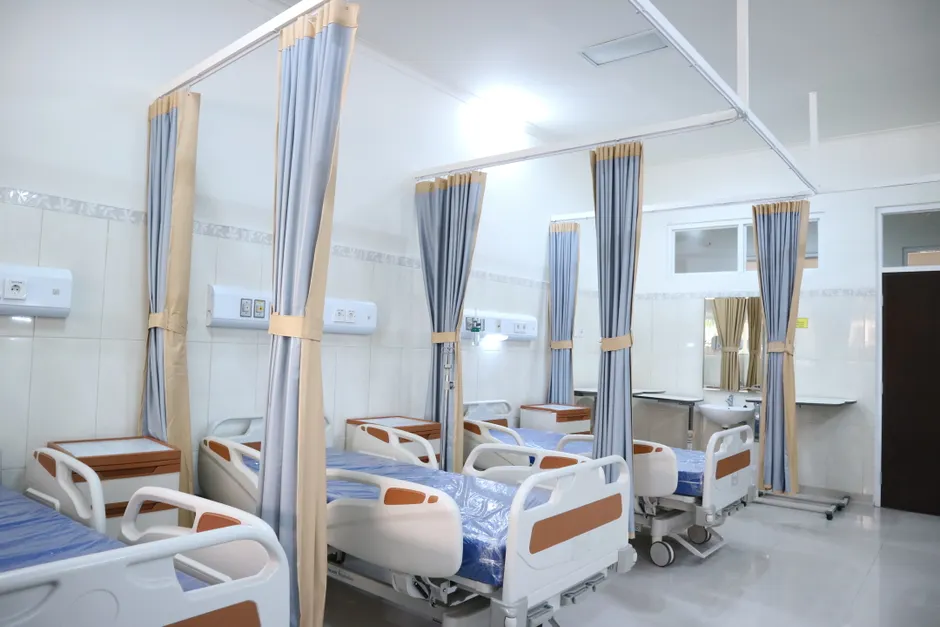
Seven American aid workers who went to the Democratic Republic of Congo (DRC) to help fight an Ebola outbreak are now quarantined at a new US government isolation facility in Nanyuki, central Kenya. Ebola is a deadly virus that spreads through contact with infected bodily fluids. The seven are staff members of Samaritan's Purse, a Christian aid organization, and they are the first known people to stay at a 50-bed isolation unit built on a Kenyan military air base. The Guardian
The group arrived on Monday and were sleeping on army cots in tents. A US State Department official said the seven had voluntarily moved to the Kenya facility for monitoring and isolation. They are being held under a 21-day quarantine, meaning they cannot leave the facility or travel anywhere else in Kenya for three weeks. The facility is designed for Americans who may have been exposed to Ebola in the DRC or Uganda but are not yet showing symptoms. Among the seven, one person had a possible high-risk exposure. Some had treated Ebola patients at Samaritan's Purse centres in Congo; others did construction work and had no direct contact with sick patients. The Guardian
The quarantine follows a US government policy: American citizens returning from the DRC must spend three weeks in a third country before they can enter the United States. Kenya was chosen as the location, and the US government built the facility on the air force base in Nanyuki. The Guardian
Samaritan's Purse, led by president and CEO Franklin Graham, is one of the largest foreign aid groups working on the Ebola response in the DRC, alongside the World Health Organization. It employs the largest number of Americans in the country and has been promised several million dollars from the Trump administration for its Ebola work. One Samaritan's Purse US staff member who caught Ebola earlier in July was transferred to a hospital in Germany on Monday. The Guardian
The facility's first occupants arrive after months of legal and political turmoil in Kenya over its construction. On May 28, 2026, Kenyan High Court Judge Patricia Nyaundi ordered the government to stop building or operating the facility. Reuters
Construction continued anyway. US officials acknowledged ongoing work, and satellite imagery reviewed by Reuters confirmed that US military flights into Nanyuki continued in the days after the court order. On June 2, the High Court ordered the government to release details about the facility. Al Jazeera Protests against the facility in Kenya resulted in two deaths. Reuters
President William Ruto defended the US-backed project, calling it the "right thing." Reuters Health Minister Aden Duale was found in contempt of court for ignoring the suspension order and then announced an immediate halt to construction. The Guardian
The broader context here is a clash between public health safety and a country's right to make its own decisions. The US wants to keep Americans who may have been exposed to Ebola away from US soil for three weeks, which is the longest the virus can take to produce symptoms after infection. But building the facility in Kenya, rather than in the US or in the DRC itself, has caused real tension. The Kenyan courts tried to stop construction, the government pushed ahead anyway, and protests turned fatal. That suggests many Kenyans felt they were never asked whether they wanted a facility carrying biosecurity risks in their communities.
For the aid workers, the quarantine is a precaution. Six of the seven have no symptoms and had low-risk or no direct contact with patients. But the one possible high-risk exposure, along with the earlier infection and evacuation of a colleague to Germany, highlights the danger of the work and the reasoning behind the US third-country policy.
The facility, despite the legal challenges, is now up and running. Whether Kenyan courts will take further action now that Americans are physically housed there is an open question. The tension between Kenya's courts, which tried to stop the project, and its government, which pushed it forward, has not been resolved by the arrival of patients. It has been overtaken by it.


