Samsung Is Shutting Down Samsung News on Some Galaxy Phones
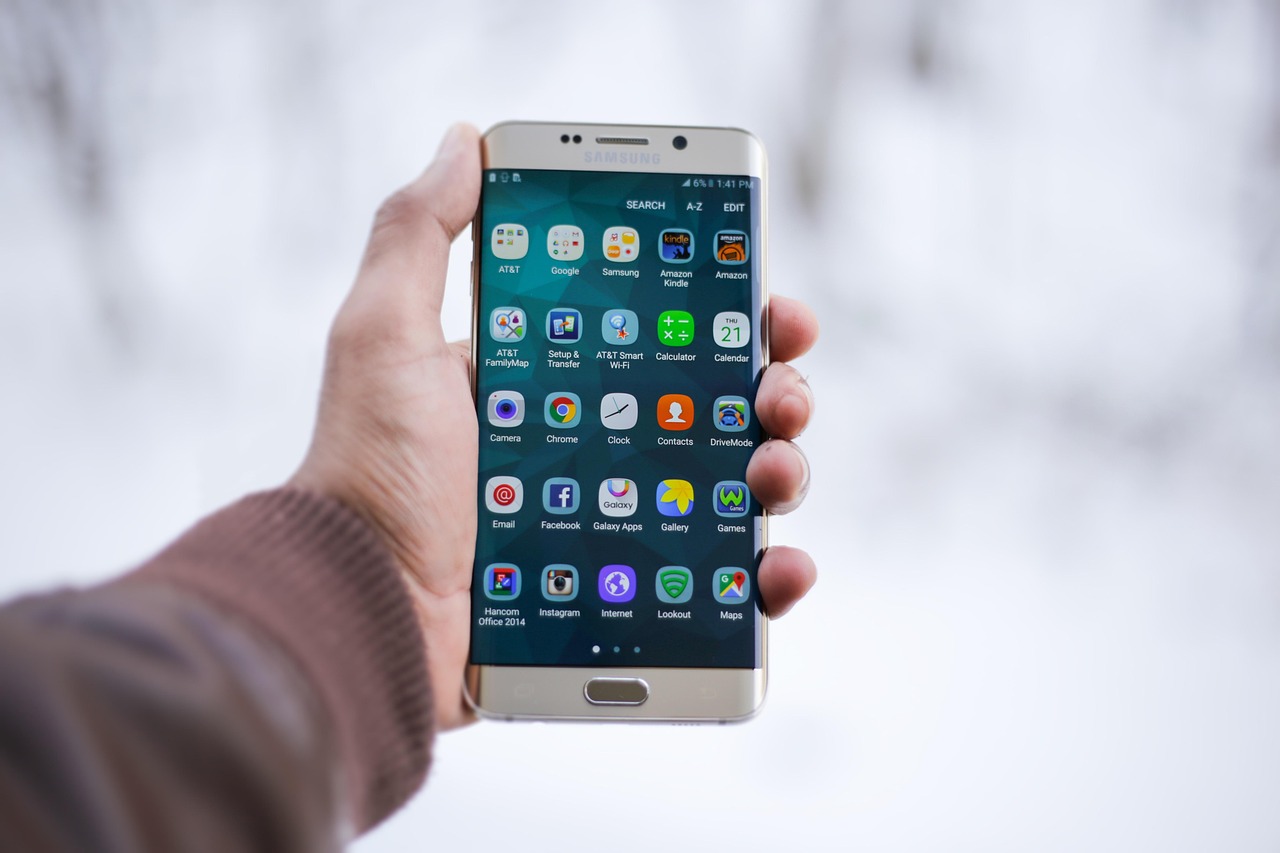
Samsung will shut down Samsung News later this year. The company sent a notice to Galaxy phone owners in South Korea and India.
The News widgets and the home-screen media page in those two countries stop working on December 21, 2026. That is roughly five weeks after the notice was reported. Engadget first detailed the notice on November 14.
The feature has had several names. Samsung's news hub started as Bixby Home in 2017. It became Samsung Daily in 2019, and later returned as Samsung Free. The Samsung News name arrived in 2023. Each version sat in roughly the same place: a set of news stories you reach from the home screen, without opening a separate app.
Shortly before the shutdown notice, Samsung announced an update to Samsung News. The update added short videos from publishers including ABC News and USA Today. The update and the shutdown plan came within a few months of each other.
The notice covers only South Korea and India. The dates apply only to the widgets and the media page named in the notice.
This fits a wider pattern in Samsung's software. In 2021, Samsung made Google Messages the default texting app, in place of its own Samsung Messages. In April 2026, the company officially ended its Messages app in the US and asked users to switch to Google Messages. Samsung News is the latest of Samsung's own services to be scaled back in favor of a different default.
In my view, the more useful question for developers and platform teams is what happens to the things that depended on that home-screen space. Publishers that gained readers through Samsung's feed will lose one route to their stories. Any analytics or recommendation tools built around the widget will need a new source of data. People who used the media page will have to find their news through the apps and browsers they already use. For most people, that is a small change.
The broader context here is a long pattern on Android. Phone makers have often built their own news, messaging, and assistant features. They have also often found that the services of Android's owner, Google, are harder to replace than the features suggest. Those experiments were not wasted. Each one tested a screen layout, a partnership model, or a way of showing content, and some of those lessons usually carry into the next product.
For users, the practical step is simple. Before December 21, anyone in South Korea or India who uses the Samsung News widget or the home-screen media page should choose a replacement. After that date, the current page will stop working.
For the rest of the industry, the episode is a reminder that a news feed on a phone lasts only as long as the company's business and software choices keep it. A home-screen spot works a bit like a shop window. The owner can change what is displayed there whenever it chooses.