China Just Launched a New Global AI Club — Here's What It Means

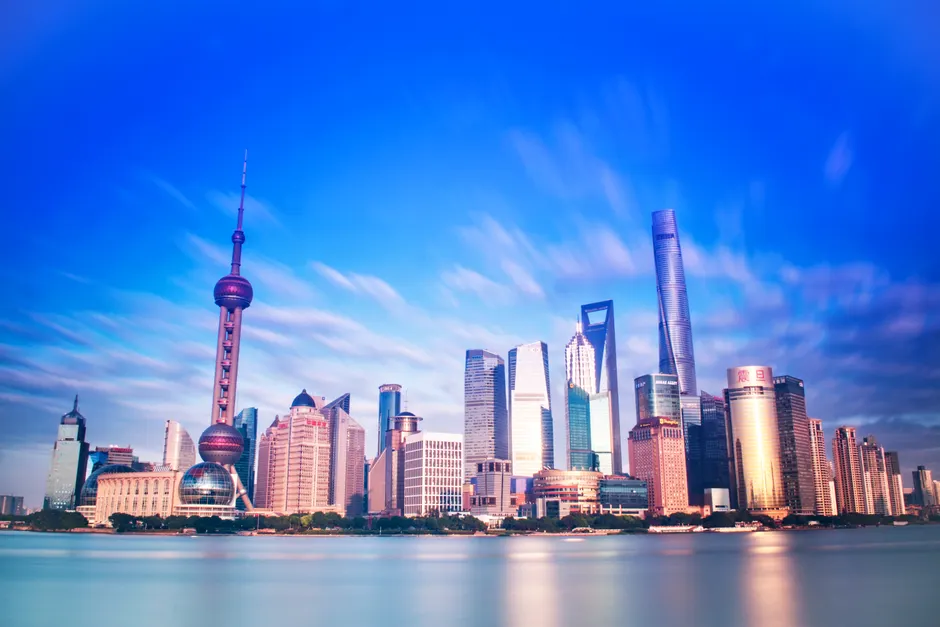
On July 16, 2026, a new international organisation called the World Artificial Intelligence Cooperation Organisation, or WAICO, was officially created. It is based in Shanghai and has 29 founding member countries, including Indonesia, Brazil, Malaysia, South Africa, Senegal, Russia, and Pakistan (Al Jazeera). The launch happened alongside the opening of the 2026 World AI Conference in Shanghai on July 17, where Chinese President Xi Jinping gave a major speech (China State Council). UN Secretary-General Antonio Guterres attended the launch event.
Xi's speech laid out four points about how AI should be developed and governed (China State Council). He said AI development "should not be a solo performance by a single country, but a symphony of international cooperation." He also called on countries to oppose "overstretching the national security concept in the field of AI" (Al Jazeera). That phrase is aimed at restrictions the United States and its allies place on selling AI-related technology to other countries — things like limits on exporting advanced computer chips. Xi did not name any country. He also stressed a "people-centred" approach, saying "AI is always under human control" (Al Jazeera).
Xi also made a concrete promise: China would provide 5,000 AI training opportunities for people in developing countries (China State Council). He said Beijing plans to keep working on AI with countries across Africa, Latin America, and Asia (Al Jazeera).
The idea for WAICO started at the 2025 World AI Conference in Shanghai, where China first proposed creating the organisation (Reuters). That proposal built on an earlier plan Xi announced in 2023 called the Global Artificial Intelligence Governance Initiative (Xinhua). So the 2026 launch is the final step in a two-year process: first an idea, then a proposal, and now a real organisation with a headquarters and member countries.
The 29 founding members are mostly from the Global South — a term for developing countries in Africa, Latin America, Asia, and parts of Oceania. Indonesia, Brazil, Malaysia, South Africa, Senegal, Russia, and Pakistan are named among the founders, though the full list has not been published. Guterres's attendance shows the UN is paying attention, but WAICO is its own organisation, not part of the UN.
Xi's call to oppose "overstretching the national security concept" is the sharpest part of his speech. China has used similar language before to criticise US restrictions on selling semiconductors and chipmaking equipment to certain countries. By putting that critique into the founding document of a new international body, China is positioning WAICO as an alternative to AI governance efforts led by the US and its partners, such as the Bletchley and Seoul AI Safety Summit processes — meetings where mostly Western countries have discussed AI risks and rules.
The 5,000 training slots are a practical incentive for developing countries to join. It follows a pattern China has used before in other tech areas, like 5G networks and satellite navigation: offer training and infrastructure, and host the forums where standards and rules get discussed.
The "people-centred" and "human control" language echoes the 2023 governance initiative, which emphasised fairness, non-discrimination, and letting each country set its own AI rules. Because WAICO is an inter-governmental body — meaning its decisions come from agreement among its 29 member governments — its policies will reflect that group's views rather than the smaller groups of mostly wealthy, Western countries that have dominated AI rulemaking so far.
The broader context here is a global AI landscape that is splitting into two camps. WAICO stands alongside, not inside, the existing mix of G7 initiatives, EU regulations, and US executive actions on AI. With 29 members and a Shanghai base, it creates a competing center of AI governance that rejects technology restrictions based on national security and treats developing countries' access to AI tools as a priority. Whether WAICO produces real, enforceable standards or mostly serves as a platform for statements will depend on the staff, funding, and working structures it builds next. The paperwork is signed; the actual institution is just starting.
The key things to watch going forward are whether more countries join, how deeply the UN gets involved beyond Guterres's appearance, and whether WAICO's rules gain influence in major international standards bodies. The 29 founders form a bloc; whether that bloc grows or stalls will determine if WAICO becomes a real force in AI governance or just another forum for diplomatic speeches.