A 13-Year-Old Built a Solar Panel That Tilts Itself Using Water
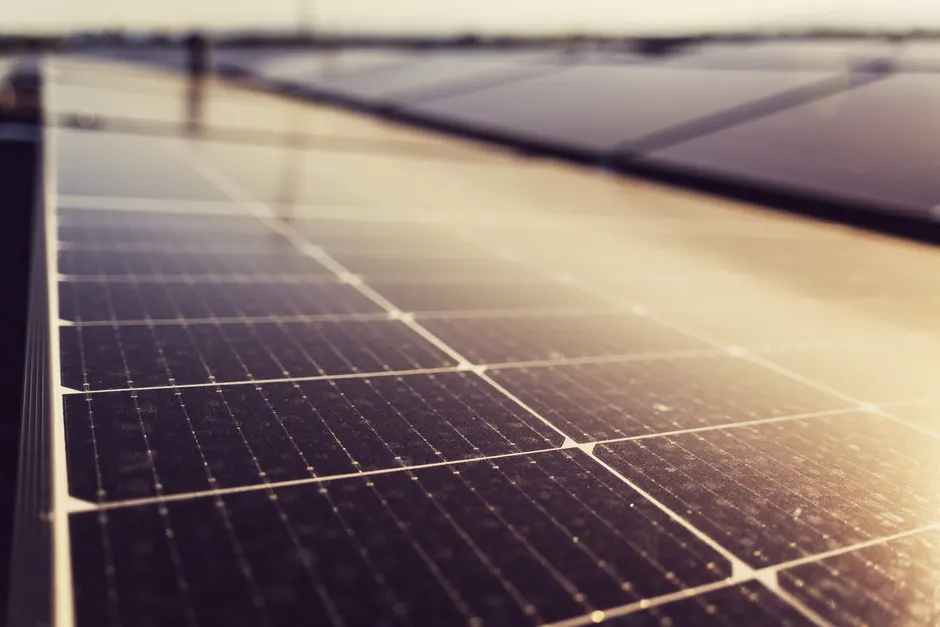
A 13-year-old seventh grader has built a solar panel tracker that moves with water and gravity. It needs no motor, no sunlight sensor and no electricity, according to Engadget, which published its report on November 15, 2026.
The student is Jason Chang, who attends Worcester Academy in Massachusetts.
The problem is simple. A fixed solar panel cannot turn to follow the sun. As the sun moves across the sky, the panel's angle to the light slowly drifts, so it catches less sunlight as the day goes on.
Chang's prototype mounts a small panel on a rotating wooden frame. Water drips into a bucket on one side. As the bucket fills, its weight tilts the panel. Nothing in the system senses the sun or runs a program. The panel moves only because weight builds up over time.
Chang started the project after he had to adjust his family's solar-powered Christmas lights to catch more sun. The idea came from that household chore, not from a class assignment, according to the report. He spent more than a year refining the design. He recorded his tests in a notebook and built much of the hardware from recycled materials.
In outdoor tests, the setup produced about 20 percent more voltage than a panel that stayed still, according to the same report. The prototype cost less than $25 to build.
The report also mentions a product you can buy. Engineering for Change promotes the SunSaluter, a rotating solar panel kit with a suggested retail price of $50. That price leaves out the panel, the battery and other parts. So the two figures do not measure the same thing. Chang's figure covers a prototype made mostly from salvaged parts. The SunSaluter price covers a kit without the parts most people would need to buy.
In my view, the design choice is the most useful detail. A passive tracker does without the light sensors, microcontroller and motor that a conventional two-axis tracker relies on. Each of those parts can break, uses power and adds to the cost. Water and gravity trade speed and precision for simplicity. A bucket that fills over hours follows the sun's slow movement, not its exact position at a given minute. Whether that trade suits a particular location, climate and the upkeep a user will accept is the real question. The 20 percent gain comes from Chang's outdoor tests, and readers should weigh it against those trade-offs.
The broader context here is who builds these things. A seventh grader solved a problem that professional installers have long accepted as the price of a fixed mount, and he used materials most homes already have. The reporting does not settle whether the idea can work beyond holiday lights. The prototype itself is a concrete, measurable result, and it started with a problem a child noticed at home.