Why Chip Stocks Tumbled and What It Means for Your Money
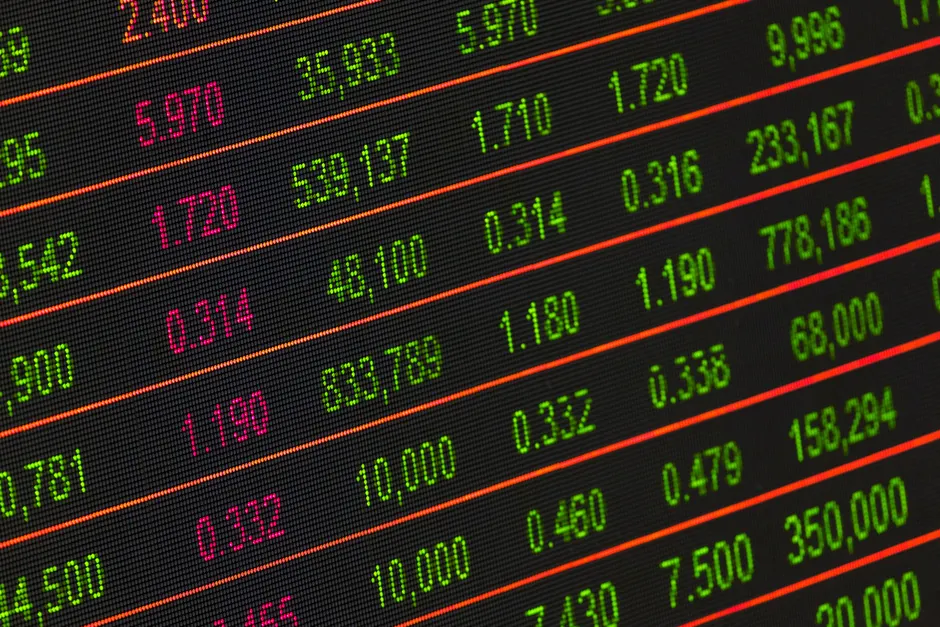
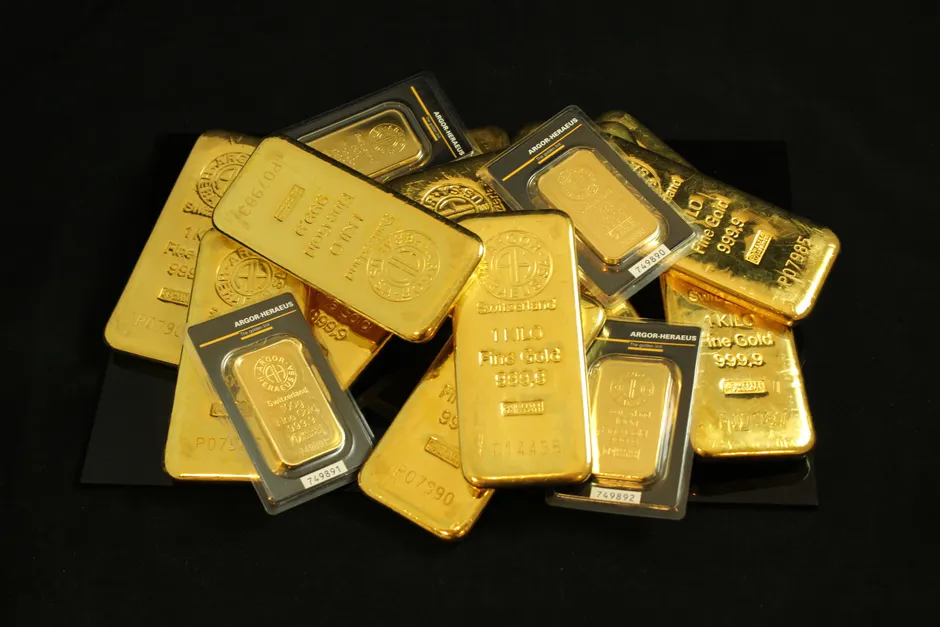
On July 17, 2026, major U.S. stock indexes fell as semiconductor — computer chip — stocks extended a long sell-off that spread through global markets. At the same time, the 10-year U.S. Treasury yield (the interest rate the government pays to borrow money for ten years, which also influences mortgage rates) eased to about 4.54%. Gold rose to $4,004.61 per ounce the day before.
The decline followed a July 16 slide in S&P 500 and Nasdaq futures as the chipmaker sell-off got worse. Spot gold gained 0.9% to $4,004.61, and the 10-year Treasury yield fell 3 basis points to 4.537%, per CNBC market updates. A basis point is simply one-hundredth of a percentage point — so 3 basis points is 0.03%. By July 17, the 10-year yield was around 4.54%, down two basis points, according to Investopedia. Reuters reported the chipmaker sell-off rippled through global stock markets on Friday, July 17, 2026.
Several forces are pushing stocks down. Rising oil prices and Treasury yields hurt stocks early amid tension in the Gulf, alongside chip-stock selling pressure, according to Schwab. Taiwan Semiconductor Manufacturing Company — one of the world's biggest chipmakers — reported strong earnings around mid-July 2026, but chip stocks still faced selling pressure amid spending concerns. The simultaneous rush into gold above $4,000 and the rally in longer-term Treasuries point to a market caught between conflicting forces: anxiety about growth in the semiconductor industry, geopolitical risk from Gulf tensions pushing up oil prices, and a cooling inflation picture at home.
The Treasury market's recent path shows how quickly investors are changing their minds about what the Federal Reserve will do. The Fed sets short-term interest rates, which affect everything from credit card rates to savings account returns. When traders expect the Fed to raise rates, bond yields tend to go up. When they expect rates to stay flat or fall, yields go down.
On July 13, 2026, Bloomberg reported that the two-year U.S. Treasury yield rose to its highest level since 2025, driven in part by rising oil prices. That same day, traders priced a nearly 50% probability of a Fed rate hike at the July 2026 meeting, up from less than 40% earlier in the session, following remarks from Fed Governor Christopher Waller.
The story shifted on July 14, when Bloomberg reported that bond traders cut back their bets on a July 2026 Fed rate hike after new CPI inflation data came out. CPI, or Consumer Price Index, measures how fast prices are rising for everyday goods and services. The cool CPI numbers caused rate-hike expectations to drop to 20%, sparking a Treasury rally. The two-year Treasury yield was one basis point higher at 4.20% on July 14, after closing nine basis points lower the day before.
This volatility follows a spring shaped by inflation fears. On May 13, 2026, the 10-year Treasury yield rose to its highest since July after PPI inflation data was released — PPI measures prices at the wholesale level, before they reach consumers — and the 30-year Treasury yield traded above 5%. A Reuters poll published July 9, 2026, authored by Sarupya Ganguly, indicated that war-driven inflation fears were not shaking the U.S. Treasury yield outlook. Back on June 9, Reuters reported the S&P 500 and Nasdaq fell as chip stocks weakened, alongside a technical analysis of short-term U.S. rates defying bets on higher yields. Earlier, on March 24, 2026, MarketWatch reported that Iran conflict concerns, inflation worries, and Fed rate-hike fears were collectively pushing bond yields higher, and that three signals tied to severe market drops were all flashing. A Bank of America survey reported by MarketWatch on May 19 found only 16% of respondents expected Federal Reserve rate hikes in the next twelve months.
The broader context here is a market caught between competing stories about where the economy is heading. The semiconductor sector's weakness continues despite positive earnings from TSM, suggesting the selling pressure comes from fears about future spending and demand rather than disappointing financial results. Meanwhile, the rush to gold above $4,000, combined with the move into longer-term Treasuries, signals investors pulling back from risk — a so-called risk-off shift that runs against the short-term volatility driven by changing Fed expectations. The rapid swing in rate-hike odds, from near 50% on July 13 to 20% on July 14, shows a market highly sensitive to every new inflation number. The current dynamic separates chip-sector-specific risk from the bigger macroeconomic picture, with chip stocks taking the hit from spending concerns while safe-haven assets like gold and Treasuries absorb the geopolitical and growth anxieties.