Google Lets Anyone Download and Remix Its 3D Emoji
Google announced on World Emoji Day, July 17, 2026, that it is letting anyone download and use its 3D emoji designs for free. The set, called Noto Emoji 3D, first appeared in May 2026 and got negative reactions at the time. Google's blog post, titled "Designing emoji for the way we communicate today," was published July 17 and explains the release (Google Blog).
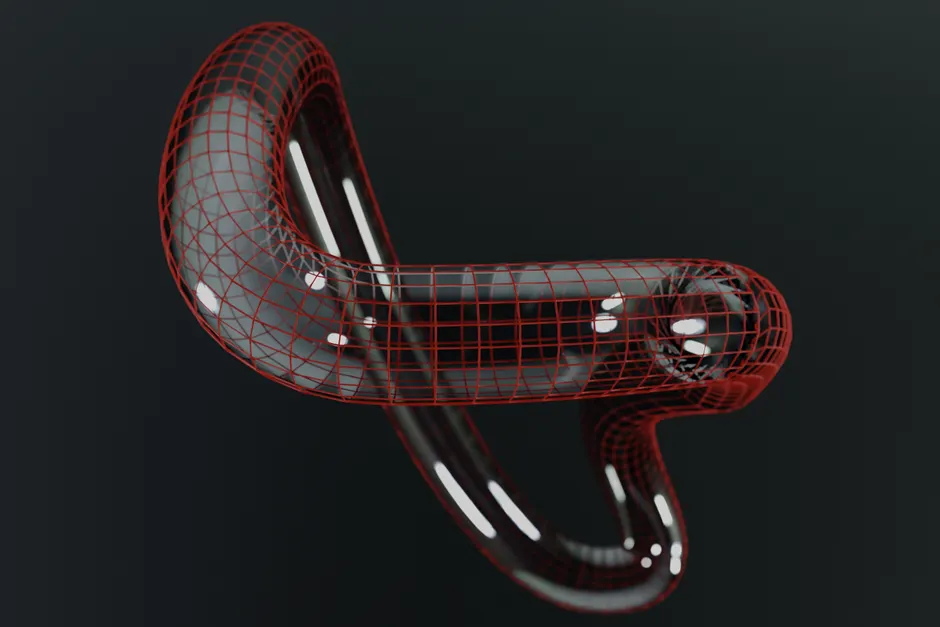
Google released the emoji as .OBJ files, a common 3D format that stores the shape of an object but nothing else. Think of it like getting a plain clay sculpture with no paint, no joints, and no moving parts. The files do not include colors, textures, or the internal skeleton that lets a 3D character move. Anyone who wants to use these emoji in a game or app will need to add all of that themselves. For developers, the .OBJ files are raw material, not finished artwork.
Google suggested the files could be used to build VR worlds, indie apps, or memes (The Verge). The blog post strikes an openly permissive tone, stating that users can "remix them, break them and stretch them into shapes we never could have anticipated" (Google Blog).
That phrasing reads as an invitation to reinterpret the assets rather than simply consume them, and it lands against the backdrop of the negative reception the emoji received in May. By handing the raw shapes to the community, Google is effectively asking other people to finish the creative work. Whether that pays off depends on whether developers and artists find enough value in the base shapes to invest the extra effort needed to make them look good.
The Noto family is Google's long-running open-source font and symbol project, and this 3D version fits that history. What makes the release notable is the licensing: Google is not publishing finished images or a locked-down app. It is giving away the underlying 3D shapes, which means anyone can import them, change them, and share them again without being tied to a specific platform or tool. For someone building an open-source VR world or a hobbyist making a sticker pack, that freedom matters.
Some experienced 3D developers will likely be frustrated that Google chose .OBJ instead of .glTF, a newer format that supports colors, textures, and animation. .glTF has become the standard for sharing 3D content on the web. OBJ is decades older. Because the files lack texture and color data, the emoji arrive as plain gray shapes that need extra work before they look like anything recognizably "Google" on screen.
In this author's view, the release is best understood as a starting point rather than a finished toolkit. Google is betting that the community will do the heavy lifting of turning raw shapes into something visually appealing, and the open-ended language of the announcement supports that reading. The negative reception to the original designs in May may have accelerated this move toward open-source release, though Google has not framed it that way. What is clear from the blog post is that the company is inviting modification rather than defending its original artistic choices.
For developers deciding whether to spend time on these files, the practical question is whether the base shapes are good enough to justify the extra work. The answer depends on the project. A VR world that needs a few recognizable emoji as background props can handle the extra steps without much trouble. A team expecting ready-to-use, fully colored, animated emoji will need to look elsewhere or build the missing pieces themselves.
The broader context here is that emoji have moved well beyond their origins as small, fixed pictures on a single platform. Three-dimensional, remixable, community-driven emoji are now a real category, and Google's decision to release Noto Emoji 3D under an open license gives that category a free foundation to build on. Whether the community takes that foundation and produces something that outlasts the initial controversy around the designs is an open question, and the answer will come from what people actually build with these files in the coming months.


