The FDA Said Taco Bell's Lettuce Had a Parasite. The Test Was Wrong.
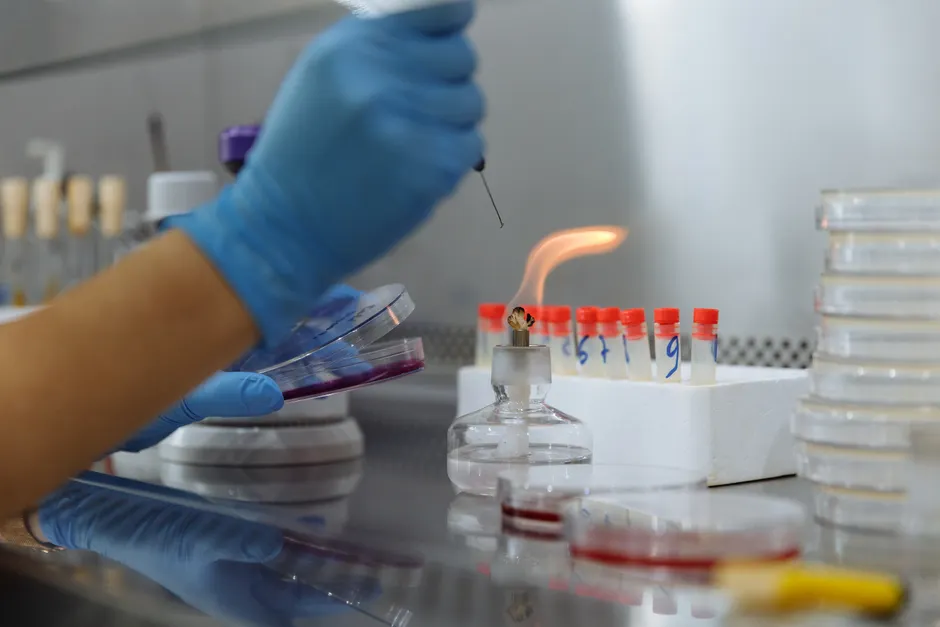
The FDA has determined that a test for a parasite called Cyclospora on iceberg lettuce from Taylor Farms de Mexico was a false positive, meaning the test said the parasite was there when it actually was not. The result had triggered a recall and an outbreak investigation across five states, according to reporting from July 20, 2026 (Forbes, Fox Business).
The FDA notified Taylor Farms of the revised finding. In a statement published July 19, Taylor Farms said the FDA had apologized to the company over the investigation (Taylor Farms Newsroom).
Here is how the events unfolded. On July 17, 2026, Taylor Farms de Mexico recalled all iceberg lettuce sourced from central Mexico. The CDC and FDA were investigating a Cyclospora outbreak across five states: Indiana, Kentucky, Michigan, Ohio, and West Virginia (CDC). The CDC advised consumers not to eat shredded iceberg lettuce from Taylor Farms de Mexico sold at Taco Bell locations in those states (CDC Investigation Update). Taylor Farms de Mexico, based in Guanajuato, Mexico, voluntarily pulled all iceberg lettuce sourced from central Mexico from the U.S. market.
Taylor Farms said it had stopped receiving product from the affected lot and suspended distribution (Taylor Farms Recall Page). In its initial outbreak statement on July 19, the company noted that the FDA had not identified a single positive product test result for Cyclospora (Taylor Farms Statement).
The FDA's press announcements page carried a recall alert linked to the outbreak, dated July 17, 2026 (FDA Press Announcements). The CDC published its outbreak investigation page on July 18, along with a separate update page the same day (CDC Outbreak Page, CDC Investigation Page).
The false positive finding closes the loop on a fast-moving sequence: from outbreak investigation, to recall, to retraction. The initial test linked Taylor Farms lettuce to the Cyclospora outbreak. The FDA's revised finding takes that link away. No verified facts indicate whether the CDC's outbreak investigation itself remains open or has been formally closed.
The broader context here is the real-world cost of a testing mistake. A single wrong test result set off a recall across five states, pulled product from a major fast-food chain, and forced both the government agency and the supplier to publicly correct course. The FDA's apology to Taylor Farms is worth noting; such apologies are uncommon in food safety enforcement and may affect how the agency communicates similar situations in the future.
For anyone watching foodservice companies or produce suppliers, the scope was narrow: one product (shredded iceberg lettuce), one supplier (Taylor Farms de Mexico), one sourcing region (central Mexico), and one restaurant chain footprint (Taco Bell across five states). The reversal means the reason for the recall has been pulled back by the testing authority. What remains unanswered is whether people in those five states were actually getting sick from Cyclospora, and if so, from what source.
Cyclospora cayetanensis is a tiny parasite that can make people sick when they eat food or drink water contaminated with it. Outbreaks in the U.S. have typically been tied to fresh produce, especially leafy greens and herbs, often from regions where seasonal conditions raise the risk. The CDC tracks Cyclospora illnesses through its Foodborne Diseases Active Surveillance Network, known as FoodNet, and through outbreak-specific pages, which is how the July 2026 outbreak was publicly followed before the test result was overturned.
The FDA has not yet published a corrected press announcement on its press announcements page reflecting the false positive finding, based on the verified source record as of July 20, 2026.


