Samsung's Profit Just Jumped 19 Times — Here's What That Tells Us About the Chip Boom

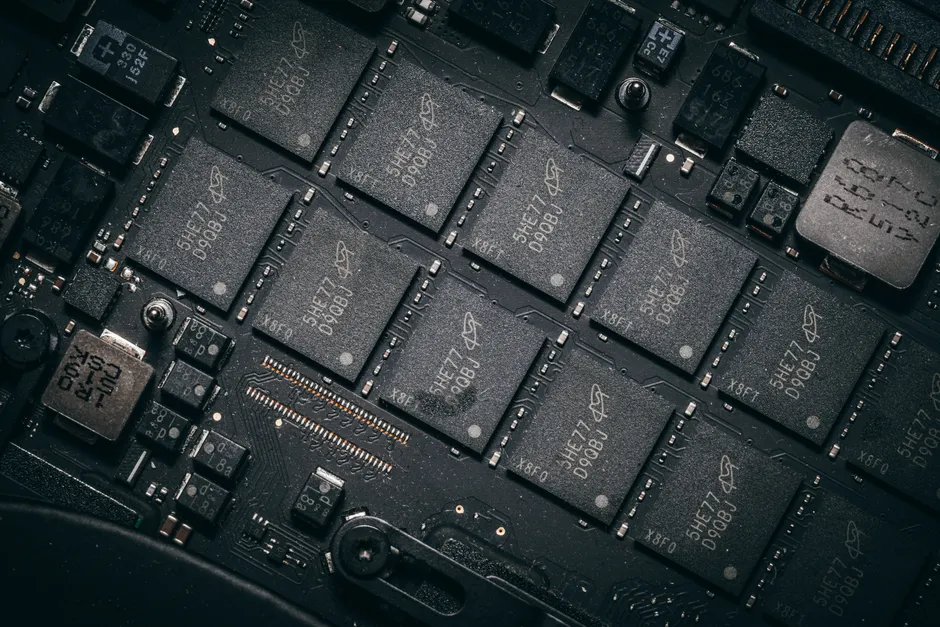
Samsung estimated a 19-fold jump in its Q2 2026 operating profit, beating expectations, as memory chip prices kept climbing with AI spending spreading beyond specialized high-bandwidth memory (HBM) into the ordinary memory chips used in phones, computers, and servers (Reuters). The result, reported July 6, 2026, is the clearest signal yet that the AI-driven boom in memory chips is no longer confined to the specialized chips powering big AI data centers.
The pressure has been building for over a year. Back in June 2025, Micron shares rose on bets of strong demand for AI-related memory chips, and the company said it would keep investing in HBM to meet growing demand from AI leaders like Nvidia (Reuters). By October 2025, the global rush to make AI chips was already tightening the supply of the less glamorous memory used in smartphones, computers, and servers (Reuters). What started as chipmakers shifting their factory capacity toward AI has, by mid-2026, become a lasting price increase across the board for memory chips.
Morgan Stanley formalized the risk on June 3, 2026, warning that soaring memory chip prices driven by massive AI demand could cause what they call "chipflation" — inflation caused by rising chip costs — that spreads from data centers into the wider economy (Reuters). The bank's research document "Mapping AI's Rate of Change," published February 2026 with data as of January 30, references Micron and SK Hynix as key players in the memory supply chain (Morgan Stanley). A separate Morgan Stanley "GIC Insights" document covering Micron's stock price, memory prices, and profit forecasts for the semiconductor sector as of June 30, 2026, labeled the sector "Driven by Euphoria" (Morgan Stanley).
Why does that euphoria label matter? Profit forecasts for chip companies have been climbing along with memory prices. But Morgan Stanley's own "chipflation" warning works against a simple bullish story. The tension is between chip company earnings that are genuinely growing as sales volumes and prices rise, and the fact that those higher costs are flowing through to buyers of smartphones, PCs, and servers who have no AI revenue to make up the difference.
The demand side is also broadening in ways that could extend the boom. In April 2026, Morgan Stanley estimated that agentic AI — AI systems that can take actions on their own rather than just answering questions — could add $32.5 billion to $60 billion to the data-center processor market by 2030, on top of a market already exceeding $100 billion (Reuters). Agentic AI workloads shift more computing tasks toward regular server processors and away from GPU-only setups, pulling conventional processors and their memory needs into the AI spending orbit. This gives memory pricing pressure a second engine: not just specialized HBM chips taking up factory space, but agentic AI increasing the amount of standard memory each system needs.
The supply response remains the critical variable. Samsung's 19-fold profit estimate confirms that memory producers are capturing higher prices rather than cutting them to sell more volume. Micron's commitment to continued HBM investment signals that factory capacity will flow toward the most profitable products first. That leaves supply growth for ordinary memory chips dependent on older factory lines competing for the same production resources. The October 2025 supply tightening in non-HBM memory has not reversed; it has intensified through Q2 2026.
The broader context here is that for anyone following semiconductor stocks, Morgan Stanley's euphoria label is worth taking seriously — not as a sell signal but as a marker of where we are in the cycle. The sector's profit forecasts reflect pricing power that is, by Morgan Stanley's own analysis, effectively inflationary for the companies buying these chips. The question is whether rising chip costs become a margin problem for device makers and cloud operators before they become a volume problem for memory producers. Samsung's Q2 result suggests the producers still hold the upper hand. How long that lasts depends on whether agentic AI demand materializes at the scale Morgan Stanley's $32.5-to-60 billion estimate implies, or whether that figure turns out to be as optimistic as the euphoria label suggests caution.