A Union Wants to Tax the Wealthy. Here's What's in Its Plan

A major Australian union has put out a 32-page plan calling for big changes to the tax system. The Australian Manufacturing Workers' Union (AMWU) wants a new higher tax rate for people earning over $500,000 a year, an annual tax on wealth (not counting your family home), and a tax on large inheritances.
The document, published as a PDF titled "Our union blueprint for action" on the AMWU's website, describes itself as a "working-class agenda" and says it is not a polite policy submission. The union calls it "a working-class instruction to the government on how to build a society that actually works for us all" (The Guardian).
The manifesto's central claim is that Australia's tax system is "rigged in favour of private wealth accumulation and speculation." The ideas in the document flow from that. Right now, the highest tax rate in Australia is 47% (including the 2% Medicare levy) and it applies to income over $190,000. The AMWU wants a new, higher rate for income above $500,000. The document also calls for an annual wealth tax on assets excluding the family home, and an inheritance tax on large bequests to stop what the union calls the "intergenerational concentration" of wealth.
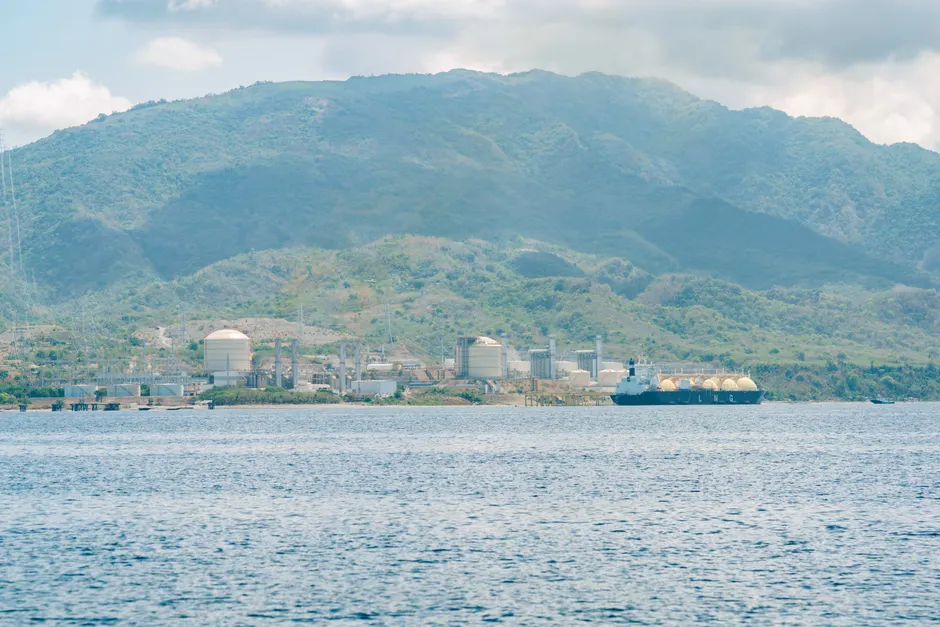
On the revenue side, the manifesto demands "fundamental reform" to the petroleum resource rent tax to get more money from gas companies. This tax applies to profits from offshore gas projects. The AMWU also says it has long opposed free trade agreements, calling them "anything but free for the working class," while opposing blanket flat tariffs, which it calls "a tax on working people" (AMWU, "Our union blueprint for action").
The spending proposals are big. The manifesto wants to use the extra tax money to raise the JobSeeker payment, make education including university free, and bring aged care under government ownership. None of this has been costed. The document goes well beyond anything the Albanese government would realistically consider adopting (The Guardian).
The timing is deliberate. The Labor Party's national conference runs Thursday to Saturday in Adelaide. The AMWU is one of the loudest progressive voices in the labour movement and has form on this terrain: it pushed for winding back property investor tax concessions before the Albanese government pursued the policy itself.
The gas tax is the one area where the union's plan overlaps with what the conference is actually discussing. Labor is set to make an in-principle commitment to a gas tax at the conference, with the draft platform binding the party to ensure a "fairer return" on natural resources. But the parliamentary party is not required to implement it, and Prime Minister Albanese is not considering a gas tax due to uncertainty stemming from the Middle East crisis. The campaign for higher gas taxes also has backing from ACT senator David Pocock and the Australia Institute thinktank.
The AMWU's broader positioning fits with its recent public communications. Its website published a budget response stating "A tax cut is not a pay rise" and calling the budget "unimaginative" (AMWU).
The broader context here is the gap between what the union movement's left flank is willing to say out loud and what a Labor government in office is willing to touch. A wealth tax, an inheritance tax and a new top tax rate above $500,000 are not on the government's agenda. The gas tax reform is the exception, and even there the conference commitment is in-principle only, not binding on the parliamentary party, and currently shelved by the PM. What the manifesto does is lay down a marker for where a significant union thinks the policy floor ought to be, if not where it will land.
For conference delegates, the document works as a pressure statement from the left at a moment when the government is trying to manage expectations across its factions. The AMWU is not asking for small adjustments. It is proposing changes to the tax base that no major party has taken to an election in living memory. Whether that shifts the conference floor or simply registers as an ambitious opening bid from a union with a history of punching above its weight on tax policy is the question that the next three days in Adelaide will answer.