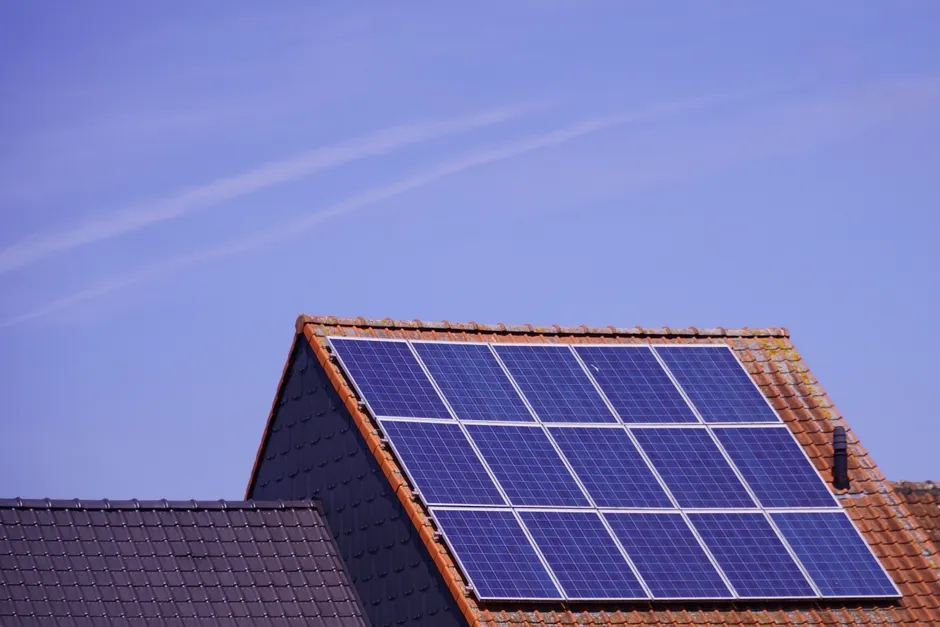
You Can Now Buy a Plug-In Solar Panel for Your Home — and It Meets US Safety Standards
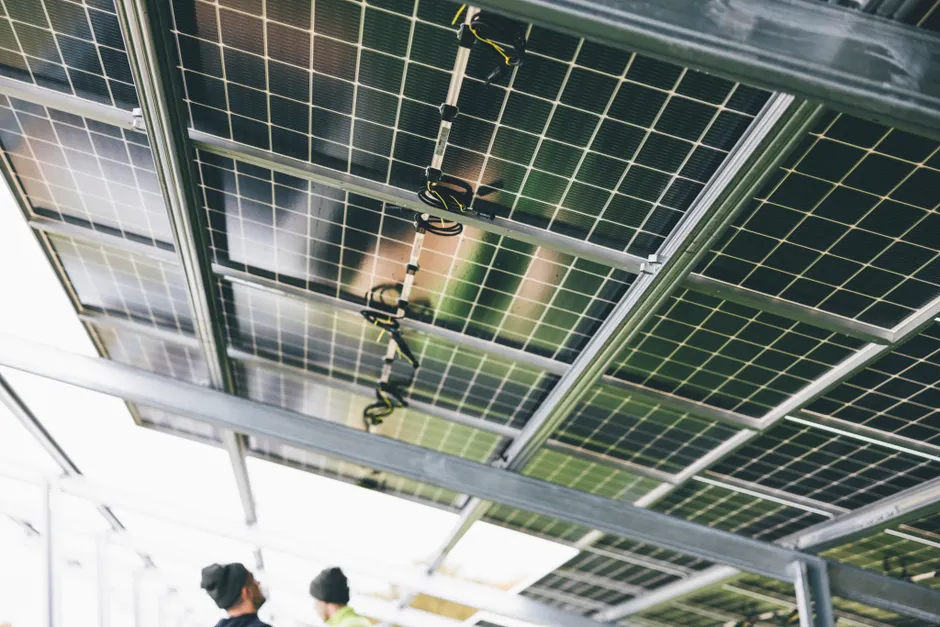
Hoymiles has released the HiFlow Pro, a small device that lets you plug a solar panel into a regular household outlet, in the United States. It is the first product to meet UL 3700, a new safety standard for this kind of plug-in solar equipment. The device is now available to US buyers Engadget.
UL 3700, formally titled "Outline of Investigation for Interactive Plug-In Photovoltaic Equipment and Systems," was released in mid-December 2025 UL Solutions. It is the first North American safety standard for plug-in solar systems, a category often called balcony solar. In January 2026, UL Solutions launched its testing and certification program for plug-in solar across the United States, based on the UL 3700 standard UL Solutions.
Hoymiles announced the HiFlow Pro on July 15, 2026 PV Magazine USA, with the company's own product release published the prior day Hoymiles. Engadget confirmed US availability on July 20, 2026 Engadget.
Here is what makes this notable. Solar panels produce direct current (DC) electricity, but your home's outlets and the power grid run on alternating current (AC). A microinverter is the small box that converts one to the other. Plug-in solar means you can take a small solar panel, attach it to a microinverter, and plug the whole thing into a standard wall outlet, just like plugging in a lamp or a phone charger. No electrician, no permit, no inspection.
Until UL 3700 came along in December 2025, there was no safety standard in North America for this kind of equipment. That meant plug-in solar products either existed in a regulatory gray zone or could not be sold at all, depending on where you lived and what your local utility allowed. UL 3700 created the testing and certification framework that lets manufacturers build compliant products and bring them to market. The HiFlow Pro is the first microinverter to pass that certification.
The roughly seven-month gap between the standard's release and the first certified product reaching buyers is worth noting. Normally, designing, testing, and certifying electrical equipment can take a year or more. Hoymiles moving from standard publication to a shipping product in under seven months suggests the company either had early access to the draft standard or had a design that already came close to meeting the requirements. Either way, it appears UL 3700 was not a surprise to companies watching this space.
The broader context is that plug-in solar has been popular in parts of Europe for years, especially in Germany. German homeowners adopted balcony-mounted solar panels rapidly after the government simplified the rules, letting people register small systems with their grid operator through a quick notification rather than a lengthy application process. The US has lagged behind, partly because the lack of a safety standard made it hard for retailers and utilities to accept these systems. UL 3700 fills that gap, and the HiFlow Pro gives homeowners, renters, and DIYers a product that meets the new rules.
The key question going forward is not whether one microinverter changes the market. It does not. The question is whether UL 3700 opens up plug-in solar as a real product category in the US, the way similar rule changes did in Germany. That will depend on things the standard alone cannot fix: state-level rules for connecting to the grid, whether utilities offer credit for the extra electricity these panels produce, and whether insurance companies and building inspectors treat plug-in solar as routine and low-risk.
What UL 3700 and the HiFlow Pro do provide is a starting point. With a safety standard and a certified product, the conversation about plug-in solar in the US can shift from "is this even legal?" to "does this make sense for me?" That is a necessary step before any product category can grow, and it is the step that has been missing until now.