An Airline Worker Threatened to Call Immigration on a U.S. Citizen — Over a Name Typo
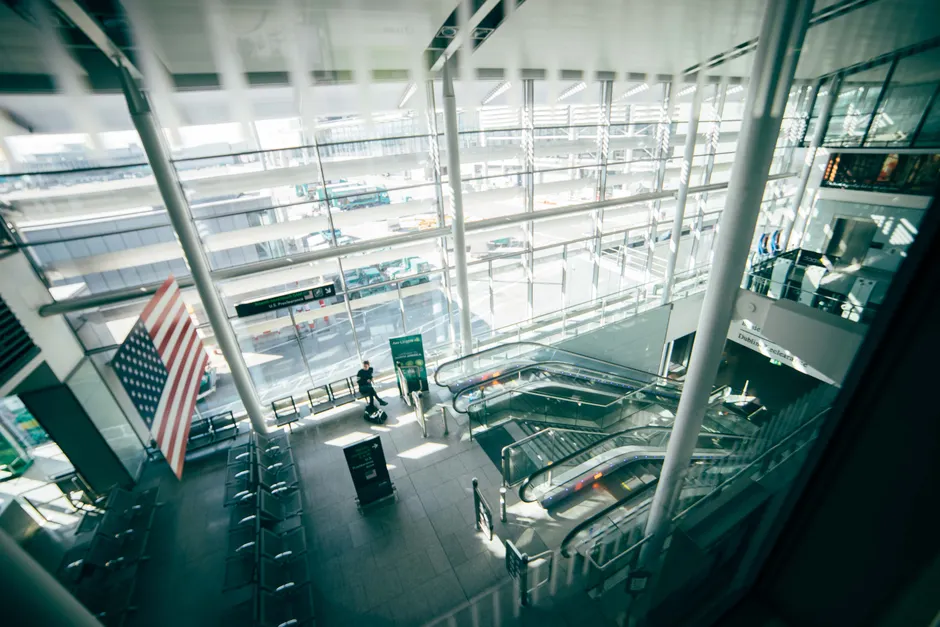
A United Airlines worker at San Francisco International Airport told a U.S. citizen, "Maybe we should call ICE on you," during a fight over a plane ticket mistake. A video of the moment went viral. The Guardian reported the story on July 20, 2026, saying it happened the week before.
The passenger, Julio Varela, is a Mexican American from San Ramon, California. He is a "naturalized" citizen, which means he was born in another country but went through the legal process to become a U.S. citizen. That gives him the exact same rights as someone born in the United States.
The problem started when Varela's family made a typing error on his daughter's name while buying a ticket for a flight to Canada. The family waited about three hours for United to fix the name. Then the argument with the airline worker began.
During the exchange, the worker told Varela: "You don't act like a citizen." She then said: "Maybe we should call ICE on you." ICE stands for U.S. Immigration and Customs Enforcement. It is the government agency in charge of enforcing immigration laws. After Varela asked for the worker's name, she pulled out her own phone and started recording him. Varela was already recording on his phone. His video spread widely online and caught public attention.
United Airlines sent an email in response: "We're looking into the interaction in this video, but don't have anything additional to share at this time."
The broader context here is important. When someone who is not a police officer or government agent threatens to call ICE, the threat works because of what it implies — that the person's right to be in the country is in question. For a naturalized citizen, that implication is especially loaded. The process of becoming a citizen through naturalization is a formal legal process. A naturalization certificate or a U.S. passport proves citizenship under federal law. There is no such thing as "acting like" a citizen that changes that.
A few things about this incident stand out. The worker's comments were not part of any official report to law enforcement. They happened during a customer-service argument about fixing a name on a ticket — a normal, everyday task for an airline. This raises the question of whether airline workers get any training on when it is appropriate to bring up federal agencies like ICE when dealing with passengers.
The fact that both people were recording each other shows something that has become common in service disputes. Viral videos can push a company to respond faster than an official complaint would. But it also means that when someone is held accountable, it is often because of public pressure, not because of a legal or regulatory process.
United's statement does not commit to anything. Saying they are "looking into" what happened is not the same as a finding, a punishment, or a promise to change policy. It leaves open every major question: how the airline will handle the worker's behavior, whether their rules cover this kind of situation, and what changes, if any, will come next. For an airline based at SFO — a huge international airport in an area with many immigrants — how the company responds to this carries weight well beyond one worker's words.


