Stocks Went Down on July 21, 2026 — Here's Why Oil and AI Were Blamed
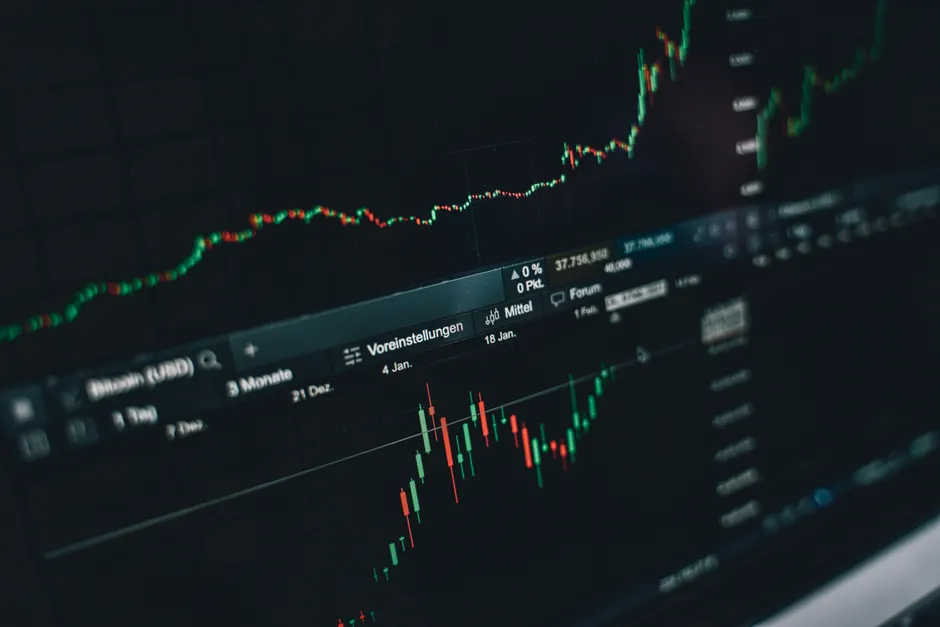
U.S. stocks went down on July 21, 2026. The Dow Jones Industrial Average — a group of 30 major companies used to track the stock market — dropped 307 points, or 0.6%. The S&P 500, a broader measure of 500 large companies, fell 0.2%. The Nasdaq, which leans heavily toward technology companies, fell less than 0.1% after starting the day higher. Wall Street Journal
There was no single cause. Two things were pushing prices down at the same time: oil prices staying high, and growing worry about whether AI-related stocks were priced too high. The WSJ's headline said it plainly: "Stocks Fall as Fears Persist Over Oil, AI." Wall Street Journal
Swissinfo's same-day report led with "Conflict Rattles Stocks, Bonds as Oil Holds Gains," confirming that oil was the biggest story that day. Swissinfo The Rio Times' Latin America oil wrap, also published July 21, said the same thing. Rio Times
What Happened With Oil
To understand the oil story, you have to go back a few weeks. On June 14, 2026, Iran cut its official selling price for light crude sold to Asian buyers to $7.15 per barrel above a regional benchmark. That came alongside a reported U.S.-Iran peace deal and the reopening of the Strait of Hormuz, a narrow waterway that carries a large share of the world's oil shipments. Reuters
By June 30, Brent crude — a key global oil price — had settled at $72.92 a barrel, down 23 cents (0.3%), as investors watched for potential Iran-U.S. talks in Doha. Reuters
But the peace deal did not bring oil prices down for long. By July 21, oil was described as "holding gains," meaning prices stayed higher than expected weeks after the Strait of Hormuz reopened.
For that same day, CME Group listed price limits for Micro WTI Crude Oil Futures (a type of oil trading contract) at 8249 and 825.0, and the API Weekly Oil Stocks report was scheduled for 03:30 PM CT. CME Group CME Group The API report is not an official government count, but it often sets the tone for the official government inventory numbers released the next day.
What Happened With Tech Stocks
The other pressure came from technology. On July 20, 2026, the Economic Times reported that hedge funds (large investment funds that take bigger risks) were selling U.S. tech stocks at a record pace amid volatility tied to AI. Economic Times
That selling helps explain why the Nasdaq could not hold its early gains. A few giant tech companies make up a large share of the Nasdaq index, so when big investors sell those stocks, the whole index feels it more. Imagine a boat where most of the weight is on one side — if that weight shifts, the whole boat tips.
Bonds Were Also Hit
Bonds — loans that investors buy for steady returns — were not spared either. Swissinfo's headline paired stocks and bonds as rattled. Normally, when stocks fall, investors move money into bonds for safety, and bonds go up. That did not happen here. Both went down together.
The broader context here is that when oil prices stay high, they push up the cost of goods and services over time. That is inflation — when your money buys less. High inflation makes it less likely that the Federal Reserve (the U.S. central bank) will cut interest rates, and higher rates push bond yields up and bond prices down.
Why This Complicates Things
In my view, the two problems — oil and AI worries — are tangled together in a way that makes them hard to separate. Oil-driven inflation makes interest rate cuts less likely. Higher rates hurt tech stocks because they reduce the value of those companies' future earnings. So an investor trying to protect against oil-driven inflation is also working against the tech stocks that have driven most of the market's gains.
The API inventory data released after the market close will be the next real data point for oil. For stocks, the question is whether hedge funds are done selling, or whether the Nasdaq's tiny decline (less than 0.1%) means other investors stepped in to buy at lower prices. The S&P 500's 0.2% decline and the Dow's larger 0.6% drop suggest the damage was concentrated in certain areas, not spread evenly across the market.