Stocks Went Different Ways on Tuesday — Here's What Happened
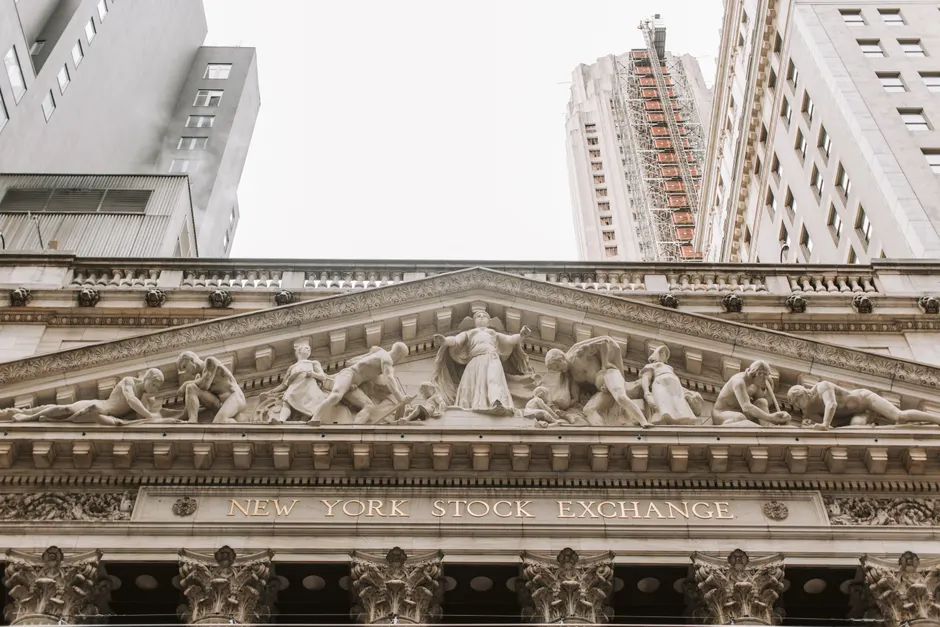
US stock markets moved in different directions on Tuesday, July 28, 2026. The Dow Jones Industrial Average rose 1.10%, while the Nasdaq Composite fell 0.21% to 24,880.21 points, according to Reuters. The S&P 500 ended up in the middle, gaining 0.24% to close at 7,430.73 points.
The big story was a sell-off in chip stocks, driven by worries about AI circular financing deals, Yahoo Finance reported. Circular financing is a situation where companies that are connected to each other — through investments or partnerships — buy each other's products. That can make sales look bigger than they really are, because the demand isn't coming from real outside customers. It's like a group of friends who all own shares in each other's shops and also buy from each other: the shops look busy, but the real customer base might be much smaller than it appears.
Oil prices also dropped on July 28, Yahoo Finance noted, which tends to push prices across the economy lower.
The reason the Dow went up while the Nasdaq went down comes down to what's inside each index. Think of an index as a basket of companies. The Nasdaq's basket holds a lot of technology and chip companies, so when chip stocks fell, the whole Nasdaq felt it. The Dow's basket has very few chip companies, so it was free to rise on the back of cheaper oil and stronger industrial and financial companies.
The broader context here is about risk that builds up when too much of your investments sit in one area. The Nasdaq's heavy focus on AI and chips meant that a single concern was enough to drag the whole index down, even while most of the market was doing fine. A 0.24% gain in the S&P 500 looks boring on its own, but underneath that number, the Dow was up over a percent, the Nasdaq was down, chips were falling, and oil was getting cheaper.
The circular financing worry matters because investors have been betting that AI spending will keep growing. If some of that spending is just companies funding each other's purchases rather than real customer demand, the revenue behind these stocks may not be as solid as it looks.
It's not yet clear what set off Tuesday's sell-off — whether it was new information, analyst commentary, or investors rethinking things they already knew. What we can confirm is that the market reacted and that circular financing concerns were the cited reason. Whether this turns into a bigger reassessment of AI-related revenue or fades as a one-day blip is something to watch.
The oil decline adds another layer. Lower oil prices tend to mean lower inflation, which affects interest rates and, in turn, the values investors place on stocks — especially growth stocks whose value depends on future earnings. For investors already worried about AI-related risks, cheaper oil sends mixed signals: it helps some parts of the market while squeezing others.
Tuesday's session packed several stories into one day. The numbers look small. What's underneath them does not.