The UK Has a New Prime Minister: Andy Burnham's First Day
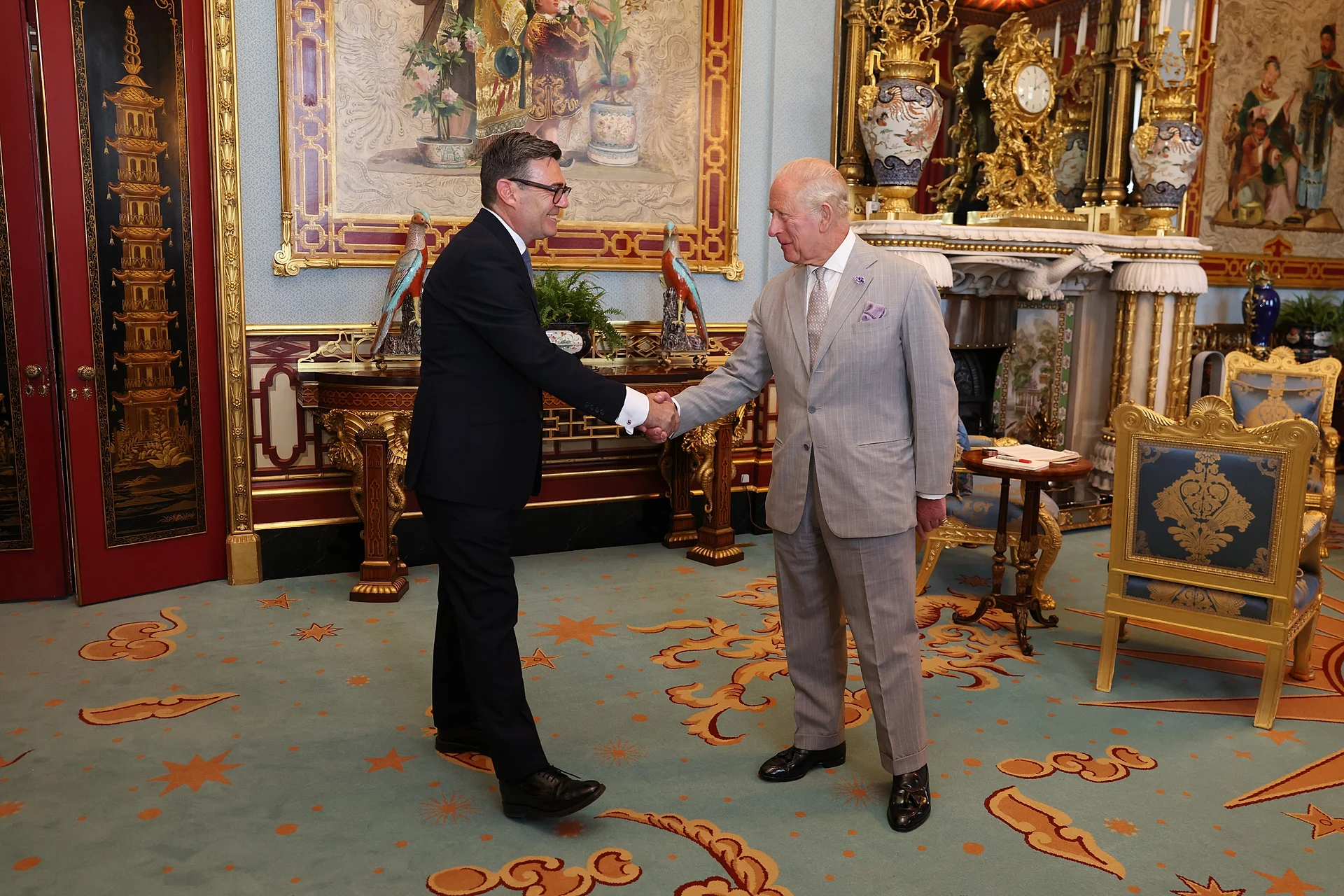
Andy Burnham was appointed Prime Minister by King Charles III at Buckingham Palace on 20 July 2026. He became the seventh UK prime minister in ten years and the fifth in just four years BBC, BBC. The change happened after Keir Starmer gave his final speech as prime minister that same day, handing power over to Burnham gov.uk.
Burnham then gave his first speech as prime minister from the steps of Downing Street, notably without a lectern CNN. He promised to make politics "work better" and to end instability CNN, CNN. The speech set the tone for a leader whose main goal is bringing steadiness to British politics after years of constant change at the top.
On the same day, Burnham appointed a full new Labour cabinet — the team of senior government ministers who run different departments like health, finance, and foreign affairs BBC, BBC. All the appointments were finished on 20 July, so there was no gap between taking power and having a working government. Burnham had strong support within his party: 322 Labour MPs nominated him during the leadership contest BBC. That backing meant he could choose his team from a position of strength rather than having to make deals with competing groups.
The diplomatic calendar started right away. Burnham held phone calls with President Trump of the United States and President Volodymyr Zelenskyy of Ukraine on 20 July. The Prime Minister's Office published summaries of both calls the same day gov.uk, gov.uk. The White House confirmed the Trump call at 16:54 BST BBC.
The fact that those two calls happened on the very first day tells us something about priorities. Reaching out to Washington and Kyiv before other world leaders puts the US-UK relationship and the war in Ukraine at the front of the new prime minister's foreign policy agenda. Whether the order was a deliberate choice or just a matter of who was available to talk is not clear from the official summaries. What is clear is that Burnham wanted both calls made public before his first day was over.
Burnham's path to Downing Street is a return to national government after years in regional politics. He was first elected as the Labour MP (Member of Parliament) for Leigh in June 2001 gov.uk. He came back to national politics through the party leadership rather than being promoted by Starmer, so he arrived with his own mandate from Labour MPs rather than as someone simply handed the job.
The broader context here is how fast the top job has been changing hands. Five prime ministers in four years, seven in ten — that kind of turnover has made it hard for the UK government to keep policies on track and has damaged the country's reputation for consistency on the world stage. Burnham's promise to end instability speaks directly to that problem. Whether one leader can stop this cycle of constant change, which is driven by party politics and unpredictable elections, is a question that will define his time in office. The early signs — forming a cabinet on day one and reaching out to foreign leaders immediately — suggest he wants to look competent and steady from the very first hour.
What comes next will show whether the talk of stability can be matched by real action. The cabinet choices, the laws the government proposes, and the first decisions on the economy, public services, and foreign affairs will reveal whether that first-day energy was a one-time burst or the start of a leadership focused on calm rather than chaos.


