A Startup Just Raised $34 Million to Build Robots That Install Solar Panels
A robotics company called Gritt launched publicly on July 21, 2026 with $34 million in funding and two robot systems already working at real solar farm sites. The company raised $26 million in its main funding round, led by Obvious Ventures, with other investors including Union Square Ventures and Active Impact Investment. Earlier backing came from First Round Capital, Climactic, Congruent Ventures, and VSC Ventures. TechCrunch
Gritt was founded by two roboticists, CEO Puneet Puri and CTO Vishal Dugar, both trained at Carnegie Mellon University. The company's approach is unusual: it does not build its own robots. Instead, it rents existing machines — like robotic arms from companies such as Kawasaki — and controls them with its own AI software. The idea is that the hard part of industrial robotics is not the physical machine itself but the software that tells it what to do in messy, real-world conditions.
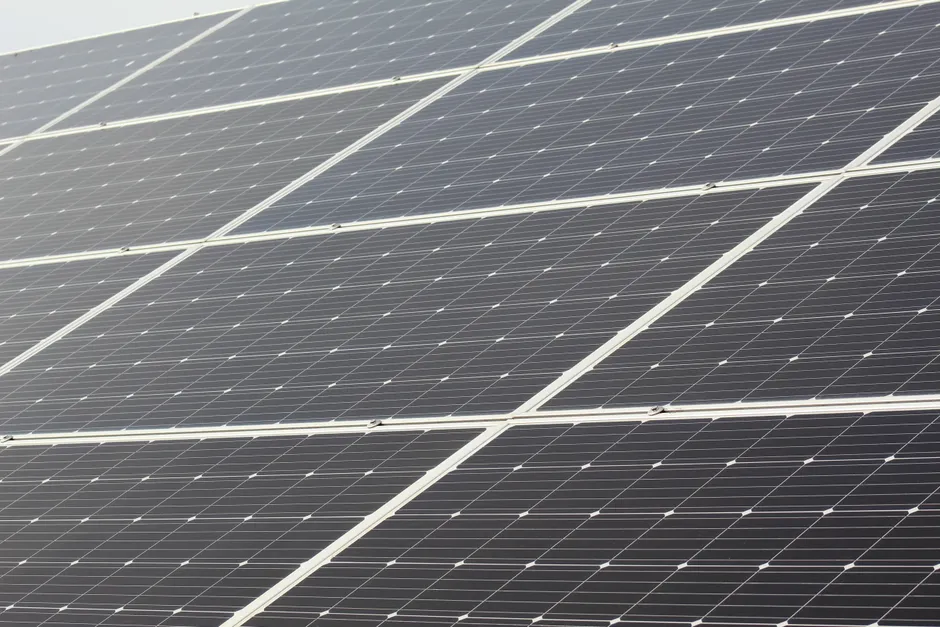
The company's first job is solar farm construction. Gritt's robots unload large glass solar panels, carry them to metal frames, and place them with extreme precision so human workers can bolt them down. A normal eight-person crew installs about 800 panels per day. With Gritt's robots helping, the same crew can install 3,000 to 4,000 panels per day, according to the company. Two systems are running now, and Gritt plans to grow to 48 systems within six months.
That growth plan is backed by real demand. Gritt is contracted to help install 2.8 gigawatts of solar panels over the next 18 months — enough capacity to power hundreds of thousands of homes. Its customers include three of the top 10 power construction companies in the US. The mix of investors, combining climate-focused funds with mainstream venture capital firms, suggests the company is seen as both a green energy project and a broader robotics business.
Gritt is not the only company working on this problem. Competitors include Luminous Robotics, Cosmic, and China's Trinabot, each trying to solve the challenge of placing heavy, breakable solar panels at a large scale. The field is still early, with no clear leader.
Gritt has said it wants to build robots for solar farms first, then expand to other construction tasks. The software-first approach could, in theory, work for any job that involves moving heavy materials in places that are not perfectly controlled. The open question is whether Gritt's technology can handle a wider range of tasks beyond solar panels, where the work is relatively predictable.
The strongest signal in Gritt's launch is that it has two systems already working in the field and a large backlog of contracted work. Most robotics startups at this stage have lab demonstrations but little real-world use. If the 5x speed improvement holds up across 48 systems, it could significantly reduce the cost and time of building large solar farms — an industry where finding enough workers and finishing projects on schedule are constant problems.
The main risk is whether Gritt can deliver on its plans. Going from two systems to 48 in six months is a very fast ramp. Robotics has a long history of machines that work well in testing but struggle when moved to different locations with different weather and conditions. The 2.8 gigawatts of work is contracted, but signed contracts and completed work are not the same thing. The number to watch is how many of those 48 systems are actually meeting the claimed speed in real conditions by early 2027.
For now, Gritt has a solid technical approach, real early progress, and enough money to test whether it can scale. The solar construction industry clearly needs what the company is building — faster panel installation with fewer workers — and no competitor has locked up the market yet.


