What Happened When Young Protesters Clashed with Police in India Over Exam Leaks

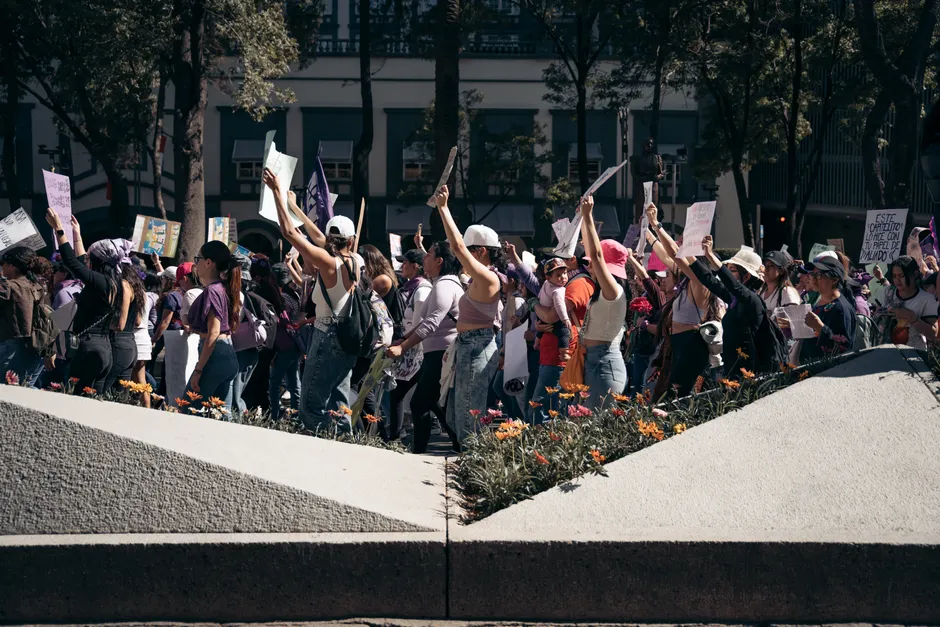
Thousands of young protesters from a group called the Cockroach Janta Party (CJP) clashed with police in New Delhi on July 20, 2026. They were trying to march on India's parliament to demand that Education Minister Dharmendra Pradhan step down over exam paper leaks — incidents where test questions are stolen and shared before the exam takes place. Police hit protesters with batons after they scuffled with officers, having been told they could not march. CJP founder Abhijit Dipke's whereabouts caused confusion through the day: the movement first said police had picked him up, then said he was not detained or arrested. Reuters Reuters
The protest happened at Jantar Mantar, a spot in central New Delhi set aside for demonstrations. Police had told the CJP they could not march to parliament, and when supporters broke through police lines toward the building, officers charged at them with batons. ABC News NPR
The CJP, started by Abhijit Dipke, is a movement led by young people focused on the problem of exam-paper leaks in India's competitive test system. Along with asking for Pradhan to leave his post, the party called for broader changes to education. The Hindu BBC
The group's name comes from the cockroach, known for being hard to get rid of. Supporters use the name to show they will keep going even under pressure. That idea was put to the test on July 20: despite being hit with batons and denied a march permit, the CJP said it would keep protesting. NPR
The mixed-up reports about whether Dipke had been detained show how confusing information can get during major protests in the capital. Reuters first reported the CJP's claim that Dipke had been picked up by police. Then Reuters followed with a second report saying the movement stated he was not in detention or arrested. Neither the Delhi Police nor the Home Ministry put out an immediate statement to clear things up in the verified reporting.
The broader context here is why these exam leaks matter so much in India. Government jobs there are highly sought after, and competitive exams are the main way people qualify for them. When a test paper is leaked, it does not just cause inconvenience. It damages trust in the testing system and in the idea that these jobs are awarded fairly, based on ability. Asking for a minister to resign takes the blame to the top of the system, rather than focusing on the lower-level workers where leaks usually start.
Pradhan, as Education Minister, is in charge of the National Testing Agency and other bodies that run these exams. By demanding his resignation instead of asking for behind-the-scenes fixes, the CJP is making a deliberate choice: to turn a system failure into a political problem for the governing coalition.
The police response at Jantar Mantar also carries meaning beyond this one day. Stopping people from marching to parliament is standard under Delhi's security rules, and using batons against protesters who break through police lines fits within normal crowd-control practice. But the image of police with batons facing young people who want accountability in education plays right into the CJP's message: that the system answers calls for change with force, not dialogue.
What we do not yet know is whether the CJP has the depth to keep going after a single day of action. Saying you will keep protesting is a promise, not a plan. Whether the movement can turn a visible day on the street into real political pressure depends on things the reporting does not yet cover — its funding, who leads it beyond Dipke, and whether it can organize across India's many coaching centers where exam hopefuls gather.
What we can confirm is that on July 20, 2026, a youth-led party drew thousands to the capital, clashed with police, got through a day of conflicting reports about its founder's freedom, and came out pledging to continue. The question now is whether that energy lasts beyond one news cycle.