Apple Is Changing How You Pay for Its Devices
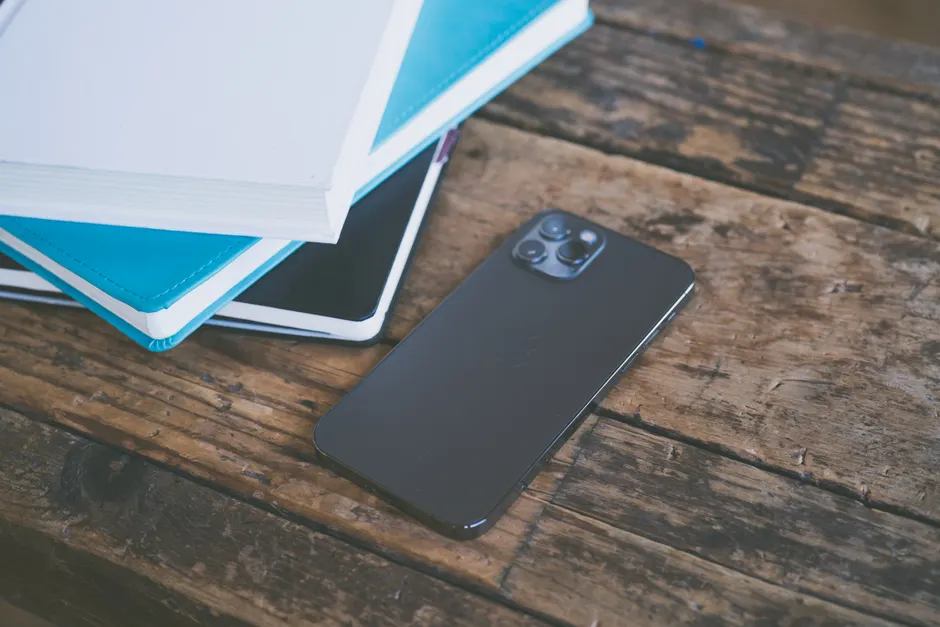
Apple is reportedly launching a new program called "Apple Upgrade" that lets you lease an iPhone, Mac, iPad, or Apple Watch instead of buying it outright or using traditional monthly payments. Klarna, a company known for its buy-now-pay-later services, is the financial backer. Bloomberg's Mark Gurman first reported the details, which were subsequently confirmed by The Verge on July 21, 2026. The program is slated to launch on July 28.
Apple Upgrade will replace the existing iPhone Upgrade Program and standard financing for new iPhones. Think of it like leasing a car: you make monthly payments for a set period, and when the lease is up, you choose among three options — upgrade early to a new device, keep the current device, or return it (The Verge).
The program will be available for most new iPhone, Mac, iPad, and Apple Watch purchases. Lease terms differ by product category: iPhones and Apple Watches will carry 24-month leases, while iPads and Macs will be on 36-month terms. Budget-tier devices are excluded from eligibility, specifically the base iPad, iPhone 16, Apple Watch SE, and MacBook Neo (The Verge).
One notable change from the outgoing iPhone Upgrade Program is that Apple Upgrade will not bundle an AppleCare subscription. The prior program folded AppleCare into its monthly payment; the new leasing structure separates device payments from protection plans, leaving customers to purchase AppleCare independently if they want it.
The choice of Klarna as the financial partner is a meaningful signal. Apple has historically handled consumer financing through Citizen's Bank for its iPhone Upgrade Program and Apple Card monthly installments via Goldman Sachs. Bringing in Klarna, a buy-now-pay-later specialist that has been expanding into broader consumer credit, suggests Apple is repositioning device financing from a bank-backed installment model to something closer to a managed lease with a fintech infrastructure layer. The soft credit check requirement — a quick check that doesn't affect your credit score — is consistent with Klarna's existing approach for its consumer credit products.
The shift from "financing" to "leasing" carries practical implications. Under a traditional installment plan, you own the device once payments are complete. Under a lease, the company providing the lease retains ownership unless you choose to keep the device at the end. Apple's three end-of-term choices (upgrade, keep, return) mirror how car leases work, where the value of the vehicle at the end of the term, usage conditions, and early-termination terms define the economics. Apple has not publicly detailed those value formulas or early-upgrade windows, so the precise cost-to-own math is unclear until launch.
The tier exclusions also tell a story. By leaving out the iPhone 16, base iPad, Apple Watch SE, and MacBook Neo, Apple is steering the leasing program toward mid-range and premium products where higher resale values make lease economics more predictable and where the upgrade cycle is a stronger selling point. A 36-month Mac lease on a higher-end configuration, for instance, aligns the payment period more closely with the replacement rhythm of a professional user, whereas a 24-month iPhone lease matches the annual-or-biennial upgrade cadence Apple has cultivated for years.
In my view, the removal of AppleCare from the bundled payment deserves attention. AppleCare has been a high-margin services revenue line for Apple, and decoupling it from the financing stream could go either way: it may reduce friction for price-sensitive customers who can now lease without paying for coverage they did not want, or it may simply shift AppleCare purchases into a separate transaction without materially affecting how many people buy it. The outcome will depend on whether Apple actively promotes AppleCare as an add-on at the point of lease signing or treats it as a post-purchase upsell.
For enterprise and IT procurement teams, the leasing model is familiar territory. Device-as-a-service programs — where companies pay a monthly fee per device and return or swap them on a schedule — have been a staple of corporate fleet management for years. What is new here is Apple applying the same logic to consumer purchases at scale, with a fintech partner rather than a traditional bank. If the program gains traction, it could shorten the effective replacement cycle for premium Apple devices and increase the volume of refurbished units flowing back through Apple's trade-in and resale channels.
The launch date of July 28 gives the program a runway ahead of Apple's typical September iPhone event, where new flagship models would naturally drive upgrade demand under the new lease structure.


