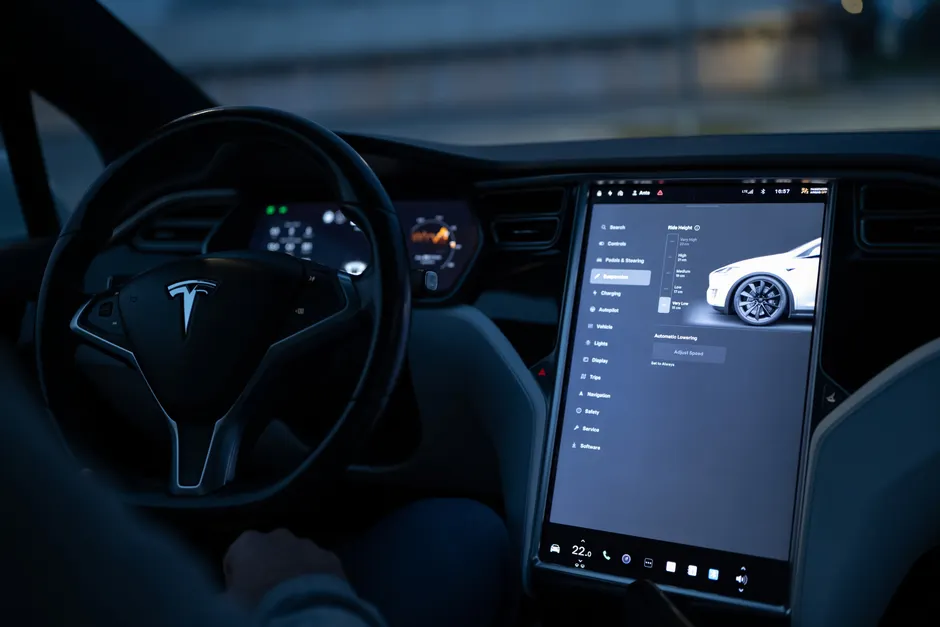
Tesla Starts Giving Robotaxi Rides in Two More Florida Cities

Tesla has started operating self-driving Model Y SUVs as robotaxis in Orlando and Tampa, Florida, according to reporting published July 21, 2026 by both TechCrunch and Reuters. The expansion comes one day before Tesla's scheduled Q2 2026 earnings call.
A robotaxi is a car that drives itself and gives rides to paying passengers, with no human driver behind the wheel. Tesla did not share any details about the Orlando and Tampa launches. The company closed its press office years ago and has no official media contact channel, so neither TechCrunch nor Reuters received a Tesla announcement, spokesperson statement, or local government attribution. TechCrunch's reporting notes that the areas where the robotaxis operate in both cities appear to be fairly small, suggesting this is an early test rather than a full-scale service.
The Florida expansion follows Miami, where Tesla launched its robotaxi service a few weeks earlier. Tesla's official support page (tesla.com/support/robotaxi) lists "limited areas of Miami, Orlando and Tampa" as active service zones. However, Tesla's main Robotaxi product page (tesla.com/robotaxi) names only Miami and Austin, leaving out Orlando and Tampa entirely. Tesla has not explained why the two pages say different things.
The Orlando and Tampa pilots are not Tesla's first multi-city robotaxi announcements. Earlier in 2026, before its Q1 earnings release, Tesla announced autonomous fleets in Dallas and Houston but has not yet grown those operations. On the Q1 2026 earnings call, Elon Musk gave more cautious comments about the robotaxi rollout than he had in the past. That was a shift from earlier claims: Musk had repeatedly said Tesla's robotaxis would serve half the U.S. population by the end of 2025. That deadline has passed, and that level of coverage has not happened.
The timing of the Florida expansion, landing the day before Q2 earnings, gives Tesla a concrete operational data point to bring up during the call, even if the service areas are limited and the company has not publicly described the deployments.
The competitive landscape is getting more crowded. Waymo, which already runs a commercial robotaxi service in several U.S. cities, announced in November 2025 that it would expand to Minneapolis, Tampa, and New Orleans (Reuters). Mobileye, a company that supplies driver-assistance technology to automakers worldwide, announced on June 16, 2026 that it plans to launch its own robotaxi business in the U.S. in 2027 (Reuters). Tesla's Tampa presence now overlaps with a city Waymo had already publicly targeted.
On the regulatory front, the U.S. Department of Transportation proposed a rule change in June 2026 that would remove the requirement for brake pedals in vehicles designed to be fully autonomous (TechCrunch). If the rule is finalized, it would benefit Tesla's Cybercab program, a separate two-seater vehicle designed specifically for autonomous rides. Tesla has been staging dozens of Cybercab vehicles in cities across the United States, though those vehicles are not the Model Y SUVs currently operating in the Florida robotaxi pilots.
The broader context here is that the gap between Tesla's robotaxi aspirations and its operational reality is narrowing but still wide. The company has gone from one Florida city to three in a matter of weeks, which is real progress. But the service area in each city is described as small, the Dallas and Houston announcements from earlier in the year have not grown, and the product page still does not list the newest two cities. For a service that was supposed to reach half the U.S. population by the end of last year, the gap between the original timeline and where things actually stand is substantial.
The competitive pressure adds a dimension that did not exist when Tesla was making its earlier, more sweeping promises. Waymo is already operating commercially in multiple cities and has publicly committed to Tampa. Mobileye is positioning itself to enter the robotaxi business. The field is no longer hypothetical, and Tesla is now moving into markets where other companies are already present or on their way.
For the Q2 earnings call, investors and analysts will likely push for specifics on fleet size, how many rides are being given, and the timeline for growing beyond the current pilot areas. Whether Musk keeps the more measured tone from the Q1 call or goes back to bigger promises will be a signal in itself.