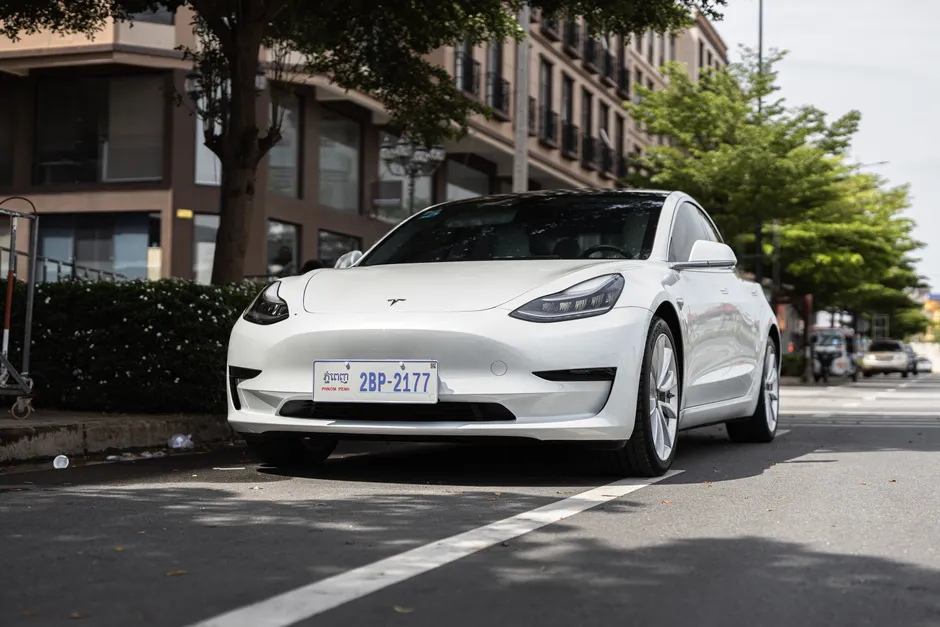
Tesla's Self-Driving Taxis Are Growing, But Elon Musk Is Pumping the Brakes
Tesla used its Q2 2026 earnings call to share an update on its robotaxi program, the company's effort to run fleets of self-driving taxis that carry passengers without a human driver. Elon Musk, though, took a noticeably more cautious tone than usual. Reuters reported the shift on July 23, 2026, a day after Tesla released its Second Quarter 2026 Update (Tesla IR).
Musk told analysts the program was adding new cities, accumulating more miles, and reaching more people with driverless vehicles. But his usual optimism was missing. Instead, he tried to lower expectations. "We're going as fast as humanly possible in scaling Robotaxi, while trying to ensure that we do not harm anyone at all and ideally do not even run over a pet," he said during the call (The Verge).
Ashok Elluswamy, Tesla's head of AI, shared the numbers. Tesla's driverless robotaxis have traveled 380,000 miles across six cities in two states. Musk said those miles were growing about 10 percent each week. Paying customers have now ridden 2.5 million miles in total through the end of Q2 2026 (Reuters, Business Insider).
Those numbers are still small compared to the competition. Waymo, the leading robotaxi company, drives about four million miles every week. Tesla's total after a full year was less than 10 percent of what Waymo does in a single week. BNP Paribas analyst James Picariello called Tesla's mileage situation "an alarming decline" in a note to clients (The Verge).
A crowdsourced Robotaxi Tracker cited by The Verge counted 16 driverless vehicles in Austin, four in Dallas, and one in Houston. Elluswamy said Tesla spread across different cities rather than packing all its cars into Austin. The goal was to show that its self-driving software works in new places without needing a lot of extra work for each city. Tesla launched its first robotaxis on the streets of Austin, Texas, according to an SEC filing from September 2025.
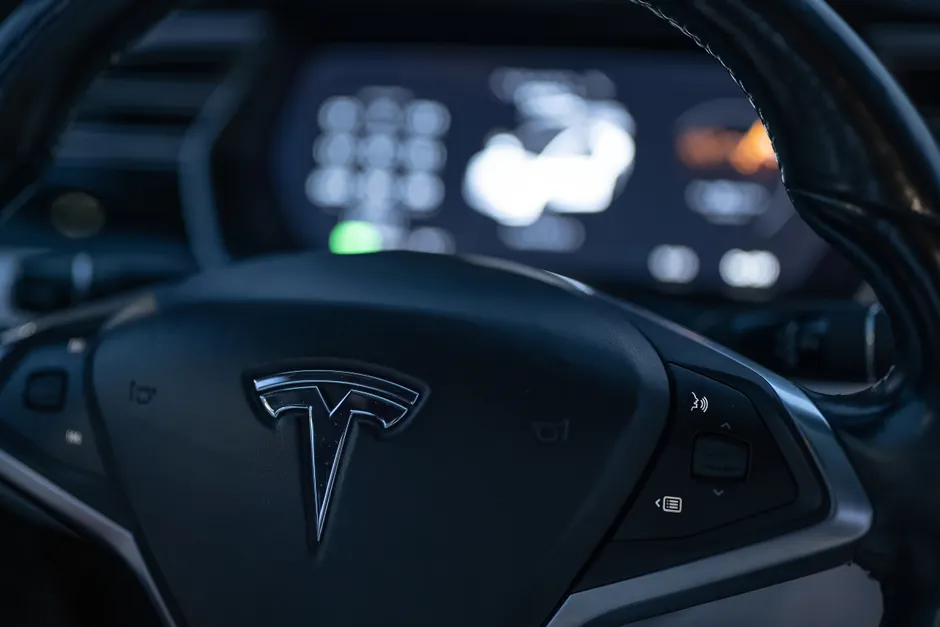
The biggest debate around Tesla's approach is about how its cars see the world. Most self-driving companies use a combination of sensors, including lidar, which shoots laser beams to measure distances and build a detailed picture of surroundings, and radar, which uses radio waves to detect objects and how fast they are moving. Tesla uses only cameras. Elluswamy said this proves that safe self-driving is possible with cameras alone. But that approach is now running into political trouble. New Jersey is considering a law that would effectively ban robotaxis that do not have multiple sensor types like radar and lidar. Morgan Stanley analyst Andrew Percoco raised the issue of state-level sensor rules during the call. Tesla VP of vehicle engineering Lars Morvay called the New Jersey situation "a little bit disheartening." (The Verge)
The robotaxi update came against a mixed financial picture. Tesla posted record Q2 2026 delivery numbers that beat Wall Street estimates, helped by a rebound in European sales (Reuters). The company produced over 450,000 vehicles in the quarter. But CFO Vaibhav Taneja said during the earnings period that Tesla will have negative free cash flow, meaning it will spend more money than it takes in, for the rest of 2026 (Reuters).
The deeper story here is the clash between Tesla's camera-only design and new state laws that may require multiple sensors. If New Jersey's bill passes, it would not just keep Tesla out of that state. It would set a legal precedent that using cameras alone is not enough for driverless cars. That is a very different kind of obstacle than simply needing more time to finish the technology.
There is also a gap worth noting between Tesla and Waymo. Growing 10 percent per week sounds fast, but when you start from a small number, it takes a long time to catch up to a competitor already doing four million miles a week. Tesla's plan has always been different from Waymo's. Instead of building a small, specialized fleet, Tesla wants to use the millions of cars already on the road plus a new vehicle called the Cybercab, which the company said in its Q1 2025 Update is scheduled for volume production starting in 2026. The Cybercab is the key to Tesla's business case for robotaxis: a vehicle built specifically to lower costs and increase the number of hours each car spends carrying passengers.
In my view, Musk's decision to lower expectations tells us more than the mileage numbers do. I have watched enough technology shifts cycle through hype, deflation, and eventual maturity to recognize that when a CEO famous for aggressive timelines starts citing pet safety as a reason to slow down, the engineering team is likely running into unusual driving situations that cannot be solved just by throwing more computing power at them. Tesla's camera-only approach has always been a gamble that software alone can match the safety of having multiple sensors that cross-check each other. That gamble is now being tested both on real roads and in state legislatures at the same time.
What is genuinely encouraging is that Tesla is expanding its driverless operations at all. Six cities across two states, with paying customers taking real rides, is measurable progress on a problem that has frustrated the auto industry for over a decade. The question is no longer whether the technology works in a basic sense. It is whether Tesla can scale it safely and legally without the extra sensors that competitors and some regulators consider essential.