Winning Goats at a Football Tournament: How One Indian Village Blends a Global Sport with Local Tradition
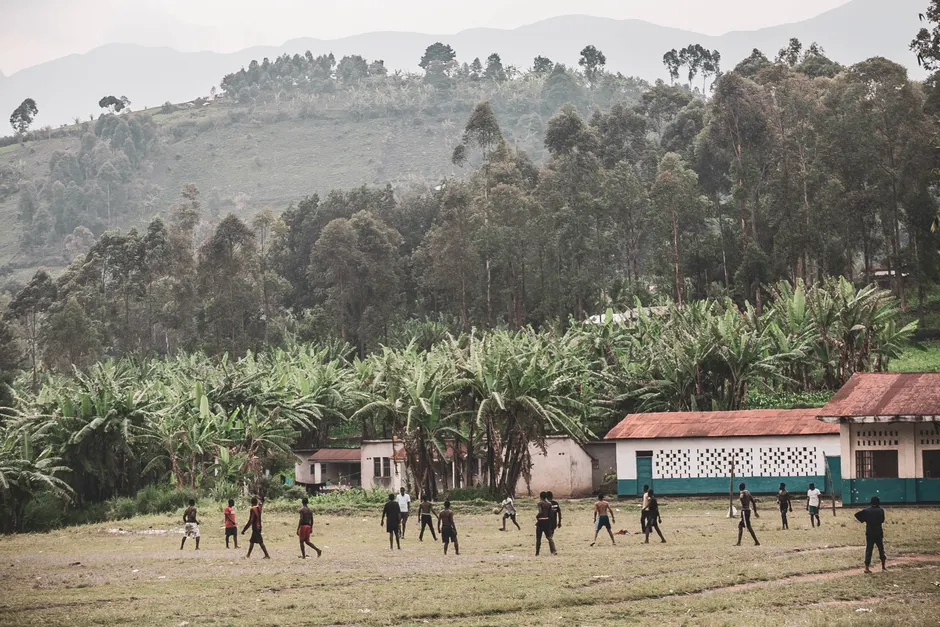
A village football tournament in eastern India ended on July 17, 2026, with the winning team receiving three goats and a small cash prize. The tournament combined the official rules of global football with a centuries-old tradition of the Ho people, a local tribal community. The event, called the Rangila Star Tirilbasa tournament, is now in its fifth year and drew teams from 64 villages across Chaibasa district in Jharkhand state. It was timed to match the FIFA World Cup schedule. Al Jazeera
In the finals, a team called NCS Maudi beat Kumbaram 1-0. NCS Maudi's captain, Sachin Devam, told Al Jazeera that the team arrived on motorcycles and scooters and would need an autorickshaw (a small three-wheeled taxi) to carry the goats about 10 kilometers (6 miles) home. They planned a "khassi picnic" to celebrate. The winners got 15,000 rupees ($156) and three khassi goats. The runners-up, Kumbaram, received 12,000 rupees ($125) and two goats. The third- and fourth-place teams each got 9,000 rupees ($93) and one goat. Other cash prizes for best player, best player of the tournament, and best goalkeeper did not include goats.
The tournament ran from July 14 to July 17 in Tirilbasa village, in Chaibasa district. The name "Rangila" comes from a Hindi word meaning "colourful." Even though the setting is rural, the organizers follow the official FIFA rulebook and bring in referees certified by the state football association, along with popular commentators. One of the organizers was 18-year-old Manish Kudada, a player from Tirilbasa, showing how young local people run the event.
The tradition of giving goats as prizes comes from the Ho community, a tribal group native to the Chaibasa area. The Ho people number just over a million across India. For them, khassi goats — castrated male goats — carry ceremonial meaning. They are used in religious sacrifices and rituals, and their meat is shared among community members. By making goat prizes part of a football tournament, the organizers have joined a sport played worldwide with a local tradition of sacrifice and communal feasting.
The broader context here is how community-level sports and indigenous cultural traditions can exist side by side in India's tribal districts. In these areas, government and institutional support is limited, but local organization can still be well-run and disciplined. Using certified referees and FIFA rules shows a desire for sporting legitimacy, while the goat prizes keep the event rooted in local culture. A khassi goat is at once livestock, a ritual item, and a trophy — a combination of meanings that no standard football trophy could carry.
The tournament's fifth edition also points to an impressive level of staying power for a village-organized event. Sixty-four participating villages is a large reach for a competition that, based on available reporting, has no corporate sponsor or state-level institutional backing. The prize money is small by professional sports standards but has real value in rural Jharkhand, and the goats carry cultural importance that money alone cannot match.
The Al Jazeera feature was reported and photographed by Shweta Desai, published on July 22, 2026.
What stands out is how this tournament shows football's ability to serve local identity. The sport came to India through British colonial rule and has usually been organized through city clubs and state associations. In Tirilbasa, it has been reshaped to serve different purposes: keeping Ho traditions alive, building social bonds between villages through competition, and giving young organizers like Kudada a chance to lead. The "khassi picnic" that NCS Maudi planned is not just a party after the game. It extends the Ho practice of sharing sacrificial meat among community members, now tied to a sporting win rather than a purely religious occasion.
By timing the tournament to match the FIFA World Cup, the organizers connect their small village competition to a global event. This gives players and spectators a feeling of being part of something worldwide, even though the prizes and rituals stay firmly rooted in Ho culture.


