Samsung's New Galaxy Watches: What's Different and What It Costs
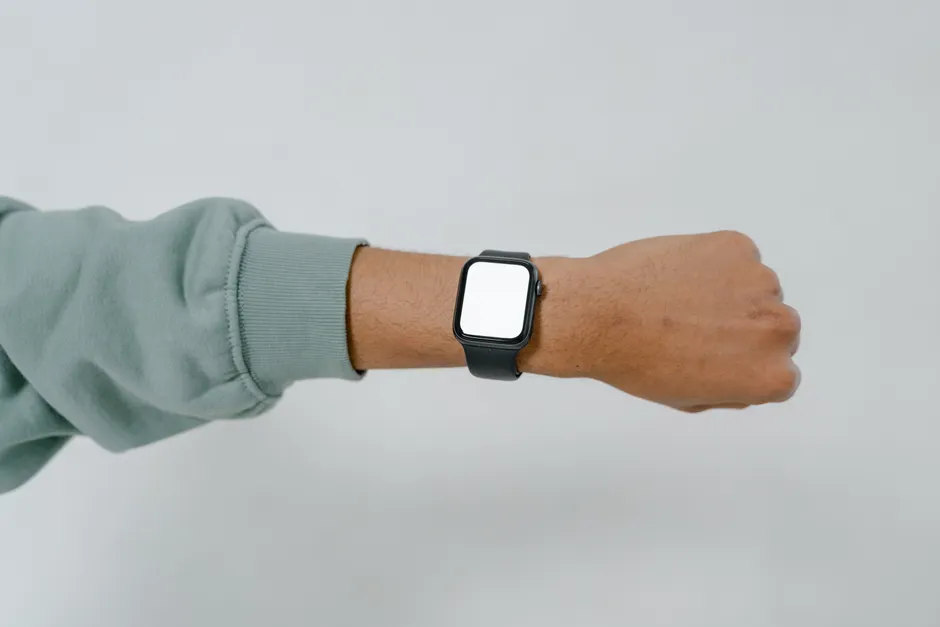
Samsung announced two new smartwatches on July 22, 2026: the Galaxy Watch 9 and the Galaxy Watch Ultra 2. The company also hinted at smart glasses under the name "Galaxy Ecosystem Into Everyday Eyewear." Both watches use a processor called the Snapdragon Wear Elite, made by Qualcomm. This is a change from Samsung's previous watches, which used Samsung's own chips. Qualcomm says the Snapdragon Wear Elite is designed specifically for smartwatches that use artificial intelligence. (The Verge)
The Galaxy Watch Ultra 2 costs $699.99, which is $50 more than the previous Ultra. Its battery is 35 percent larger, growing from 590mAh to 800mAh. The watch is also 12 percent thinner than before, at 10.7mm thick. The screen is brighter, reaching 5,000 nits, with thinner borders around the display. It carries high durability ratings for dust and water resistance, including certification for scuba diving use. (The Verge)
The standard Galaxy Watch 9 starts at $379.99, up $30 from the previous model. The smaller 40mm version has a battery that is about 20 percent larger than before. The larger 44mm version goes from 435mAh to 445mAh. Its screen reaches 3,000 nits. (The Verge)
Both watches run Wear OS 7, the latest version of Google's smartwatch software. A new feature lets you talk to Google's AI assistant, Gemini, by simply raising your wrist. You do not need to say a wake word first. The Ultra 2 adds trail running features that let you download route files for turn-by-turn GPS navigation and elevation guidance. A diving app made by scuba equipment company Mares is expected later in 2026. (The Verge)
Samsung also redesigned the watch straps. The Ultra 2's strap is about 1.9mm thick, roughly 1mm thinner than before and softer to the touch. (The Verge)
Samsung's press release calls the watches "Your Health Companion on the Wrist." The company launched a feature called Health Assistant Beta on July 21, 2026, describing it as the "First Fully Integrated AI-Powered Personal Health Assistant." Samsung teased the watches on July 14 with an article titled "Coming Soon: A New AI-Powered Health Companion on Your Wrist." The event invitation went out July 8 with the tagline "A New Shape Unfolds." (Samsung Newsroom)
The switch from Samsung's own chips to Qualcomm's is a notable change. Samsung had used its own chips in recent Galaxy Watch models. Switching to the Snapdragon Wear Elite means Samsung's watches now share a common chip with other smartwatch makers, which could make it easier for app developers to build software that works across different brands. The trade-off is that Samsung gives up the advantage of having unique chips that competitors cannot match.
The battery improvements are large and address the most common complaint about smartwatches: short battery life. A 35 percent increase on the Ultra 2 could push it close to lasting multiple days even with heavy GPS use. The fact that Samsung made the watch thinner while fitting a larger battery suggests better use of internal space or a more efficient chip.
The price increases are small compared to the hardware upgrades, but they enter a market where Apple and Garmin offer watches across a wide price range. Whether buyers will pay the extra $30 or $50 depends on whether the Health Assistant Beta and Gemini integration actually prove useful in daily life. Samsung is betting that AI health coaching, rather than more sensors, will be what sets these watches apart.
It is also worth noting that Samsung announced smart eyewear at the same event. The "Galaxy Ecosystem Into Everyday Eyewear" name suggests Samsung wants to go beyond the wrist. Many companies have spent years and large sums trying to build smart glasses that people actually want to wear, without much success so far. If Samsung pairs a health-focused watch with smart glasses, the two products could support each other. Or the glasses could divert attention from the watch line, which is already well established. The announcement does not include enough detail to tell which is more likely. (Samsung Newsroom)
For app developers, the key changes are a new Qualcomm chip, Wear OS 7 with wrist-raise voice control, trail navigation features on the Ultra 2, and a diving app coming later this year. For buyers, the proposition is simpler: longer battery life, thinner designs, brighter screens, and an AI health coach that is still being tested. The watches are real and the prices are set. The open question is whether the AI health features will be genuinely useful or just a selling point.


