First U.S. Troops Killed in the Iran War: What Happened and Why It Matters
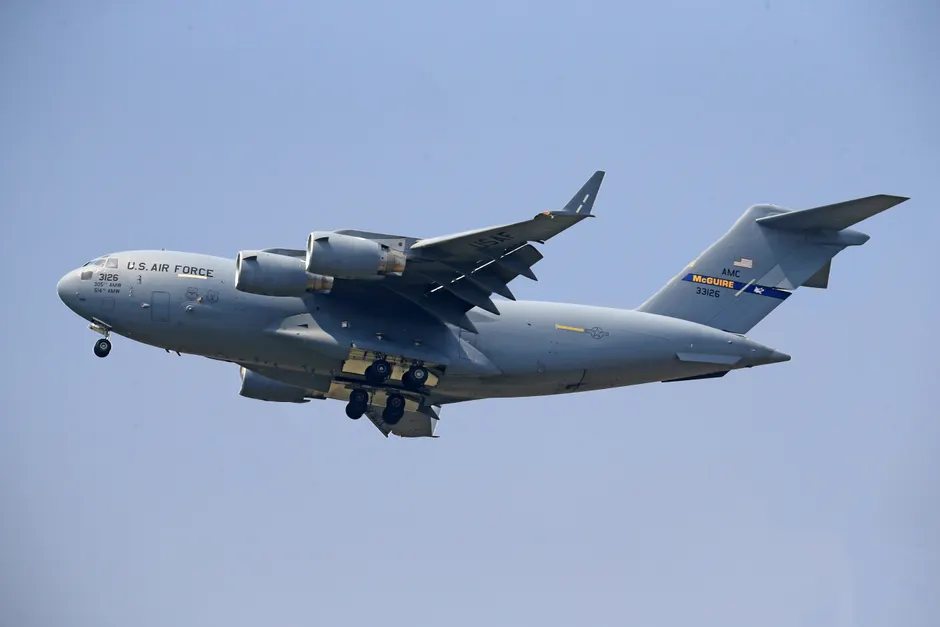
Three U.S. service members were killed and five others seriously wounded on March 1, 2026, during a military operation against Iran. The U.S. military command for the Middle East, known as CENTCOM, confirmed the casualties. These are the first acknowledged U.S. combat deaths in the war with Iran, according to a Pentagon announcement reported by The New York Times.
CENTCOM confirmed the toll the next day. A live update published by The New York Times on March 2, 2026, reported that three U.S. service members were killed and five were seriously wounded on Sunday, March 1. Turkey's state-run news agency, Anadolu Agency, independently reported the same numbers, also citing CENTCOM confirmation (Anadolu Agency).
The Pentagon's initial announcement, carried by The New York Times on March 1, noted that several of the wounded had suffered shrapnel injuries. Shrapnel refers to sharp metal fragments thrown outward when an explosive device detonates. The type of operation, the location inside Iran where the casualties happened, and the specific military units involved have not been made public. The conditions of the five wounded service members and how they were evacuated have also not been detailed.
Three separate news outlets, including one from Turkey, a NATO member country, all reported the same casualty numbers using CENTCOM's confirmation. That matters because in wartime, casualty figures are often delayed, revised, or even suppressed. Having an independent source outside the U.S. confirm the same numbers makes it less likely that the initial count is significantly wrong.
The broader context here is the path of the U.S.-Iran conflict itself. The first combat deaths of a war carry political weight that goes beyond the number of people lost. They test whether the public and political leaders will continue to support the war effort. They also give both adversaries and outside observers the first real evidence of how intense the fighting has become. In the U.S., the shift from zero combat deaths to confirmed casualties has historically led to a new phase of scrutiny from the public and from Congress, where questions about war goals, exit strategies, and troop safety become much sharper.
Shrapnel injuries among the wounded suggest the troops were exposed to some kind of explosion rather than just gunfire. This could be consistent with artillery fire, a drone strike, or close combat involving explosives. But without more details about the operation, the injuries alone cannot tell us whether this was an offensive raid, a defensive clash, or an attack on a fixed position.
CENTCOM's decision to confirm the casualties within 24 hours of the March 1 incident follows standard U.S. military rules, which require that families of the fallen be notified before any identifying information is released to the public. The confirmed reporting does not include the names, ranks, or military branches of those killed or wounded.
What remains unclear from the verified reporting is whether these casualties were a one-time event or the beginning of a more sustained pace of operations. The current phase of the U.S.-Iran war, how forces are positioned, and what the strategic goals are as of early March 2026 are not specified in the available sources. The confirmed facts tell us that U.S. forces are involved in operations that are producing casualties in connection with Iran, and that the military is publicly acknowledging them. But how broad those operations are and how long they are meant to last are questions the available reporting does not answer.


