Houthis Attack Two Saudi Oil Tankers — and Why It Could Shake Global Oil
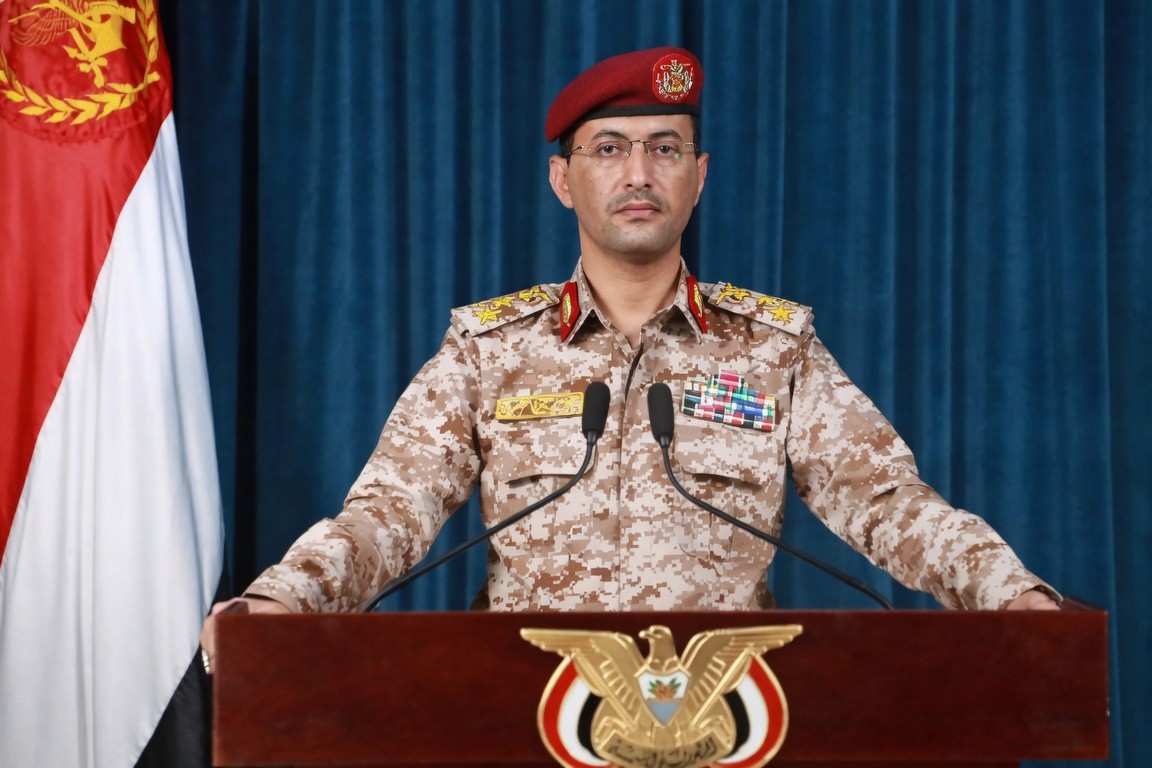
Yemen's Houthi rebels said they attacked two Saudi oil tankers in the Red Sea on Wednesday, 22 July 2026. This was the first time they put a newly announced shipping blockade against Saudi Arabia into action. Houthi military spokesperson Yahya Saree named the two vessels as the ENCELA and the LAYLIA, saying they were hit "using a number of ballistic and cruise missiles, as well as drones" near the port of Hodeidah Al Jazeera.
Saree said the tankers were targeted "for their violation of the blockade decision issued by the armed forces." The blockade was announced on 20 July 2026, two days before the attacks. It came after Yemen's internationally recognized government bombed a Houthi-controlled airport in the capital, Sanaa, to stop an Iranian plane from landing. The Yemeni government is backed by Saudi Arabia. The Houthis are described by Al Jazeera as "Iran-aligned." In other words, Yemen's civil war is also a proxy fight between Saudi Arabia and Iran.
The United Kingdom Maritime Trade Operations (UKMTO), a group that monitors shipping safety, said it received a report of a tanker being hit. "The master of a tanker reports being struck by an unknown projectile which has caused a fire onboard that the crew are currently fighting," UKMTO stated. Saudi Arabia had not commented on the Houthi claims at the time of the Al Jazeera report.
The impact went beyond the two struck vessels. Two other oil tankers carrying Saudi crude turned around in the Red Sea after the attack Al Jazeera. Their U-turns show an immediate disruption to Saudi oil shipping through a route the Houthis can now threaten.
This campaign is different from the Houthis' earlier Red Sea attacks. The group had paused its attacks on commercial ships near the Bab al-Mandeb strait — a narrow waterway connecting the Red Sea to the open ocean — after a Gaza ceasefire was announced in October 2025. That earlier campaign was framed as solidarity with Gaza and targeted ships the Houthis linked to Israel or its allies. The current escalation is aimed at Saudi Arabia specifically and stems from the Yemeni conflict, not the broader regional situation.
The wider picture makes this more serious. Al Jazeera reports that the Strait of Hormuz — a narrow shipping lane at the exit of the Persian Gulf through which about a fifth of the world's oil passes — has been "effectively closed" since Israel and the United States launched a war on Iran in late February 2026. With Hormuz shut, the Red Sea route matters more for Gulf oil exports. A Houthi blockade on Saudi shipping through the Red Sea, on top of the Hormuz closure, squeezes the flow of Gulf oil to the world from two directions at once.
The Houthis used a mix of ballistic missiles, cruise missiles, and drones against moving ships at sea. Saree's statements are usually released on a Telegram channel called "Yemeni War Media Videos," which has previously carried Houthi claims of attacks on vessels including the Greek-owned carrier Tutor and the US Navy destroyer USS Mason.
Some details remain unclear. The Houthi claim names two tankers, but UKMTO's report mentions only one vessel hit by an "unknown projectile." It is not yet clear whether UKMTO's account refers to one of the two named ships or to a separate incident. Saudi Arabia has not spoken publicly, so no independent confirmation or damage assessment is available.
The broader context here is a step-by-step escalation that is getting harder to reverse. The Yemeni government bombed its own airport to block an Iranian plane. Two days later, the Houthis declared a blockade. Two days after that, they struck the tankers. Each step reduces the room for both sides to step back. The Houthis chose to act on their blockade quickly, rather than leaving it as a warning.
The questions that matter next are whether the Houthi blockade will target any ship carrying Saudi oil, not just Saudi-owned vessels, and whether the two tankers that turned around are the start of a larger exit from the route. The Houthis have shown before that they can sustain such threats. What is different now is that the target is Saudi Arabia specifically, and the other main route for Gulf oil exports through Hormuz is already closed.


