A Police Shooting in Madison: What Happened and Why People Are Worried
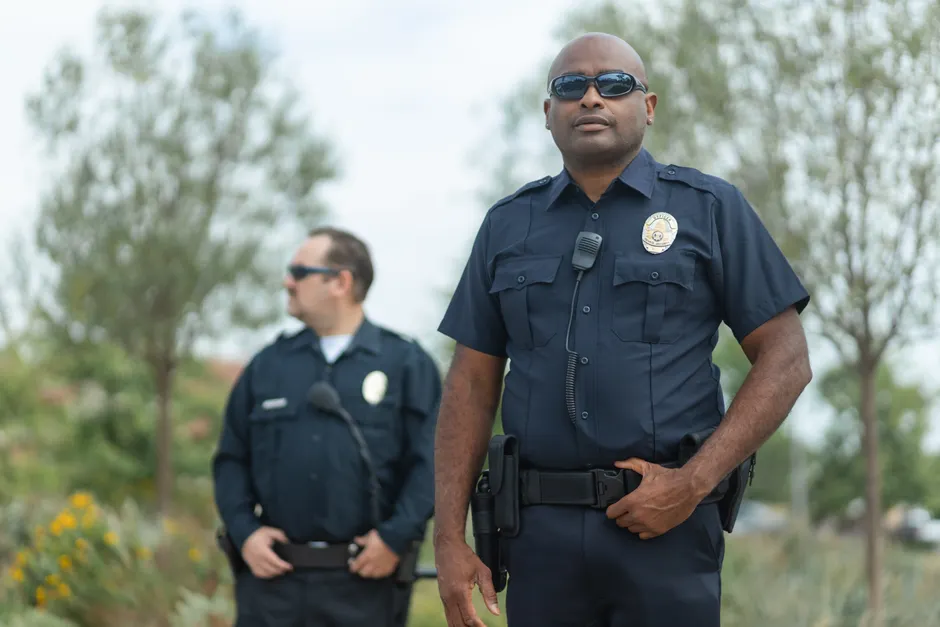
A police officer in Madison, Wisconsin shot and killed a man on Wednesday, July 22, 2026, during an attempted arrest on the city's near east side, according to Police Chief John Patterson (Milwaukee Journal Sentinel). The shooting happened on Williamson Street, less than two miles from the Wisconsin state capitol (WPR; The Guardian).
Patterson spoke about the shooting at a news conference near Madison Fire Station 3 at about 3:45 p.m. that day (City of Madison). He said the man who died was in his 30s, but he did not release his name. Police also did not say the race of the officer who fired or the race of the man killed. Black community advocates in Madison, including Brandi Grayson of Urban Triage, said the man killed was Black (The Guardian).
Patterson said officers were responding to calls that someone was trying to get into parked vehicles in the neighborhood. The suspect ran away on a bike through nearby backyards before officers caught up with him in the street. According to Patterson, the suspect pulled out a knife and injured an officer during a struggle. The officer who fired the shots had been hurt by the knife, Patterson said. That officer was described as a veteran of the police force, but his name was not released. A second officer was also injured, though Patterson did not say how. The other two officers involved were not hurt.
Someone recorded the incident on a cellphone. The video shows three officers holding the man down before one officer fired three shots at close range. Sabrina Madison, the Madison city council president, called the videos "both disturbing and painful" and said she expects a full, comprehensive, and transparent independent investigation.
The Wisconsin Department of Justice will investigate the shooting. This is standard practice in Wisconsin whenever a police officer is involved in someone's death. A crowd gathered near the scene on Wednesday, chanting "Arrest the cops!" (The Guardian).
The location has a painful history. In 2015, a white Madison police officer shot and killed Tony Robinson, who was biracial, on the same street. The district attorney in that case did not file charges against the officer. That shooting led to protests, more scrutiny of the department's use-of-force rules, and ongoing activism about racial disparities in policing in Wisconsin's capital city.
The Associated Press contributed to The Guardian's reporting.
Williamson Street, where both the 2015 and 2026 shootings happened, is in a densely populated residential area. It has seen demographic changes and rising housing costs over the past two decades. It is also very close to the state capitol, which community organizers have used in the past to draw political attention to policing outcomes.
Patterson's decision not to release the names of the deceased or the officer who fired follows standard practice during the early phase of an investigation, especially one that has been handed to an outside agency. Because the Wisconsin Department of Justice is handling the investigation, the Madison Police Department does not control the factual record of the shooting. However, the department still makes its own decisions about the officers involved, such as whether they stay on duty.
The cellphone footage could matter in several ways. The video shows three officers trying to hold the man down before the shooting. That raises questions about whether lethal force was necessary, given how many officers were present and what kind of threat the man posed. The footage could also shape public response in ways the 2015 Robinson case did not, because bystander video was not common in Madison at that time.
Council President Madison made her public statement before the state investigation has produced any findings. That suggests elected officials are getting ahead of the process, demanding transparency rather than waiting for the investigation to run its course. Grayson's identification of the deceased as Black, ahead of official confirmation, shows that community networks are sharing information on their own, outside of police channels. This has been a pattern in how communities respond to police shootings nationally since at least 2014.
The broader context here is that two big questions remain. First, will the state investigation produce findings that satisfy the people demanding transparency? Second, will the cellphone video confirm or contradict the story Patterson told at his news conference? The answers could determine whether this becomes a larger flashpoint. Given the history of Williamson Street, the community's trust in police is very much on the line.


