What's Happening With the Wave of Violence Across Nigeria?
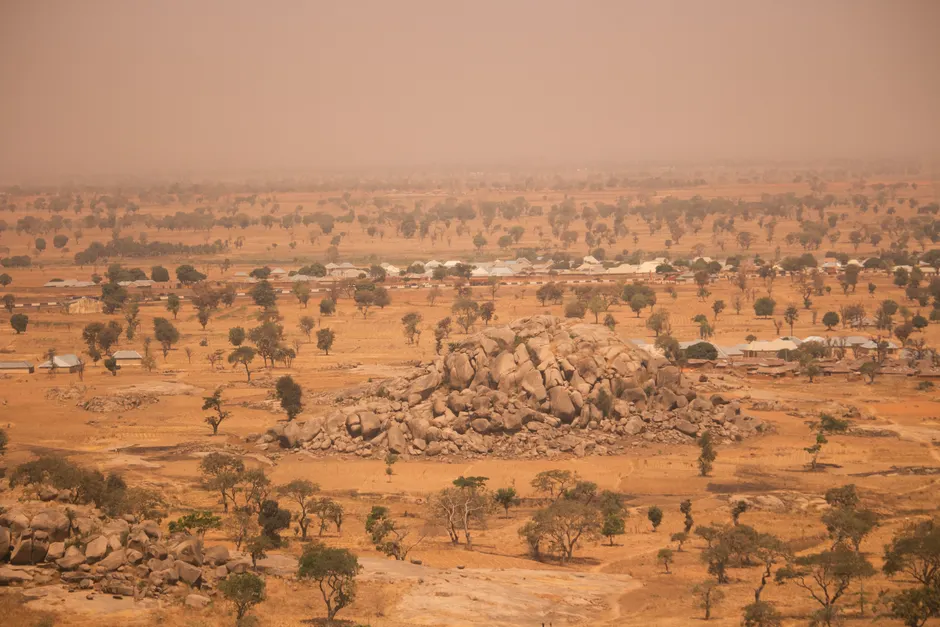
Armed gang members killed at least 20 people in an attack on several villages in Zamfara State, northwest Nigeria, according to the AFP news agency. The attack hit communities in the Talata Mafara area, a place that has seen this kind of violence many times before.
Nasiru Lauwali, a local representative for the Sauna district, told AFP that a large number of bandits invaded the communities. The AFP report was published from Gusau, Nigeria, on July 23, 2026, and was republished by Al Jazeera. The death toll may go up, because the affected villages are very remote and have poor phone and internet connections, making it hard to get accurate information.
The Zamfara attack came shortly after a separate incident on Tuesday, July 21, 2026, when Nigerian security forces killed at least three suspected bandits in Kwara State, according to The Punch news website. During that operation, forces rescued a businessman named Tuhkur Sanni.
The violence this month has not been limited to the northwest. Earlier in July 2026, dozens of students and teachers were freed after being held for 56 days. They had been kidnapped from three schools in Oyo State, in Nigeria's southwest. President Bola Tinubu's office said eight suspected kidnappers were arrested and an unknown number were killed during the rescue. Defence Minister Christopher Musa said the kidnappers had planned to use the hostages to pressure the government into releasing some of their commanders from prison.
The main reason behind these attacks is kidnapping for ransom, which means kidnappers hold people captive until they are paid money. In 2024, attackers in Nigeria earned more than $1.6 million in ransom payments, according to SBM Intelligence, a research firm based in Lagos. The Oyo case is especially notable because the kidnappers held people for nearly two months and seemed to want more than just money. They wanted prisoners released too, which suggests these groups are becoming more strategic in their demands.
The broader context here helps explain why this crisis keeps growing. Zamfara State has been the center of a conflict that brings together several problems: informal gold mining that funds armed groups, a weak government presence in rural areas, and tensions between farmers and herders over land and grazing routes. The violence has also spread beyond the northwest. In June 2025, more than 150 people were killed in Yelwata, in Benue State, many of them people who had already been forced from their homes by earlier violence and were sheltering there. That attack showed how this type of violence has moved into Nigeria's middle belt, where conflicts between farmers and herders add more fuel. Tinubu's office made a point of publicly announcing the Oyo arrests and killings, which appears to be an effort to show that the government is capable of responding. But the fact that large-scale attacks have continued in Zamfara, Kwara, and Benue within roughly 13 months suggests the security forces still cannot prevent them.
Looking ahead, two things are worth watching. First, if more armed groups start using kidnapped hostages to demand prisoner releases rather than just money, it would change how the Nigerian government has to negotiate with them. Second, the attacks are spread across a huge area, from Zamfara in the northwest to Kwara in the center to Oyo in the southwest, which means these groups can travel hundreds of kilometers across different regions with different levels of security. Nigeria's military has announced many offensives, but the money from ransom payments and the difficulty of policing remote rural areas keep these armed groups going.