What Happened in Southern Thailand: A Deadly Checkpoint Attack and Why It Matters
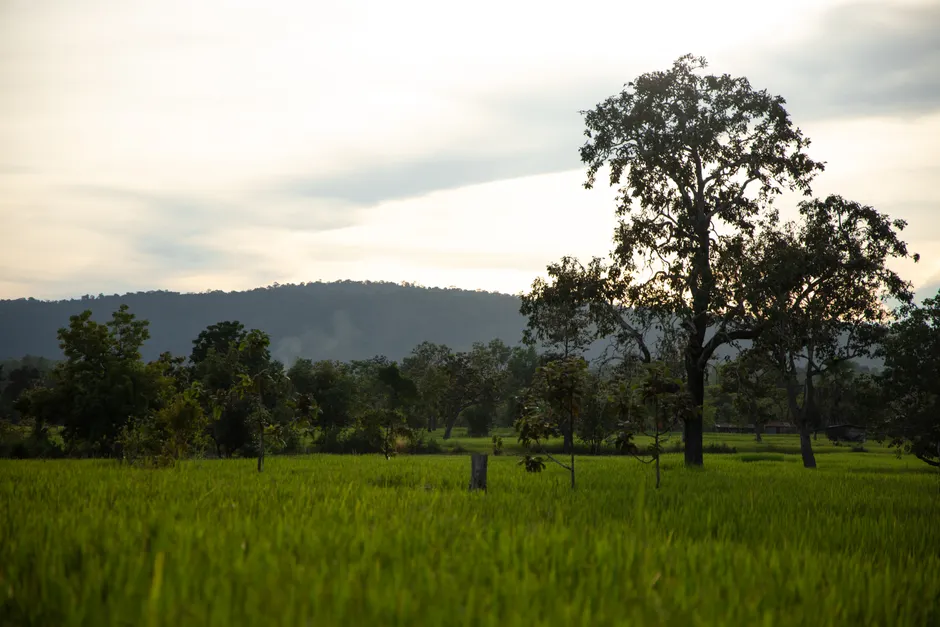
Five Thai soldiers were killed and six civilians wounded on the evening of July 22, 2026, when around ten attackers stormed a security checkpoint in Narathiwat, a province in southern Thailand (Al Jazeera).
The attackers wore black and black brimmed hats. They arrived in a pickup truck and on motorcycles, then opened fire and threw pipe bombs at soldiers from Task Force Ranger Regiment 45, who were stationed at the checkpoint near a residential area (AP News). The Nation reported six attackers (The Nation); Al Jazeera said about ten. The difference likely comes down to how hard it is to count people during a chaotic armed attack.
Before fleeing, the attackers stole three AK-47 rifles, three bulletproof vests, and several mobile phones from the checkpoint. Security forces later found the attackers' pickup truck abandoned and set on fire about 21 kilometers away (Al Jazeera). As of July 23, no group had claimed responsibility and no arrests had been made.
Thailand's Internal Security Operations Command Region 4 (ISOC Region 4), the military body that oversees security in the area, issued a formal statement honoring the five soldiers killed (Pattaya News/Facebook). Thai government spokeswoman Rachada Dhnadirek called the assault an act of "terrorism" and "a serious threat to national security" (Al Jazeera).
The number of wounded civilians also varied between sources. Al Jazeera reported six civilians wounded; The Nation reported five (The Nation).
The checkpoint attack came just one day after a car bomb exploded outside the former Tanyong police station in Narathiwat on July 21, wounding a police officer. According to The Nation, it was the first car bombing in Thailand's southern border region in 2026 (Al Jazeera). Two attacks in the same province within 24 hours suggest a deliberate campaign, though no group has claimed responsibility, making it too early to blame any specific faction.
To understand why this is happening, it helps to know the background. Narathiwat, along with Pattani and Yala provinces, is home to Thailand's ethnic Malay Muslim population. These three provinces, often called the "deep south," have been at the center of a separatist conflict — a fight by rebel groups seeking to break away from Thai rule — since 2004. More than 7,000 people have been killed over two decades (Al Jazeera).
The main rebel group, the Barisan Revolusi Nasional (BRN), has been in formal peace talks with the Thai government. Those talks were expected to resume in June 2026. Whether this week's violence will affect that process is unclear. What is clear from the attack itself is that it was well-planned: the attackers moved in coordination, used both guns and homemade explosives, stole weapons on their way out, and burned their getaway vehicle to destroy evidence. These are signs of an organized rebel force, not a random act of violence.
The broader context here is a conflict that has survived many Thai governments and many attempts at peace. Neither heavy military crackdowns nor political dialogue has ended the fighting. The ISOC framework, which combines military, police, and civilian efforts under one command, remains the Thai government's main tool for managing the region. Checkpoint attacks are a common tactic in this conflict. They serve two purposes: they push government forces out of rural areas, and they supply rebels with weapons and gear. The theft of rifles and bulletproof vests at Buketa Sami follows this pattern exactly.
The timing is worth paying attention to. This escalation comes right after the first car bombing of the year and just weeks after peace talks were expected to restart. That raises the question of whether factions within the rebel movement who oppose negotiations are trying to undermine them. In groups like the BRN, the political leaders at the negotiating table do not always control what field commanders do on the ground. A rise in violence does not necessarily mean the BRN's leadership has decided to walk away from talks. It could also reflect internal pressure, breakaway factions, or an attempt to gain leverage before negotiations resume.
What happens next will depend in large part on how the Thai government responds. A military crackdown could trigger the cycle of revenge that has fueled this conflict since 2004. On the other hand, a faster push for dialogue, if the BRN leadership can deliver calm on the ground, could isolate those behind the Buketa Sami attack. For now, the five soldiers killed at the checkpoint join a death toll that has grown steadily for over two decades in one of Southeast Asia's longest-running conflicts.