A Russian Spy Was Working in Plain Sight in Tokyo. He Left After a Newspaper Exposed Him.
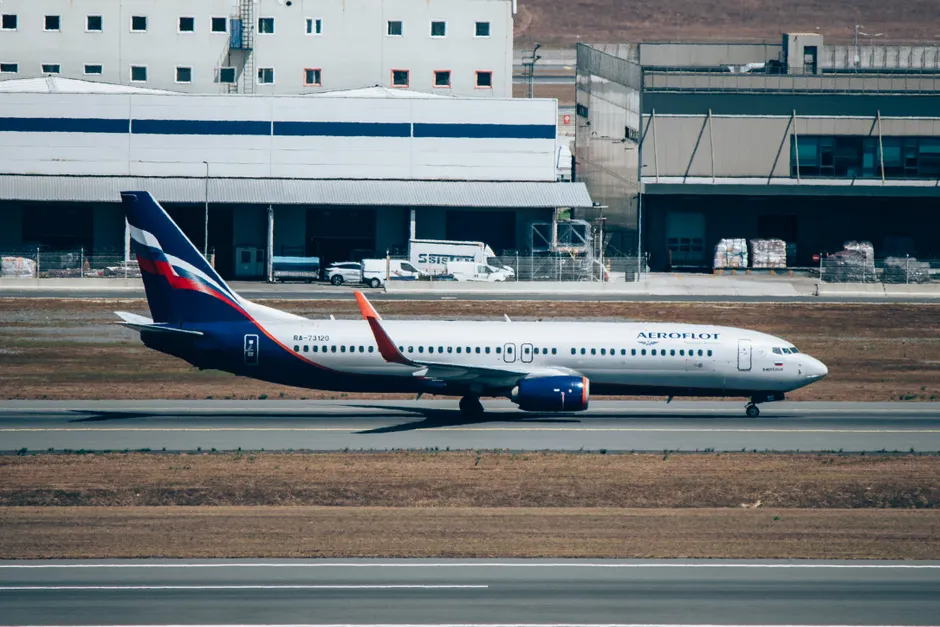
A Russian man identified by The New York Times as a spy working undercover in Japan left the country shortly after the newspaper published its investigation on July 12, 2026, according to a July 23 report by The Japan News (The Japan News).
The Times investigation, published July 12 and dated July 13, 2026, named the man as Filchenkov. It reported that Russian spies were working at the Tokyo office of Aeroflot, Russia's government-owned airline. The report said the office was secretly being used to buy Japanese technology for Russian missiles, drones, and other weapons (The New York Times). Euromaidan Press, a news outlet, reported similar findings the next day (Euromaidan Press).
The GRU is Russia's military intelligence service. It sends officers abroad to gather information and acquire materials, often by having them pretend to work regular jobs at companies. This is called "working under cover."
One detail from the Times investigation stands out: the Aeroflot office in Tokyo is about a ten-minute walk from the headquarters of Japan's National Police Agency, the organization responsible for catching spies in Japan (The New York Times). That means the people in charge of stopping Russian spying were practically neighbors with an alleged Russian spy operation.
The Guardian, a British newspaper, published an explainer on July 14, 2026, reporting that Japan has long been a target for Russian espionage. It cited a report from the Japanese publication Nikkei Business, dated August 2022, estimating that about 120 Russian intelligence officers were operating in Japan at that time (The Guardian). A separate Guardian piece that same day covered the Aeroflot cover detail (The Guardian).
The timeline moves quickly. The Times named Filchenkov on July 12. The Guardian published its explainer on July 14. By July 23, The Japan News reported that Filchenkov had left Japan. When a spy's identity is revealed publicly, staying in the country no longer helps their mission and puts them at risk of arrest. Leaving is the expected next step.
Japan has a unique role in the effort to pressure Russia. After Russia invaded Ukraine, many countries imposed sanctions, which are penalties meant to restrict trade and weaken Russia's economy. As a member of the G7, a group of seven major economies, Japan joined these restrictions, including limits on selling technology to Russia that could be used for weapons. But Japan is also one of the world's top producers of advanced electronics and computer chips, the exact type of goods the Times investigation says were being bought through the Aeroflot office. That makes Japan both a rule-enforcer and a prime target for Russian spying.
The broader context here is how Russian military intelligence has used ordinary-looking businesses to keep weapons supply chains running for the war in Ukraine. The GRU has a long history of placing officers in fake roles as diplomats, journalists, or business employees. The Aeroflot angle fits that pattern: a government-owned company providing a workplace for someone whose real job is secretly buying weapons technology, not selling airline tickets.
The Nikkei Business estimate of about 120 intelligence officers came from August 2022, nearly four years before the Times investigation. Whether that number has gone up, gone down, or changed in other ways is not clear from the available reporting. What the Times investigation does show is that at least one named GRU officer was working in Japan under a business cover as recently as July 2026, and that the alleged buying channel ran through an office located right down the street from Japan's own spy-catching agency.
Filchenkov's departure closes one thread of this story. The Aeroflot office, the wider network of Russian intelligence personnel in Japan, and the question of whether Japanese authorities will go after other operatives remain open.


