This App Doesn't Lock Your Phone — It Distracts You Into Better Habits
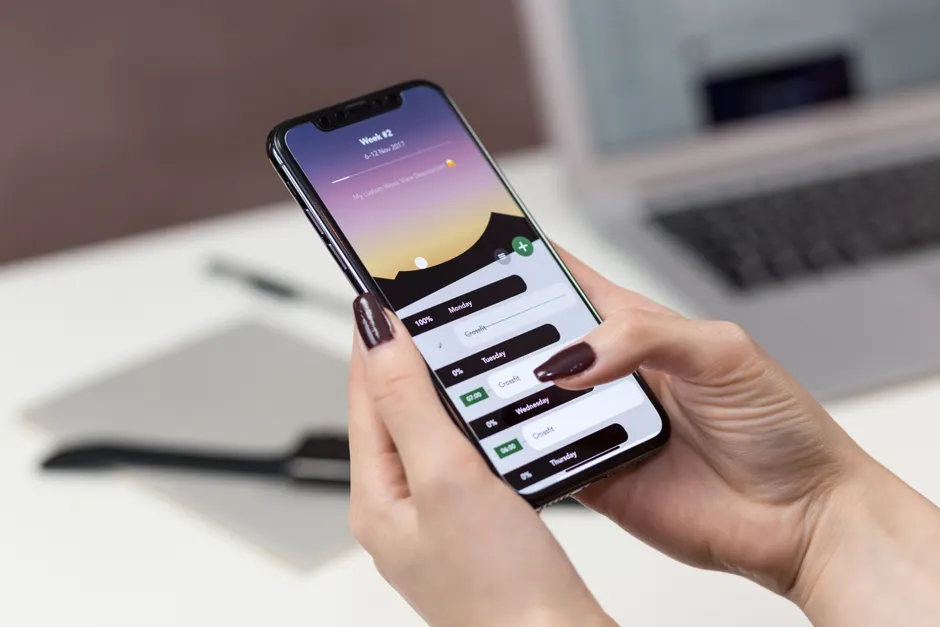
A new iPhone app called MeBeMe launched on July 22, 2026. It takes a different approach to the screen-time problem: instead of blocking you from using your phone, it interrupts doomscrolling with small, real-world tasks designed to build good habits. TechCrunch
The app was created by Eric Wolfram, who originally built it for his son. Wolfram's philosophy is simple: "Small actions, repeated over time, shape who you are. Becoming who you are is a lifelong project."
Users start by picking an identity they want to grow into — "lifelong learner," "classics reader," "chess player," and so on. MeBeMe then sends notifications with quick tasks related to that identity. The idea is that instead of locking you out of apps, the app offers a small, useful prompt and hopes you will choose that over going back to scrolling.
MeBeMe offers more than 75 identities across four categories. Mind includes mathematician, scientist, historian, and chess player. Body covers athlete, dancer, cyclist, and runner. A relationships category and a home-based interests category round out the list, with the latter covering activities like cooking and gardening.
Users can pick multiple identities at once and choose how often they get notifications, from daily to occasional. A feature called "Break Your Scroll" uses Siri, Apple's voice assistant, to read notifications aloud. That means you do not even need to look at the screen to get the nudge.
On privacy, MeBeMe requires no account. All your data stays on your phone rather than being sent to a company's servers, and you can opt out of anonymous usage data sharing entirely. The app is free to download for iOS, with no ads and no subscription. An Android version is listed as coming soon.
The broader context here is worth considering. The screen-time and digital wellness category has been dominated by two approaches: apps that block access to other apps (like Apple's Screen Time or third-party app lockers) and dashboards that show you how much time you have spent on your phone. Neither has proven very effective over the long run. People tend to override the blockers or ignore the dashboards, and use of these tools drops off quickly after setup. MeBeMe sits in a different spot. It tries to redirect your behavior rather than restrict it, acting more like a gentle nudge than a locked gate.
The identity-selection feature is the more interesting design choice. It asks you to commit to a picture of yourself first, then gives you tasks that match that picture. This is a well-documented pattern in habit research: people are more likely to follow through on actions that reinforce an identity they have chosen than on actions that feel like chores. Whether MeBeMe can keep users engaged where other wellness apps have lost them is an open question, and the app's lack of any revenue makes that harder to judge. With no money coming in, there is no clear signal of how actively the product will be updated or maintained.
The on-device, no-account setup is a real advantage in a category where data collection has been a recurring source of concern. Several wellness apps have faced scrutiny over how they handle user data, and not requiring an account makes it much easier for people to just try the app.
Wolfram's personal origin for the app — building it for his son — fits the product's design, which feels like the work of one person with a clear point of view rather than a corporate team. The 75-plus identity catalog and the Siri-based "Break Your Scroll" feature suggest a level of care that is uncommon among wellness apps. But the lack of any way to make money from the app raises practical questions about how long it will be maintained and whether the promised Android version will actually arrive.
For anyone evaluating the app, the most interesting aspects are how it is designed rather than the technology behind it: data that stays on your phone, voice-based interruptions through Siri, and a model that tries to redirect your attention instead of cutting it off. The open question is whether this interruption approach can hold users' attention longer than the blockers and dashboards that came before it.