Why Two Blocked Shipping Routes Near the Arabian Peninsula Matter for the World

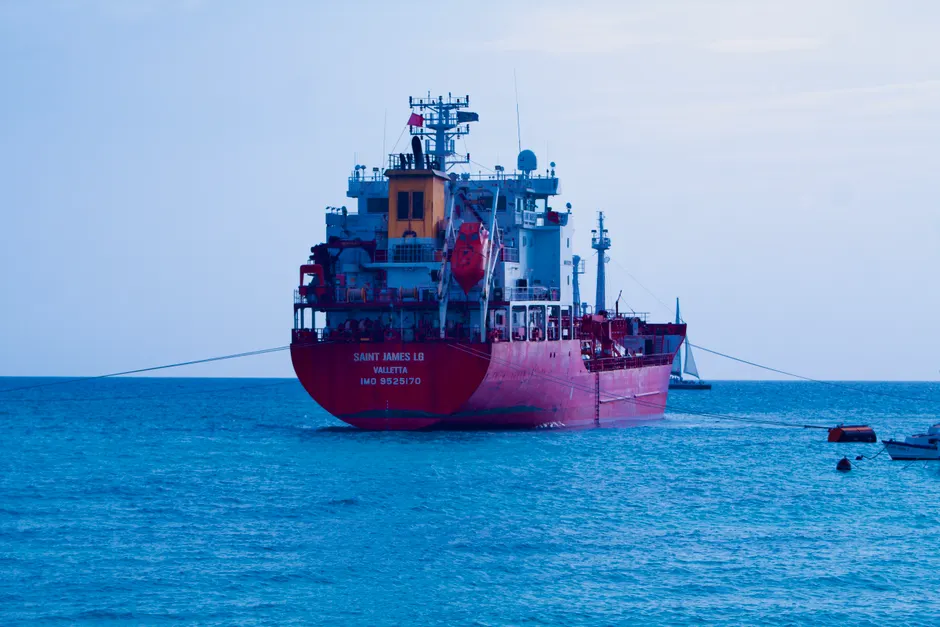
Fighters in Yemen called the Houthis have attacked two Saudi ships in the Red Sea and turned away at least ten more after warning shipping companies to stay away from Saudi ports, according to a BBC report from July 23, 2026. The Red Sea is one of the busiest shipping lanes in the world. It connects Europe to Asia through a narrow passage called the Bab El Mandeb Strait. Ship-tracking data cited by Reuters on July 22 showed more vessels changing course after the Houthi threats.
The Houthis, also known as Ansarullah, sent emails to shipping companies telling them not to load or unload cargo at Saudi ports or risk being attacked, Reuters reported on July 21. Their media outlet, Al-Masirah, called it a "maritime blockade imposed on the Saudi enemy in the Red Sea and the Gulf of Aden." Saudi Arabia condemned the blockade, according to Al Jazeera on July 21. Saudi Arabia confirmed that one of the tankers hit was on fire, Reuters reported on June 8.
To understand why this matters so much, it helps to picture the Arabian Peninsula as a large landmass with two narrow water gates — one at the top and one at the bottom. Ships carrying oil, fuel, and fertilizer must pass through these gates to reach global markets. Now both gates are under threat.
Iran has already closed the Strait of Hormuz, the northern gate, disrupting global energy and fertilizer supplies, the BBC reports. Saudi Arabia had found a workaround: sending oil by pipeline across the country to a port on the Red Sea, entirely bypassing the Strait of Hormuz. But that Red Sea port is exactly where the Houthi blockade now threatens shipping — at the southern gate.
The military situation is also growing. US Central Command has carried out twelve straight nights of air strikes against Iranian radar, drone, and missile sites along the coast, as of the BBC's July 23 report. President Donald Trump said he would "take care of the Houthis," per the BBC. According to Al-Masirah, the Houthis still have about 80 percent of their missiles capable of hitting American ships and other vessels.
The Houthi attacks on Saudi shipping follow an order from Iran. Iran told the Houthis to close the Red Sea gateway if the United States struck Iran's power network, Reuters reported on July 16, citing sources. That means the Red Sea blockade depends on what the US does elsewhere. The Houthis and Saudi Arabia had a ceasefire — a formal agreement to stop fighting — since 2022. By the time of the BBC's 2026 report, that truce appeared to have broken down, removing a barrier that had limited Houthi attacks on Saudi targets.
In terms of shipping volume, an average of 1,034 ships per month sailed through the Red Sea in March 2026, according to Reuters. Any lasting disruption to that number makes the Hormuz closure worse. Saudi Arabia's pipeline was built for exactly this kind of emergency, but the new threat at the Red Sea exit leaves the backup plan exposed. A sustained Houthi blockade would also stretch a US military already busy with strikes on Iranian infrastructure, Reuters reported on July 22.
The broader picture is that with both the Strait of Hormuz and the Red Sea under threat, the world could face a situation where oil, fuel, and fertilizer supplies are disrupted at both ends of the Arabian Peninsula at the same time. That would affect energy and food costs far beyond the region.