Why the Houthi Blockade on Saudi Ships Matters
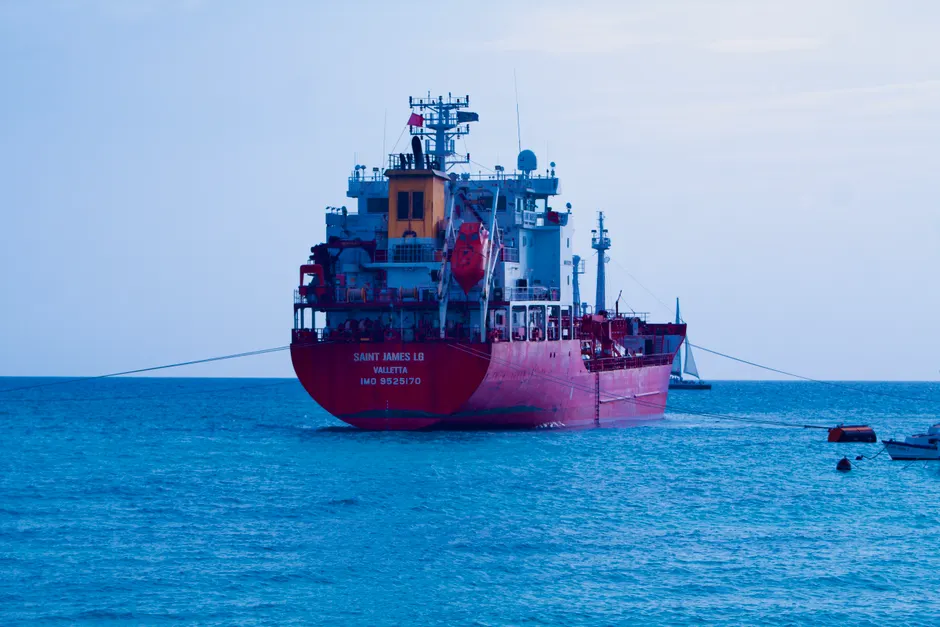
On July 20, 2026, a group in Yemen called the Houthis announced a naval blockade against Saudi Arabia. A naval blockade is when a military force tries to stop ships from passing through a specific area of the sea. The Houthis said they would target ships carrying Saudi exports through a narrow waterway called the Bab el-Mandeb strait, and that the blockade was effective immediately (Reuters).
The Bab el-Mandeb strait connects the Red Sea to the Gulf of Aden and is one of the world's most important routes for shipping oil (ABC News). Oil from the Persian Gulf travels through this strait on its way to the Suez Canal and European markets. By targeting Saudi ships in this corridor, the Houthis widened the threat to global oil supplies (NBC News).
The Houthis are a Yemeni armed group aligned with Iran. The blockade did not come out of nowhere. Four days earlier, on July 16, Reuters reported that Iran had asked the Houthis to be ready to close the Red Sea oil route if the United States attacks Iranian power infrastructure (Reuters). That request connects the blockade to the larger conflict between the US and Iran and suggests the Houthis may be acting as part of a coordinated strategy with Iran, not just on their own.
For Saudi Arabia, the blockade adds to an existing problem. Saudi Arabia exports a huge amount of oil, and most of it travels by sea. As of mid-July 2026, Saudi Arabia was already considering expanding a pipeline to its Red Sea coast to reduce reliance on another narrow waterway, the Strait of Hormuz, where Iran has historically exerted pressure (Reuters). Think of Saudi Arabia's pipeline plan as building a backup road in case the main highway gets blocked. But the Houthi blockade targets the backup road itself, meaning the detour Saudi Arabia was counting on is now under threat too.
The broader context here is that this is a Middle East where armed groups backed by larger countries, like the Houthis backed by Iran, have increasingly used disruptions at sea as a way to pressure their rivals. The Houthis have previously attacked commercial ships in the Red Sea. The July 20 declaration goes further by formally announcing a blockade against a specific country rather than making general threats. It also raises questions about whether other countries in the region will change their security arrangements, and whether the US Navy, which has a large presence in the area, will step up its escort of commercial ships.
One thing that remains unclear is how the Houthis would actually enforce the blockade. Their statement said it was effective immediately, but they have not specified which ships they will target, how they will identify ships carrying Saudi exports, or what force they would use. The gap between announcing a blockade and actually carrying one out is where the real risk to oil markets and shipping safety will appear or not.
The practical impact may come down to insurance. If shipping insurers and tanker operators take the declaration seriously, the cost of insurance for ships passing through the Bab el-Mandeb could rise sharply. That would raise shipping costs even if no ship is actually stopped. Saudi exports would bear the direct cost, but the higher insurance would apply to all traffic through the strait, creating a price increase that reaches far beyond just Saudi Arabia and the Houthis.


