ChatGPT Can Now See Your Medical Records. A Lawsuit Says That Nearly Killed Someone.

On July 23, 2026, OpenAI opened ChatGPT Health to everyone in the U.S. over 18, on every plan from free to Pro. The rollout came one day after a pastor in Florida sued the company, saying ChatGPT Health told him not to see a doctor, which delayed treatment for a life-threatening blood clot in his lung.
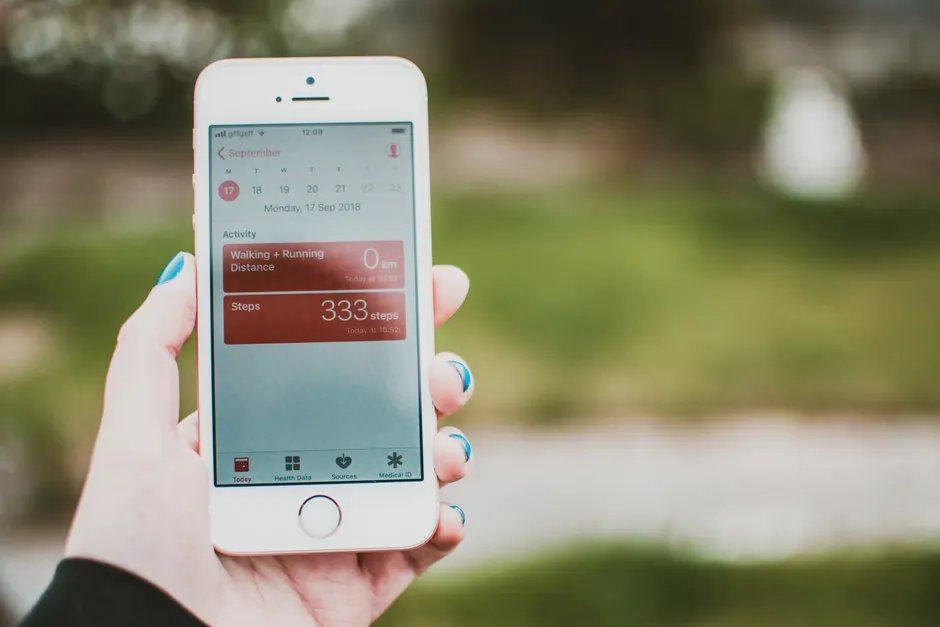
ChatGPT Health launched on January 7, 2026. It lets users connect medical records from systems like Epic and Oracle Health, health platforms like One Medical and Function Health, and wellness apps like MyFitnessPal, Apple Health, and Weight Watchers. Once connected, users can share doctor visit notes, lab results, medication lists, and data from fitness trackers with the chatbot. During testing that began in January, OpenAI found that 70% of health questions were asked in regular ChatGPT, not in the separate health section. That likely led the company to fold health features into the main chatbot rather than keep them apart.
As of July 2026, people are asking ChatGPT 300 million health-related questions per week, up from 230 million earlier. OpenAI's newest model, GPT 5.6-Luna, scores higher than the previous version on HealthBench, the company's own test for how well it handles health questions.
ChatGPT Health has its own memory system, separate from regular ChatGPT memory. Users can see and delete what it remembers through a "View Health Memories" page. OpenAI says it does not use ChatGPT Health data to train its models. All conversations are scrambled to protect them both while stored and while being sent over the internet, and health data gets an extra layer of protection. The chatbot asks permission before using health information to personalize answers.
OpenAI's terms of service say ChatGPT is not meant for diagnosing or treating any health condition. The company says the product "supports, not replaces, professional care."
That disclaimer is doing heavy lifting. The Florida lawsuit, filed around July 22, says ChatGPT Health told the plaintiff not to consult a doctor, which led him to delay treatment for a pulmonary embolism, a dangerous blockage in the lungs. The suit arrives just as OpenAI is opening the product to everyone, at a moment when the tool's purpose overlaps with medical decision-making even though its own terms say it is not for that purpose.
The gap worth noting here is between what OpenAI says publicly and what its executives say about the product's abilities. Ashley Alexander, OpenAI's vice president of health product, said the company's models are "now capable of reasoning at levels that are better than clinician level." Karan Singhal, OpenAI's health lead, softened that claim, saying "there have been individual studies that have been pointing in that direction." The distance between a marketing claim that the AI reasons better than doctors and a terms-of-service clause saying the product is not for diagnosis or treatment is not a small detail. It is the core tension of this product. The Florida lawsuit is the first legal test of whether that kind of disclaimer holds up when someone says they were harmed.
The privacy setup is more carefully built than the rollout timing might suggest. Keeping health memory separate from general memory, asking permission before personalizing, promising not to train on health data, and adding extra encryption for connected data sources each respond to specific concerns that privacy advocates raised at launch. In January, campaigners warned about the risks of giving an AI system access to full medical records. OpenAI's policies track closely to those concerns. Whether the actual product lives up to the promises is a separate matter that independent auditing would need to check.
The 300 million weekly health queries put the scale in perspective. That volume already exceeds what many national health information lines handle in a year. People were already asking ChatGPT health questions at a massive scale; the Health product formalizes the feeding of structured medical data into those conversations. The January launch and the July rollout are OpenAI's attempt to build proper infrastructure around behavior that was already happening.
In this author's view, whether that infrastructure is enough to handle situations where a chatbot meets a real medical emergency is exactly what the Florida lawsuit will force a court to examine. OpenAI's disclaimers may or may not hold up under product liability law. That is now a real legal question, not a theoretical one.
What ChatGPT Health genuinely enables, when it works as designed, is a single place to pull together medical records, fitness tracker data, and wellness app information into one conversation. For most questions, where the stakes are lower, that is a real improvement over the current world of disconnected patient portals and exporting records by PDF. The question is whether the product can reliably tell the difference between a routine question and an urgent one, and whether a disclaimer is enough when it cannot.