ChatGPT Can Now See Your Health Records — Here's What That Means
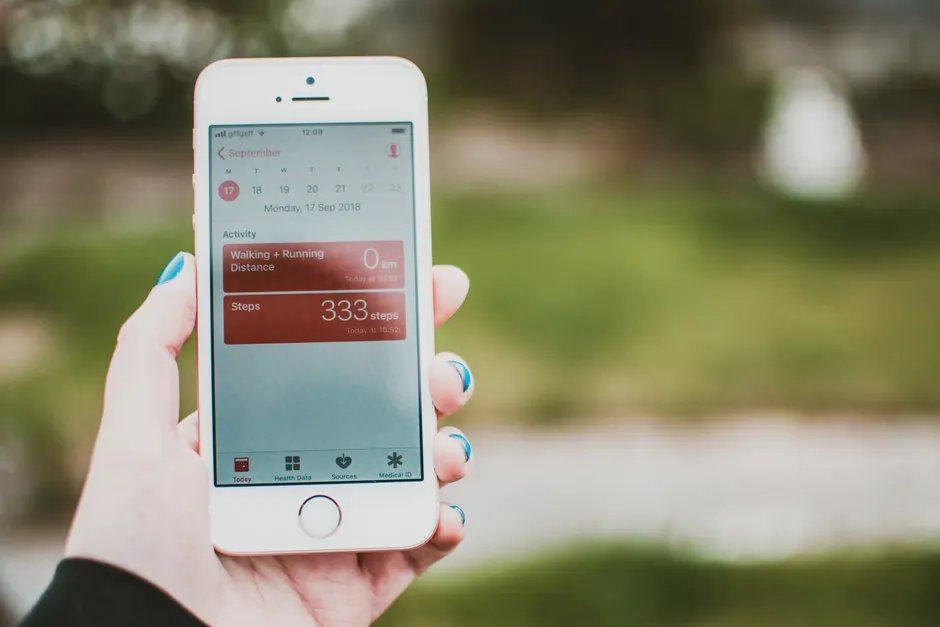
OpenAI is rolling out its ChatGPT Health feature to users in the United States aged 18 and older. It was previously in a testing phase that began in January in a separate portal. To use it, you select "Health" from the ChatGPT sidebar. From there, you can connect personal health data from Apple Health or from healthcare providers including Kaiser Permanente and One Medical, according to OpenAI and Engadget.
Once connected, ChatGPT Health can prompt you to review current conditions, medications, and family history of illness. The responses are framed as summaries and should not be considered a diagnosis or official treatment, per OpenAI. The feature is described as physician-informed, a label that dates to its January announcement.
The system keeps health data separate from the rest of ChatGPT in several ways. Health-specific memory stays within the Health feature and is separate from the main ChatGPT memory — like having a locked drawer inside a room that's already in your house, according to OpenAI's help documentation. Users can review and delete entries through a "View Health Memories" interface. The feature can also pull in memories saved in the user's main ChatGPT account, depending on account settings, as specified in OpenAI's Health Privacy Policy dated June 29.
On the privacy front, OpenAI states that medical information shared with ChatGPT Health is not used to train its AI models or target ads, regardless of other account settings. Users can configure the feature to ask for permission each time it wants to access health data, and can disconnect health information at any time, per OpenAI and Engadget.
The launch arrives against active litigation. OpenAI is being sued by a pastor who says that ChatGPT offered dangerous medical recommendations that led him to not seek treatment for a pulmonary embolism, Engadget reports. The case highlights a tension at the center of ChatGPT Health: the feature says it does not diagnose or treat, yet its main purpose is turning personal medical data into conversational guidance that a user might act on.
The broader context is that this tension is built into the product, not accidental. The feature asks users to share sensitive health records with a general-purpose AI, trust OpenAI's privacy commitments, and then decide how much to rely on responses that OpenAI itself calls non-diagnostic summaries. The permission controls — asking each time before accessing data, disconnection, and separate memory — give users real tools. Whether the average user will actually use those tools in a way that matches how sensitive the data is, though, is a separate question from whether the tools exist.
The privacy architecture deserves a closer look. OpenAI's commitment not to use health data for model training or ad targeting, regardless of other settings, is a stronger guarantee than what ChatGPT normally offers. Keeping health memory separate from main ChatGPT memory is a meaningful design choice, because it reduces the chances that sensitive medical details could leak into unrelated conversations. That said, the June 29 Health Privacy Policy notes that main-account memories can flow into the Health feature based on account settings, so the separation works more cleanly in one direction than the other.
The integration approach is also worth noting. Apple's HealthKit is a well-established system for consumer health data on iOS, and the connections to Kaiser Permanente and One Medical suggest OpenAI is pursuing direct links to healthcare systems rather than relying solely on patients manually exporting their own records. Manual export has been the bottleneck for most consumer health data efforts. Direct provider connections, if they scale, could change that picture meaningfully.
The litigation risk is real and worth flagging. A product that takes in a user's medication list, prompts them to review their conditions, and then produces conversational summaries is operating in territory where the line between "informational summary" and "medical advice" is thin and legally contested. The existing lawsuit predates the wide release of ChatGPT Health, but it establishes that courts will be asked to evaluate ChatGPT's medical outputs no matter how the feature frames its own scope. OpenAI's disclaimers may matter legally, but they are unlikely to be the final word.
For now, ChatGPT Health is live for US adults, with provider and Apple Health connections, separate memory, and privacy commitments that go beyond ChatGPT's defaults. Whether the feature earns user trust at the scale OpenAI is targeting will depend on whether those commitments hold up in practice and whether the summaries it produces are useful enough to justify sharing your health data. The feature is available today; the answers to those questions are not.


