Qobuz Updates Its Music App with Scrolling Lyrics and a Fresh Look
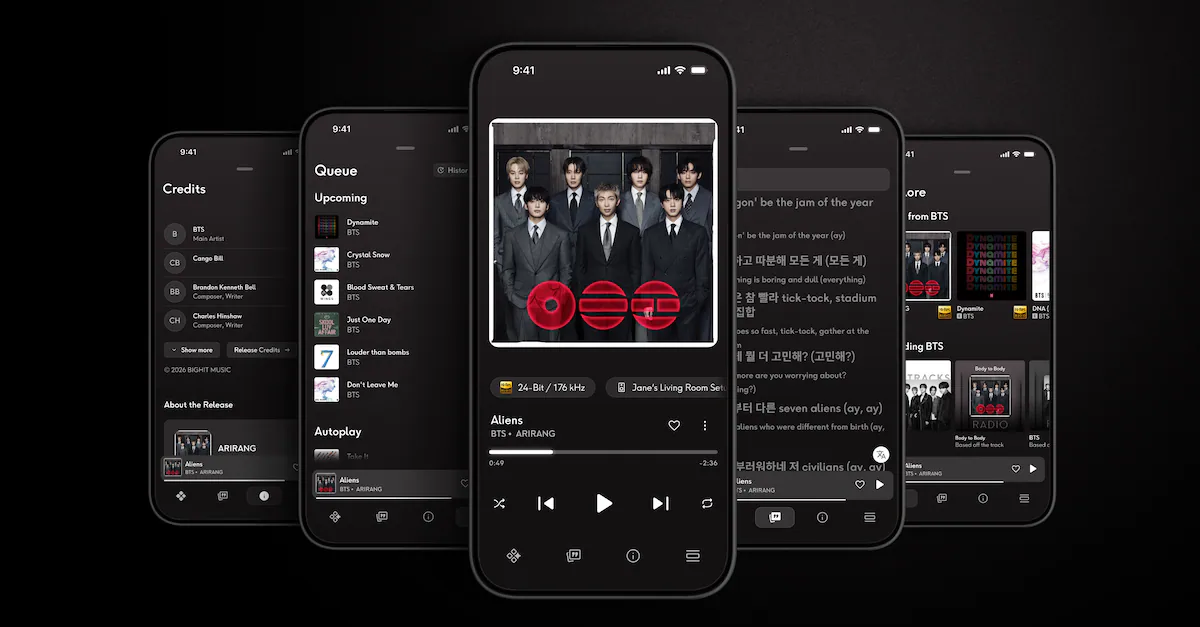
Qobuz has given its music streaming app a major redesign. The biggest addition is real-time lyrics that scroll line by line as a song plays, with translations available. The update, announced on July 23, 2026, also includes a new player screen, a small playback bar that stays visible while you browse, a larger play queue, a new Explore section, filtering by genre and record label, redesigned credits pages, and Siri voice control. Engadget
The new player screen changes its colors to match the album artwork of whatever you are listening to. A small playback bar, called a miniplayer, now stays on screen as you move around the app, so you can pause or skip without going back to the song screen. The play queue, which shows what songs are coming up next, has been given more control options, though Qobuz has not said exactly how those controls work.
The scrolling lyrics move in sync with the music and can show translations, a feature that several other streaming services already offer. What makes Qobuz's version different, at least on paper, is that it pairs the lyrics with high-quality audio and human-curated recommendations — meaning real people, not just software, pick and organize music. The company has pointed to both as reasons for its fast subscriber growth. Digital Music News
A new Explore section suggests similar albums, artists, radio stations, and playlists based on what you listen to. You can also now filter content by genre or record label. The credits section, which lists who produced and engineered a recording, has been redesigned to be easier to read, and you can now follow artists or labels directly from that page. For a service built around music knowledge, turning credits into a way to discover new music is a deliberate choice.
Siri integration lets you control playback with your voice, but only on Apple devices. All other updates work on both iOS and Android. Engadget
As of May 2026, Qobuz was called one of the fastest-growing music streaming platforms, with that growth partly driven by people leaving Spotify. The platform stands out by relying on human curation rather than automated recommendations. Digital Music News Subscriptions cost between $12 and $15 per month depending on the plan, with a free 30-day trial available. Qobuz says it pays artists $0.043 per stream and also lets users buy albums and songs directly through the app. Engadget
In practical terms, this update is as much about catching up to competitors as it is about adding new features. Scrolling lyrics, a always-visible miniplayer, and better discovery tools are things most streaming services already have. Qobuz has never struggled with sound quality — it has focused on high-resolution audio files — but its app has felt basic compared to rivals. Someone who switched from Spotify to Qobuz for better sound and fairer payments to artists has, until now, put up with a plainer app. This redesign closes that gap considerably.
The credits redesign is worth a closer look. Turning producer, engineer, and label credits into something you can browse and follow, rather than text hidden in a menu, is a bit like turning album liner notes into a way to find new music. For listeners who care about who made a record, following an engineer or a label from the credits page creates a path to discovery that automated recommendation systems don't copy well. Whether Qobuz's human-curation approach extends into these credit-based discovery features is something we will learn as people use them.
The Explore section does bring an automated element into a platform known for human editorial judgment. There is a useful tension here: Qobuz can offer both automated suggestions and hand-picked recommendations without giving up its editorial identity, as long as the automated side doesn't push out the human side. How that balance works in practice will matter more than the feature simply existing.
The $0.043 per-stream payout, combined with the option to buy music outright, makes Qobuz a service where you can still own your music alongside streaming it. In an industry where most people have moved from owning albums to renting access through subscriptions, keeping a purchase option is a differentiator on its own. The redesigned credits and label-following features support this by connecting listeners more directly to the people and businesses behind the music.
The bigger question for Qobuz is whether a better app turns trial users into long-term subscribers fast enough to keep its growth going. The features announced today bring the app closer to what larger competitors offer in design and ease of use, while keeping the audio quality and human curation that drew people in. For a platform whose growth has come from Spotify users looking for something different, the redesign works only if it can feel familiar without losing what made it stand apart.