The Founder of Self-Driving Car Company Mobileye Is Stepping Down
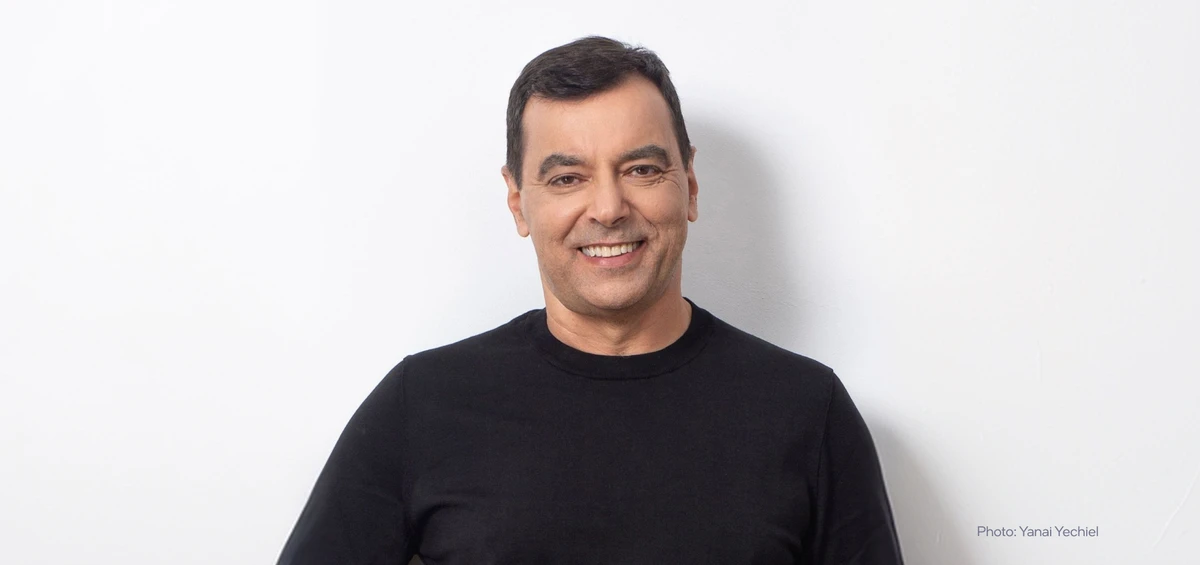
Amnon Shashua, the founder and CEO of Mobileye, has told the company's board that he plans to step down from his leadership role after 27 years. Mobileye is an Israeli company that makes technology to help cars drive themselves (Mobileye). The news was disclosed in a government regulatory filing on July 23, 2026 (TechCrunch).
Shashua will stay on as CEO until the company finds a replacement. He will also remain on the board of directors and has been offered the chairman position (StockTitan). The company has not said who might take over or how long the search will take.
Mobileye shares fell 15% in early trading on July 23, 2026, after the announcement (Reuters).
Shashua started Mobileye based on his research in computer vision, a type of artificial intelligence that teaches computers to understand what they see through cameras. The company first built chips that power safety features in cars, like automatic braking and lane-keeping alerts. Mobileye grew into a major supplier selling parts directly to car manufacturers, and eventually had the largest initial public offering (IPO) in Israel's history, meaning it raised more money from investors than any Israeli company had before (TechCrunch). Intel bought Mobileye in 2017 for $15.3 billion and then made it a publicly traded company again in 2022, keeping its position as the largest shareholder (TechCrunch).
Under Shashua, Mobileye expanded beyond safety features into full self-driving systems. The company now sells its self-driving technology to Volkswagen and its MOIA ride-sharing subsidiary (TechCrunch). In June 2026, Mobileye said it would launch its own robotaxi service, a fleet of driverless cars that give paid rides, in a U.S. city in 2027 (TechCrunch).
Mobileye has also moved into robotics. In January 2026, the company bought Mentee Robotics, a startup focused on humanoid robots, for $900 million. Mentee was also founded by Shashua (TechCrunch). Shashua called this acquisition part of "Mobileye 3.0," his name for the company's next phase focused on robotics and automotive AI (TechCrunch).
The transition comes at a demanding moment for Mobileye. The company is preparing to launch a robotaxi service, absorbing a robotics business it paid nearly a billion dollars for, and competing against well-funded rivals in self-driving technology. Whoever replaces Shashua will oversee a wide range of projects, from car safety chips to full self-driving systems to driverless taxi services to humanoid robots.
The 15% drop in the share price suggests investors are worried about whether the company can deliver on all of these plans without its founder in charge. When a company built around one person's vision loses that leader, the transition is rarely smooth: the founder's knowledge, technical expertise, and relationships with car companies are hard to hand off. Shashua staying on as chairman, if he accepts the offer, would help maintain some continuity. But the question of who runs Mobileye day-to-day through this ambitious expansion is still unanswered.
Shashua had been scheduled to give Mobileye's annual press presentation at CES, a major technology trade show, on January 6, 2026, at 1:45 p.m. (Mobileye IR). That means he was still acting as the company's public-facing leader just seven months before announcing his plan to step down.
In my view, the "Mobileye 3.0" label suggests Shashua sees the company's move into robotics and self-driving taxis as a new chapter that may need different leadership than the one that built the original business. Whether that approach works will depend on things Mobileye has not yet shared: who the next CEO is, how soon they take over, and whether the robotaxi and robotics projects stay on track under new management.


