Robinhood Wants In on Prediction Markets. Here's Why It Matters.
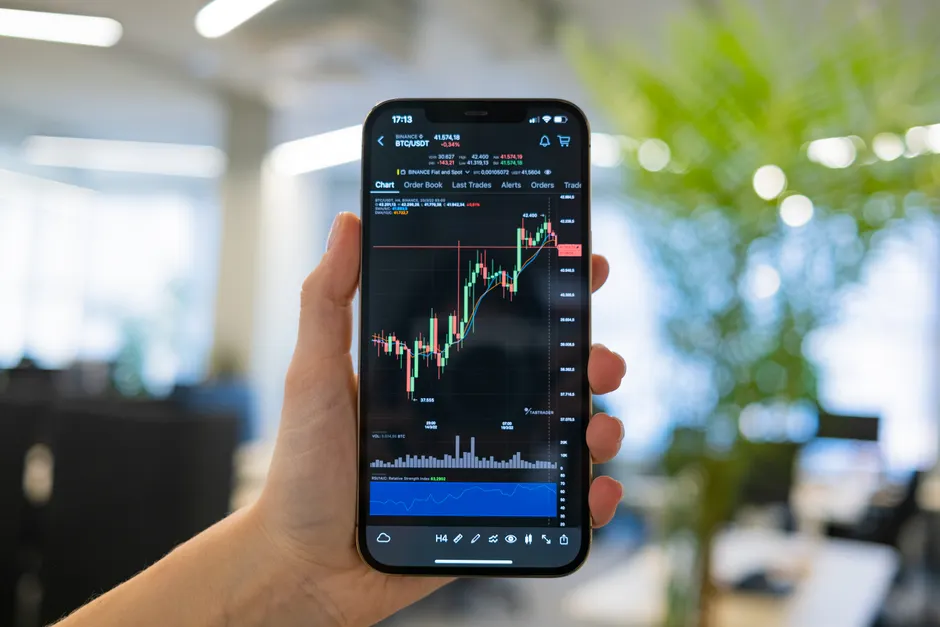
Robinhood is in talks with Crypto.com to grow its prediction markets business, a move that could put the popular investing app in more direct competition with Kalshi, the leading prediction-market platform. The discussions were reported July 24. WSJ
Prediction markets let people bet money on the outcome of real-world events. Will a certain candidate win an election? Will inflation come in above or below a certain number? You buy a contract that pays out if you're right. Robinhood already offers these. Kalshi is the company that has dominated the category so far.
A Bernstein analyst projected in July 2026 that the quarter ending June 2026 could be the first in which Robinhood's prediction markets revenue surpasses its crypto revenue. Bloomberg That projection tells you why the Crypto.com talks matter. Prediction markets are no longer a side product for Robinhood. They are becoming a revenue line that could overtake a business segment the company has poured money into.
Robinhood has been building toward this for a while. In September 2025, the company was exploring launching prediction markets outside the United States, signaling international ambition beyond its domestic rollout. Bloomberg The following month, a Robinhood executive said the company is open to deals to grow its prediction markets business. Reuters The Crypto.com talks follow that publicly stated willingness to pursue partnerships or acquisitions rather than building everything from scratch.
The competitive target is Kalshi, which runs a prediction-market exchange regulated by the CFTC. The CFTC is the U.S. government agency that oversees derivatives, which are financial contracts whose value depends on something else happening. WSJ Kalshi's profile has risen as more everyday users have started betting on event outcomes, from political races to economic data.
The stakes are about more than which company wins customers. Prediction markets sit in a regulatory gray zone. They blur the line between gambling, investing, and financial contracts, and regulators are still figuring out how to handle them. Kalshi operates under formal government oversight. Robinhood's prediction markets product runs inside its existing brokerage. A deal with Crypto.com, which is a cryptocurrency exchange, would add a crypto-focused distribution channel to the mix. How regulators would view a single relationship combining a stock brokerage, a crypto exchange, and prediction markets is an open question the talks will eventually have to answer if they move forward.
The broader context here is revenue diversification. Robinhood's business has historically depended on stock and options trading, with crypto providing a secondary stream that swings up and down with Bitcoin's price. Prediction markets growing large enough to rival crypto revenue tells you two things: event-contract volume is rising fast, and crypto trading fees are shrinking as more exchanges compete and the business becomes commoditized. The Bernstein projection is a signal about how quickly prediction markets are growing, not a forecast that they will permanently dominate. Crypto revenue rises and falls with the price of digital assets. Prediction markets revenue rises and falls with the cycle of events people want to bet on. Whether one stays ahead of the other depends on whether both can keep attracting enough volume.
The talks with Crypto.com are at an early stage and may not result in a deal. What is clear from Robinhood's own statements and analyst projections is that the company treats prediction markets as a strategic priority, not an experiment. The willingness to partner with a crypto exchange suggests Robinhood is weighing how fast it can enter the market against the cost and complexity of building the infrastructure itself.