Vietnam Wants to Stop Kids Under 16 From Posting on Social Media

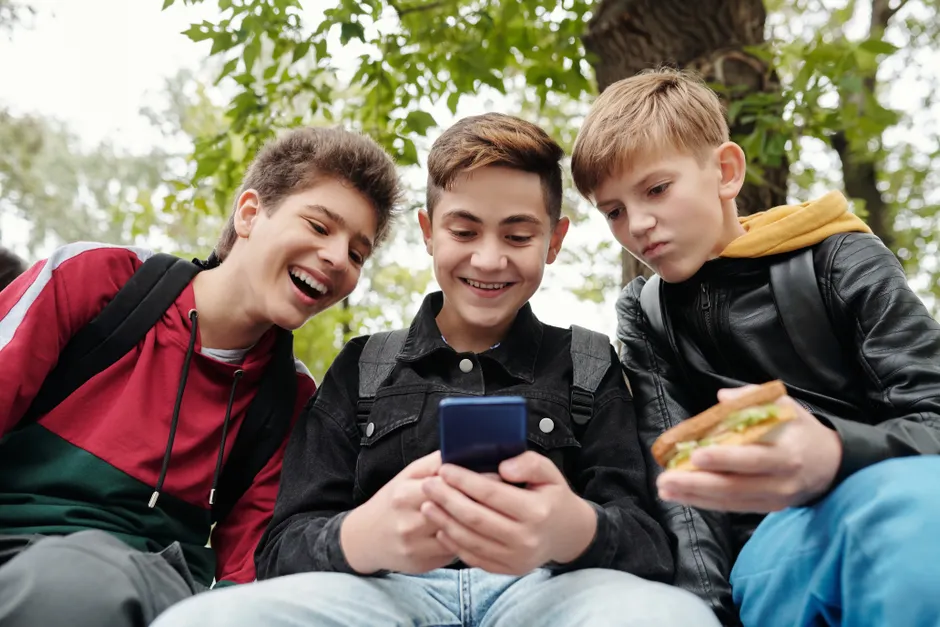
Vietnam's government has proposed a new rule that would stop children under 16 from posting, commenting, or reacting to anything on social media. Kids would still be allowed to have accounts and look at content, but they could not interact with it. TechCrunch reported the proposal on July 24, 2026, attributing the initial disclosure to Reuters.
Under the draft rule, children under 16 would not be allowed to sign up for social media accounts using their own information, according to Tuoi Tre. Instead, a parent or guardian would need to register the account in their own name and take responsibility for monitoring what the child sees and how much time they spend on the platform. Social media companies operating in Vietnam would have to build tools to identify child users and limit them to age-appropriate content. TechCrunch
Deputy Culture Minister Phan Tam said the goal is to make sure children are in an age-appropriate environment on social media, not to ban or excessively restrict access. The decree has not been finalized and could change before it becomes law. TechCrunch
Vietnam is also considering separate rules for video games that would require the same parental registration, plus a 60-minute daily play limit for users under 16. TechCrunch
This is not Vietnam's first attempt to regulate children's online activity. In October 2023, VNExpress reported that Vietnamese authorities had proposed banning children under 13 from using TikTok, along with suggested screen time limits. The current proposal goes further: it covers all social media, not just one platform, and it raises the age cutoff from 13 to 16.
Vietnam's proposal follows a major shift in the global regulatory landscape. In December 2025, Australia became the first country to put a social media ban for children under 16 into effect. TechCrunch Both countries use the same age cutoff of 16, but their approaches work differently. Australia's rule blocks children under 16 from using social media at all, requiring platforms to prevent underage accounts from being created. Vietnam's draft takes a different path: children could still have accounts and view content, but they would not be able to post, comment, or react. Think of it like watching television rather than participating in a conversation.
That difference is important for the companies running these platforms. Australia's ban puts the burden at the front door: the platform just has to verify a user's age and block anyone who is too young. Vietnam's approach is more complex. The platform would have to allow a child to log in and look at content, but then prevent that same child from taking any interactive action, every single time they use the app. That means building a system that constantly checks who the user is and what they are allowed to do, not just checking once at sign-up.
The parental registration requirement adds another layer of complexity. Platforms would need to link a child's account to a parent's account and give the parent tools to see what the child is viewing and how long they are spending on the platform. Some Western platforms already offer family-linking features, but requiring them by law, with the parent legally responsible for monitoring, is very different from offering them as an optional feature.
Vietnam's online population exceeds 78 million, and platforms like TikTok, Facebook, and Zalo are heavily used every day. If the decree is adopted, these companies would need to build new systems specifically for Vietnam to handle age checks, block interactions for minors, and link child accounts to parents. The rules for gaming platforms would also differ from those for social media, even though both would require parental registration.
The proposal is still a draft, and it could change. Deputy Minister Tam's emphasis on creating an age-appropriate environment rather than a ban, along with his acknowledgment that revisions are possible, suggests the final version could end up anywhere between the current interaction-blocking model and something closer to Australia's stricter approach. For technology companies operating in Southeast Asia, the broader direction is clear: governments in the region are moving toward stronger protections for minors online, and the open question is just how strict the final rules will be.
In my view, Vietnam's approach is more technically interesting than Australia's blanket ban. A ban is simple: check age at the door and turn away anyone who is too young. Letting kids keep their accounts while removing their ability to interact creates a system where different users get different levels of access on the same platform. That is something major platforms have not built at a large scale, because no big market has required it. If Vietnam goes ahead with this and other countries follow, the engineering work would be substantial, and it would set a new precedent for age-based platform rules that goes beyond what any country has done so far.