A Lettuce Outbreak, a Recalled Test Result, and a Call to the White House
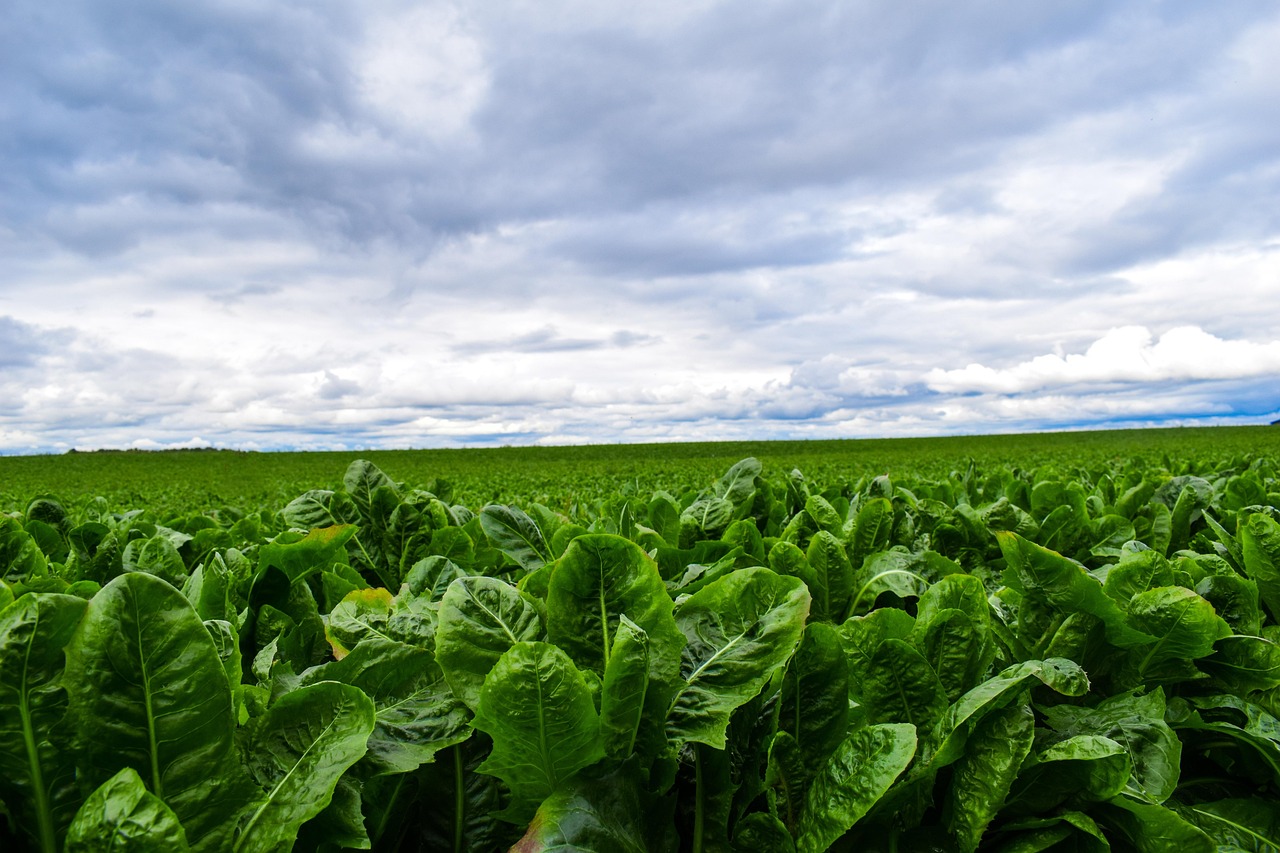
Taylor Farms, one of the biggest suppliers of fresh-cut produce in North America, called the Trump White House to try to delay a recall announcement tied to a major food poisoning outbreak, according to a Wall Street Journal report published July 25, 2026 (WSJ). The outbreak was linked to iceberg lettuce from the company's Mexican subsidiary, Taylor Farms de Mexico, based in Guanajuato. The illness, called cyclosporiasis, is caused by a tiny parasite that contaminates food or water and leads to stomach pain, diarrhea, and other digestive symptoms.
The outbreak has grown substantially since the CDC first flagged it. As of the CDC's July 24 media release, the case count had reached 1,947 across an expanded set of states (CDC). The CDC expanded its investigation to four additional states that same day, bringing the outbreak to at least nine states (FDA). These figures build on a broader cyclosporiasis season: since May 1, 2026, the CDC had received reports of 1,645 confirmed domestic cases, and was aware of more than 5,100 total cases as of July 2026 (CDC HAN).
Taylor Farms de Mexico announced a voluntary removal of its central Mexico-sourced iceberg lettuce on July 17, 2026 (FDA). The recall, listed under the corporate name Taylor Fresh Foods, covered product shipped to 27 states (AP). The recalled lettuce was sold at retail stores and served in food service settings (CDC). CDC investigators traced the contaminated lettuce back through the supply chain to Taylor Farms de Mexico, identifying it as the source (CDC). Taco Bell lettuce sourced from Taylor Farms was among the food service channels linked to the illness (WSJ).
Taylor Farms stated on its recall page that the company stopped receiving product from the implicated lot and suspended distribution of the affected items (Taylor Farms.
The FDA's laboratory findings shifted during the investigation. The agency initially reported that a sample of lettuce from Taylor Farms tested positive for cyclospora. On July 21, the FDA reversed that finding, saying its review showed the result was a false positive — meaning the test indicated contamination when none was actually present (WSJ). The Guardian had reported on July 20 that the FDA characterized the original test result as a false positive (The Guardian). Despite the retraction, the recall remains in place (WSJ).
In a statement published July 24, Taylor Farms said that according to the FDA, there were no confirmed positive sample results for cyclospora in product testing as of that date (Taylor Farms). The CDC, however, continues to link the outbreak to iceberg lettuce from Taylor Farms de Mexico based on other kinds of evidence — patterns of illness among people who ate the same food, and tracing the lettuce supply chain back to its source. This type of evidence does not depend on finding the parasite in a lab sample of the product itself.
Three things happened at once here: a food poisoning outbreak affecting nearly 2,000 people across at least nine states, a government lab reversing a key test result mid-investigation, and a major food supplier calling the White House to delay a public recall. Each is significant on its own. Together, they raise questions about how food safety information is shared with the public when the science is still developing, and when a company brings commercial pressure to the political side of government rather than to the regulators who oversee food safety.
The FDA's false positive retraction should, on paper, have narrowed the investigation. It did not. The CDC's own evidence pointed to the same product, and the recall stayed in place. Outbreak investigations work more like building a case in court than running a single pass-or-fail test. Investigators combine illness patterns, supply chain records, and lab results. When one piece of evidence falls through, the rest can still hold up.
In my view, the most striking detail is that Taylor Farms directed its request to the White House rather than to the FDA. Food recalls in the United States are normally voluntary actions handled through FDA channels, and the system does not give political offices authority over recall timing. The Journal report does not say what came of the call, but the act itself puts a food safety process under pressure from the executive branch, which sits outside the FDA's scientific and enforcement work.
For anyone who works in food safety or supply chains, this captures a familiar tension. The cost of a recall — destroying products, pulling them from stores in 27 states, and taking a hit to the brand — is immediate and easy to measure. The cost of delay — more people getting sick — is spread out and harder to pin on any single decision. The system is built to put public health first. Whether it still does that when political pressure enters the picture is the question this episode leaves open.