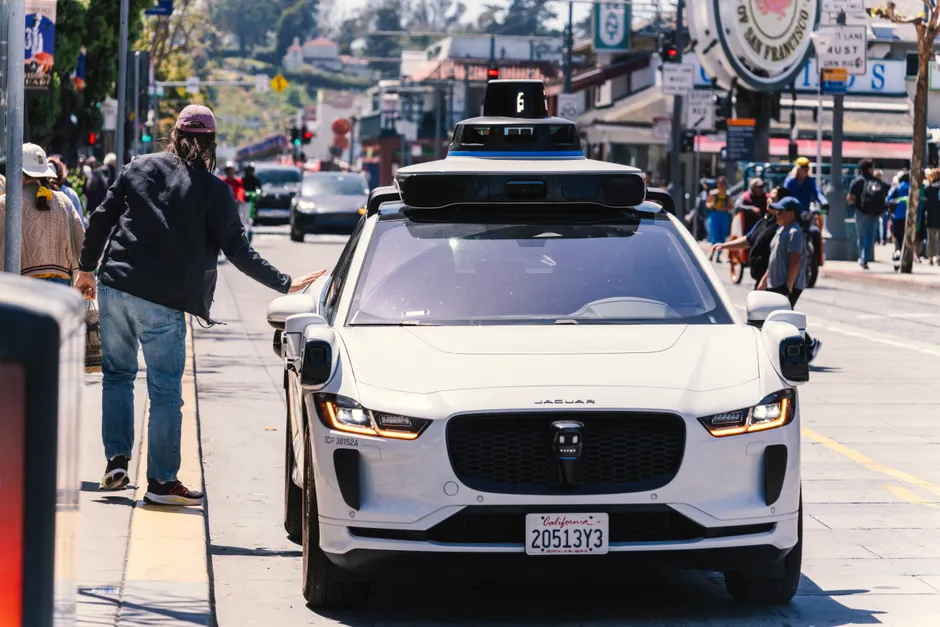
Waymo Wants to Stop Using Uber's App for Its Self-Driving Taxis. Here's What's Going On.

Waymo, the self-driving taxi company owned by Google's parent company, has told Uber it plans to start offering rides through its own app in Austin, Texas, and Atlanta, Georgia, starting in January 2028, according to what Uber told TechCrunch. The Financial Times first reported Waymo's plans to wind down the partnership, which TechCrunch cited on July 24, 2026. CNBC reported the same day that the two companies will end their exclusivity arrangement in those markets in early 2028.
Right now, if you want to ride in a Waymo self-driving taxi in Austin or Atlanta, you request one through the Uber app. That arrangement is set to end. The contract between the two companies runs through May 2028, per Uber's account to TechCrunch. Waymo vehicles will stay on Uber's platform through at least that point, Transport Topics reported. Waymo did not immediately respond to TechCrunch's request for comment.
Austin and Atlanta are the last two cities where Waymo and Uber still have this partnership. The arrangement in Phoenix, Arizona, ended earlier in 2026, with TechCrunch first reporting that split on June 29, 2026. The partnership had been growing before that: in September 2024, Waymo published a blog post announcing it would bring self-driving rides to Atlanta through Uber, with public riders expected starting in early 2025.
The relationship between the two companies has shown visible strain. In May 2026, Uber CEO Dara Khosrowshahi criticized self-driving taxi behavior in school zones and emergency situations during an Uber earnings call, without naming Waymo. Earlier in 2026, Uber CTO Praveen Neppalli posted a video on X criticizing what he described as unsafe behavior by a Waymo taxi. The two companies have also been on opposite sides of disagreements over how self-driving taxis should be regulated.
Waymo has been building partnerships that do not involve Uber. The company announced a fleet partnership with Moove in December 2024 to support its Miami operations, with plans to open to riders in 2026. In April 2025, Waymo and Toyota reached a preliminary agreement to explore working together on self-driving technology. Neither of those moves involves Uber.
This is a pattern we have seen before in the self-driving car industry. A company that builds the technology partners with a company that already has customers and local operations, to share the risk of entering a new market. The partnership works until one company grows enough to go it alone. Waymo's own app already operates in Phoenix and San Francisco. Taking Austin and Atlanta in-house would mean customers deal directly with Waymo, not Uber. For Uber, losing exclusive access to Waymo's vehicles means fewer self-driving rides available on its app, at least until it finds other partners.
The friction on safety and regulation adds a layer beyond business disagreements. When a partner's CTO publicly posts video criticizing your vehicles, and the CEO raises concerns about your taxis near schools during an earnings call, the relationship has moved past normal business tension. And if Waymo and Uber are actively lobbying for opposing rules on self-driving cars, the partnership rests on shaky political ground.
The timing gap is worth noting. Waymo has signaled January 2028 for direct operations while the contract runs through May 2028. That five-month gap suggests Waymo is not breaking the contract but planning to transition near its natural end. Whether Uber sees that as good-faith planning or an attempt to pull riders and data away before the contract expires is the kind of question that typically ends up in court, not in press statements.
The broader context is that Waymo's deals with companies like Moove and Toyota suggest a company carefully building everything it needs to run its own service in multiple cities, with or without Uber. The Uber partnership may have served its purpose: helping Waymo get into Austin and Atlanta quickly by using Uber's existing customers and operations, then stepping aside once Waymo could run things on its own. That is a common playbook in the technology world, and it does not require bad blood to explain, even if bad blood appears to be present here.