The EU Fined Google $1 Billion, and Trump Threatened to Tax European Goods in Response

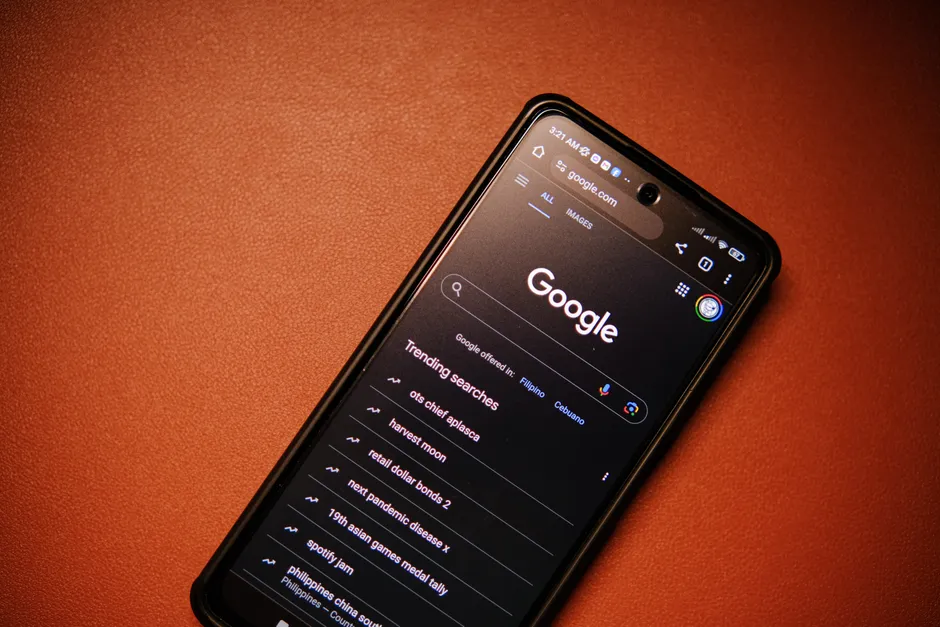
The European Commission — the part of the EU that enforces rules for businesses — fined Google about €890 million ($1 billion) on July 23, 2026. The reason: Google's search and app store services broke EU laws meant to keep competition fair. Within hours, that decision collided with an already-heating-up trade fight between the United States and Europe.
On the exact same day, the Trump administration put new tariffs — which are basically taxes on goods imported from other countries — on more than 80 nations, including the EU, which faced a 10% tariff. The administration said the tariffs targeted what Trump claimed were unfair labor practices abroad. Then, on July 24, Trump used his Truth Social platform to threaten the EU with additional "substantial" tariffs and announced the US would "immediately" launch an investigation into how the EU treats American companies.
"The United States of America is not a PIGGYBANK for Europe, nor will we allow it to be!" Trump wrote. He accused Brussels of taking "direct aim" at Apple, Meta Platforms, Amazon, and Google, and said the EU would "pay a very big price." He characterized the Google fine as "illegal" Reuters.
Google spokesperson Jose Castaneda welcomed Trump's intervention on July 24, saying the company appreciated the engagement by the administration and the broader US government. The European Commission did not immediately comment on Trump's tariff threat The Guardian.
This clash did not come out of nowhere. The EU previously fined Apple and Meta for breaking fair competition rules in April 2025 under a law called the Digital Markets Act, which is designed to stop big tech companies from having too much control over digital markets. That move established a pattern of EU enforcement against US tech giants that has drawn ongoing political criticism from Washington. Two days before the Google fine, on July 21, US lawmakers urged Trump to act against EU tech rules and suggested trade probes, signaling that pressure was already building.
The sequence matters. Lawmakers called for trade probes on July 21. The EU fined Google on July 23. The administration imposed its 80-country tariff round that same day. Trump escalated with a targeted threat against the EU on July 24. Each step squeezed the timeline between regulatory action in Brussels and retaliation from Washington, leaving almost no room for diplomacy between blows.
The broader context here is that two different kinds of policy are being mixed together: competition law (rules that keep markets fair) and trade policy (rules about tariffs and imports). The EU sees its fines as the result of a legal process. Trump is treating those same fines as a trade offense that deserves tariff retaliation. It's a bit like a referee calling a foul in a soccer match, and the penalized team's coach responding not by arguing the call, but by threatening to stop buying tickets to the other team's stadium.
For the companies caught in the middle, the situation plays out differently depending on the firm. Google's public embrace of Trump's intervention suggests that at least some of the targeted companies see political support in Washington as a way to push back against pressure from Brussels. Whether that support actually results in relief from EU enforcement is an open question, since EU competition decisions are based on treaty law and handled through European courts, not through trade negotiations between governments.
The investigation Trump announced has no publicly defined scope or timeline beyond his Truth Social post. The EU has offered no immediate response. With a 10% tariff already in place on EU goods and the threat of "substantial" additional tariffs now on the table, the question is whether Brussels will adjust its approach under external pressure or hold its ground and accept whatever economic consequences follow.
Both options carry costs. Backing down would weaken the EU's credibility as a regulator and make its competition rules look unenforceable. Standing firm could lead to more tariffs that ripple through supply chains on both sides of the Atlantic. The US and Europe have been through trade disputes before, but linking competition fines directly to tariff threats creates something new: every future EU enforcement action could now trigger a trade response from Washington.