A Husband Got His UK Visa. His Wife, Applying the Same Way, Did Not.
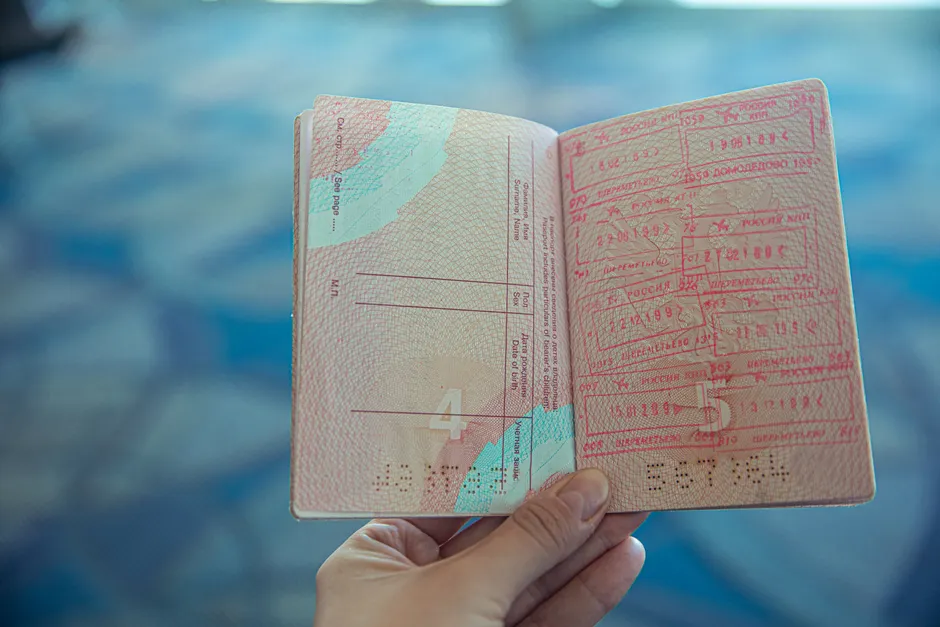
The UK Home Office has rejected a visitor visa application from Therese Abdallah, a 69-year-old retired English teacher from East Jerusalem, while approving an identical application from her husband Ghassan through the same process. The split decision, reported by The Guardian on July 25, 2026, has left the couple unable to travel together to visit their son in London and attend a family wedding in Ireland.
The Abdallahs, married for 40 years, applied for UK visitor visas to travel to London and onward to an Irish wedding. Their son Karim has lived legally in the UK since 2019, works, pays taxes, and has no access to public benefits, according to his own account. Karim said both parents applied using the same invitation letter from him and his partner and provided identical supporting evidence.
Ghassan Abdallah, a psychologist, was granted his visa. Therese was not. The Home Office rejection letter stated: "I note that your UK ties out weight your home country ties." The same official wrote: "I am not satisfied on the balance of probabilities that you are a genuine visitor." She was informed she had no right to appeal or to seek administrative review of the decision.
The rejection turns on how the Home Office weighed Therese Abdallah's ties to the UK against her ties to her "home country." She has one immediate family member in the UK: Karim. She has another son who is an oncologist living in East Jerusalem with his wife and children. She was born in East Jerusalem and has lived there her entire life.
Palestinian Jerusalemites are not Israeli citizens. Instead, they hold travel documents issued by both Israel and Jordan — a status that makes visa processing more complicated and gives individual caseworkers more room to make judgment calls. Think of it like carrying two different passports from countries that are not fully your own: which one you use can change how officials handle your case.
Therese Abdallah needed separate visas for the London leg of the trip and for entry to Ireland. She applied for one using her Israeli travel document and the other using her Jordanian travel document. Both spouses had previously traveled to the UK for academic visits without visa problems. However, Therese had a UK visa application refused in 2019 over a technical issue involving a bank statement submitted in Hebrew. The Home Office's consideration of that prior refusal likely factored into the "genuine visitor" assessment, though the rejection letter's primary reasoning centered on the perceived weight of her UK ties.
A particular wrinkle in the case is the residency dimension. Palestinian residents of East Jerusalem risk losing their residency status if they remain outside the city for an extended period. This means Therese Abdallah cannot indefinitely prolong a stay in the UK even if she wished to, a structural constraint that would, on its face, support a finding that she intends to return. The Home Office letter does not appear to have engaged with this factor.
The planned itinerary was modest: a family wedding in Ireland and a visit to Kew Gardens near where Karim lives in London. Both parents submitted the same invitation and the same supporting documents. One was approved. One was not.
A Home Office spokesperson said: "We do not routinely comment on individual cases. All visa applications are assessed on their individual merits and the evidence provided, including any declarations relating to previous visa refusals."
The broader context here involves the structural vulnerability of Palestinian Jerusalemites within international visa systems. Their unusual documentary status means that routine visa decisions can turn on factors that have little to do with the applicant's intentions. A prior refusal for a paperwork issue, a caseworker's weighting of family ties, and the absence of an appeal route for visitor visa refusals combine to create a process in which outcomes can diverge sharply even between spouses filing identical applications. The Home Office's standard line that each application is assessed on its individual merits is technically accurate, but it does not explain why two applications with materially identical supporting evidence, from a married couple traveling together, produced opposite results.
What remains unresolved is whether Therese Abdallah has any practical pathway to reconsideration. Visitor visa refusals in the UK carry no right of appeal and no administrative review — meaning there is no way to ask another official to simply take another look. The only option is judicial review, a court process that checks whether the decision was made legally, not whether it was fair. It is expensive, slow, and narrow in scope. For a 69-year-old retired teacher seeking to attend a family wedding, that is effectively no recourse at all.


